
Green Tea vs Black Tea: Key Differences In Taste, Caffeine And Potential Health Benefits

Green tea and black tea come from the leaves of the same plant, Camellia sinensis, yet they taste and look remarkably different. The main reason is how the leaves are processed after harvesting.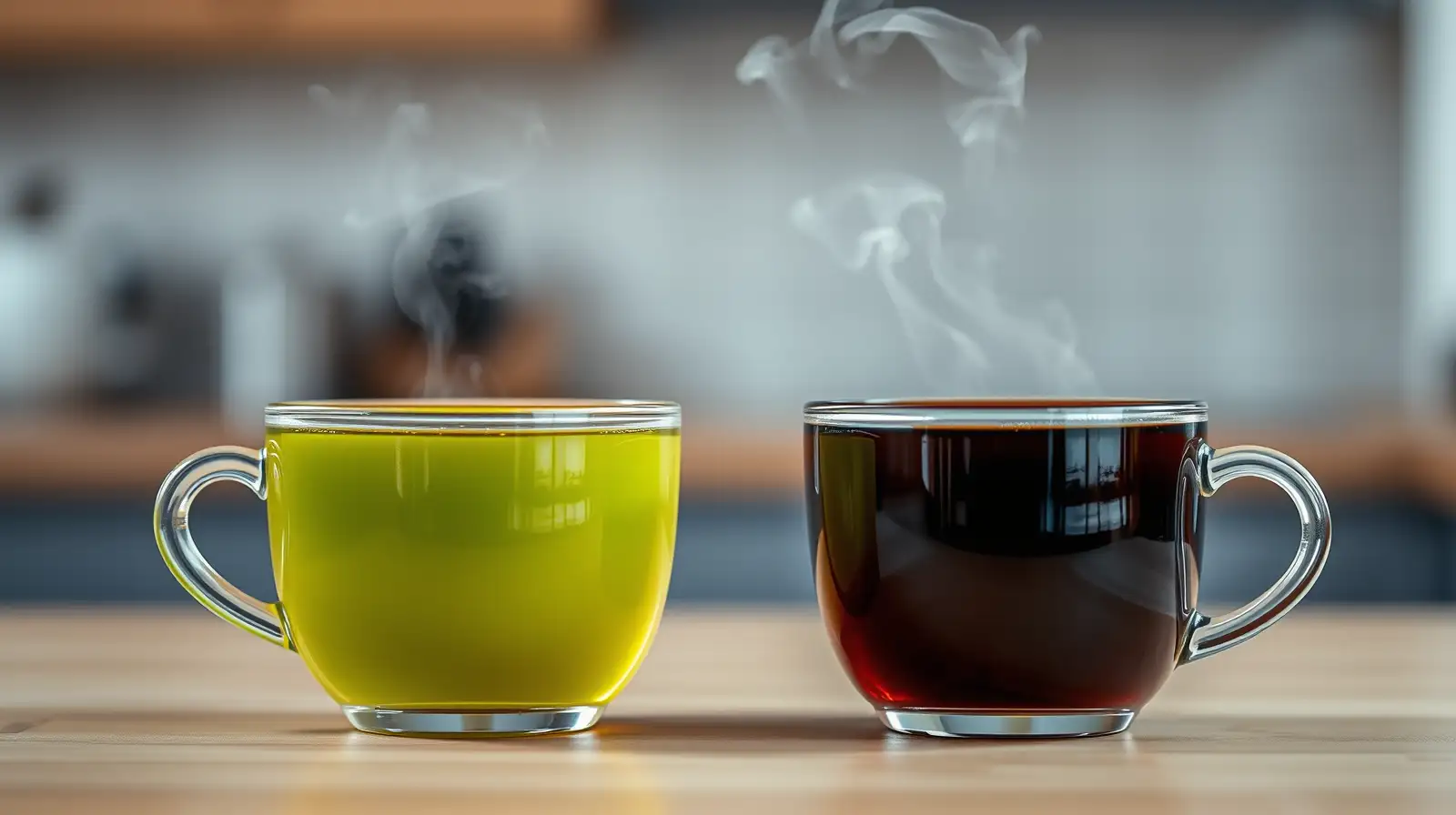
Green tea is generally heated soon after picking to limit oxidation, helping it retain a lighter colour and fresher flavour. Black tea is allowed to oxidise more extensively, creating its darker appearance and stronger taste. Both can fit into a balanced diet, although neither should be treated as a cure for health conditions.
This difference affects flavour as well as the tea's chemical composition. Green tea often has a fresh, grassy or mildly vegetal character, while black tea tends to taste fuller, maltier or more robust. The exact flavour varies with the tea variety, growing conditions and processing method.
In many cases, a cup of black tea may contain more caffeine than green tea, but there is considerable overlap. According to nutrition experts, people who are sensitive to caffeine should pay attention to portion size and brewing strength rather than relying only on the tea's name.
Both varieties also contain L-theanine, an amino acid naturally present in tea, along with other plant compounds.
Research has investigated both types in relation to cardiovascular health and other aspects of wellbeing, but according to experts, drinking tea should complement an overall healthy lifestyle rather than replace a balanced diet or medical treatment.
Adding large amounts of sugar can also change the nutritional picture. If you drink tea regularly, using little or no added sugar can be a practical choice.
Ultimately, the better option is the one you enjoy and can comfortably include in your daily routine. Pay attention to caffeine intake, added sugar and portion size, rather than choosing a tea solely because of its perceived health benefits.
Green tea is generally heated soon after picking to limit oxidation, helping it retain a lighter colour and fresher flavour. Black tea is allowed to oxidise more extensively, creating its darker appearance and stronger taste. Both can fit into a balanced diet, although neither should be treated as a cure for health conditions.
How green tea and black tea differ
The biggest distinction between green tea and black tea is oxidation. Green tea is processed to minimise oxidation, while black tea undergoes substantial oxidation before drying and finishing.This difference affects flavour as well as the tea's chemical composition. Green tea often has a fresh, grassy or mildly vegetal character, while black tea tends to taste fuller, maltier or more robust. The exact flavour varies with the tea variety, growing conditions and processing method.
Which has more caffeine?
Caffeine content is not fixed for either type. It can vary depending on the tea leaves, serving size, brewing temperature and steeping time.In many cases, a cup of black tea may contain more caffeine than green tea, but there is considerable overlap. According to nutrition experts, people who are sensitive to caffeine should pay attention to portion size and brewing strength rather than relying only on the tea's name.
Both varieties also contain L-theanine, an amino acid naturally present in tea, along with other plant compounds.
Green tea vs black tea for health
Both teas contain polyphenols, including compounds that have been studied for their antioxidant properties. Green tea is particularly known for catechins, while black tea contains different polyphenols formed during oxidation.Research has investigated both types in relation to cardiovascular health and other aspects of wellbeing, but according to experts, drinking tea should complement an overall healthy lifestyle rather than replace a balanced diet or medical treatment.
Adding large amounts of sugar can also change the nutritional picture. If you drink tea regularly, using little or no added sugar can be a practical choice.
Which tea should you choose?
There is no clear winner between green tea and black tea. Green tea may suit people who prefer a lighter, fresher flavour, while black tea is often preferred for its stronger taste and traditional use with milk.Ultimately, the better option is the one you enjoy and can comfortably include in your daily routine. Pay attention to caffeine intake, added sugar and portion size, rather than choosing a tea solely because of its perceived health benefits.
Next Story