
Want to Grow Cape Gooseberries at Home? Follow These Easy Container Gardening Tips

Cape gooseberries, also known as golden berries or rasbhari, are small golden-orange fruits enclosed in delicate, papery husks. Their sweet and slightly tangy flavour makes them popular for fresh eating, desserts and homemade preserves. The good news is that you do not need a large garden to grow this fruit. Cape gooseberry plants can thrive in suitable containers on balconies, terraces and sunny patios. With the right pot, well-draining soil, adequate sunlight and regular care, you can grow a productive plant at home. Here is a simple guide to getting started.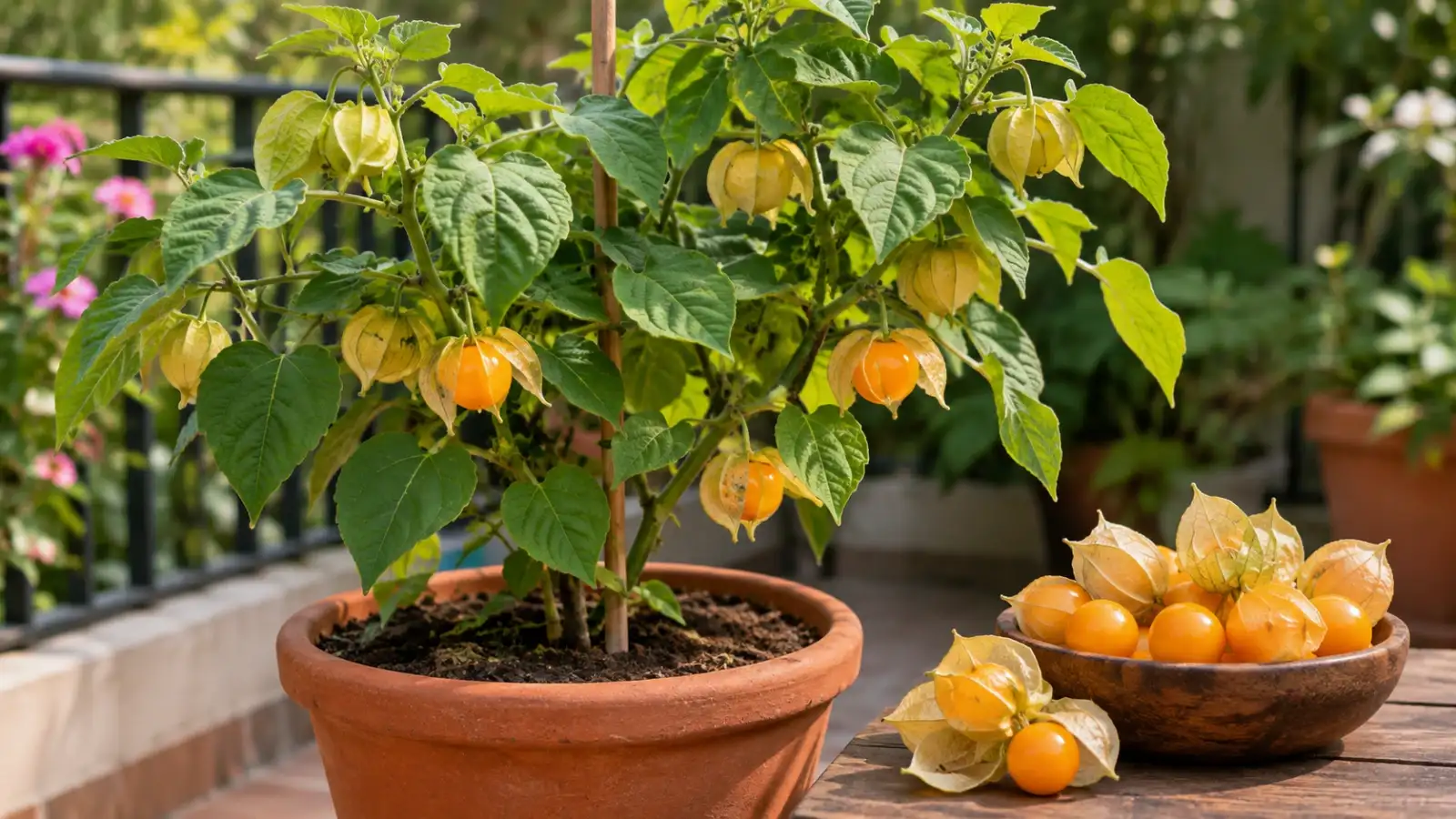
1. Choose a Suitable Container
Start with a spacious pot that can accommodate the plant's developing root system. A container with a capacity of around 15 to 20 litres and a depth of at least 30 centimetres is a practical starting point.
Choose a pot with drainage holes at the bottom to prevent water from collecting around the roots. Terracotta, plastic and fabric grow bags can all work, provided they are sturdy enough to support the growing plant.
2. Select Good-Quality Seeds or Seedlings
You can grow cape gooseberries from seeds collected from ripe fruits or purchase seeds from a reliable gardening supplier. Choose healthy, fully ripe fruits if you are collecting seeds yourself.
Remove the seeds from the fruit, rinse away the pulp and allow them to dry before sowing. You can also purchase a young seedling from a nursery if you want to save time. Healthy seedlings should have green leaves and strong stems without visible signs of pests or disease.
3. Prepare a Well-Draining Potting Mix
Cape gooseberry plants prefer fertile, well-draining soil. A simple potting mix can be prepared using:
Avoid using heavy soil that becomes compacted after watering, as it can restrict root growth.
4. Sow the Seeds Correctly
Fill a small seed tray or nursery pot with a light seed-starting mix. Scatter the seeds over the surface and cover them with a very thin layer of soil.
Water gently using a spray bottle so the seeds are not displaced. Keep the growing medium lightly moist rather than waterlogged. Place the container in a warm location with bright indirect light.
Seeds generally germinate within two to three weeks under suitable conditions, although the timing can vary. Once the seedlings develop a few sets of true leaves, they can be moved into individual pots.
5. Provide Adequate Sunlight
Sunlight plays an important role in healthy plant growth and fruit production. Place your container in a location that receives around six to eight hours of direct sunlight daily.
A sunny balcony, terrace or open garden area can be suitable. In very hot summer weather, particularly in North Indian cities, some afternoon shade can help prevent heat stress.
Rotate the pot occasionally if sunlight reaches only one side of the plant.
6. Water the Plant Regularly
Cape gooseberry plants need consistent moisture, especially during active growth and flowering. Water the plant when the upper layer of soil begins to feel dry.
Avoid following a rigid daily watering schedule because the plant's requirements depend on temperature, pot size and weather conditions. During hot months, containers may dry out more quickly, while watering needs generally decrease during cooler or rainy periods.
Always ensure excess water can drain freely from the pot.
7. Feed the Plant During Its Growing Season
Regular feeding helps support healthy leaves, flowering and fruit development. Mix well-decomposed compost into the top layer of soil every four to six weeks during active growth.
You can also use a balanced, diluted liquid fertiliser according to the product instructions. Avoid excessive nitrogen fertiliser, as it may encourage leafy growth at the expense of flowers and fruits.
Stop or reduce feeding when the plant's growth slows during cooler weather.
8. Support the Plant as It Grows
Cape gooseberry plants can develop spreading branches that become heavy when fruits begin to form. Install a small bamboo stake or plant support to keep the main stem upright.
Use soft garden ties to secure the stem without damaging it. Remove dry, damaged or overcrowded branches when necessary to improve airflow and allow sunlight to reach the plant.
Pruning should be light, as excessive cutting can reduce flowering and fruit production.
9. Watch Out for Pests and Plant Problems
Like other fruiting plants, cape gooseberries can occasionally attract aphids, whiteflies and other common garden pests. Check the underside of leaves and growing tips regularly for signs of infestation.
Remove affected leaves when necessary and use a suitable garden-safe insecticidal soap according to its instructions. Good air circulation, proper watering and regular inspection can help reduce common problems.
Avoid spraying plants during strong sunlight or when pollinators are actively visiting the flowers.
10. Harvest the Fruits at the Right Time
Cape gooseberry plants usually begin producing fruits within a few months of establishment, although the timing depends on growing conditions and the variety.
The fruits are ready to harvest when their husks turn dry and papery, and the berries inside become golden yellow or orange. Ripe fruits may naturally fall to the ground while remaining protected by their husks.
Pick fully coloured fruits and avoid eating green, unripe berries. Freshly harvested cape gooseberries can be eaten directly or used in salads, desserts, jams and homemade sauces.
Common Mistakes to Avoid When Growing Cape Gooseberries
1. Choose a Suitable Container
Start with a spacious pot that can accommodate the plant's developing root system. A container with a capacity of around 15 to 20 litres and a depth of at least 30 centimetres is a practical starting point.
Choose a pot with drainage holes at the bottom to prevent water from collecting around the roots. Terracotta, plastic and fabric grow bags can all work, provided they are sturdy enough to support the growing plant.
2. Select Good-Quality Seeds or Seedlings
You can grow cape gooseberries from seeds collected from ripe fruits or purchase seeds from a reliable gardening supplier. Choose healthy, fully ripe fruits if you are collecting seeds yourself.
Remove the seeds from the fruit, rinse away the pulp and allow them to dry before sowing. You can also purchase a young seedling from a nursery if you want to save time. Healthy seedlings should have green leaves and strong stems without visible signs of pests or disease.
3. Prepare a Well-Draining Potting Mix
Cape gooseberry plants prefer fertile, well-draining soil. A simple potting mix can be prepared using:
- 40% garden soil
- 30% well-decomposed compost
- 20% cocopeat
- 10% coarse sand or perlite
Avoid using heavy soil that becomes compacted after watering, as it can restrict root growth.
4. Sow the Seeds Correctly
Fill a small seed tray or nursery pot with a light seed-starting mix. Scatter the seeds over the surface and cover them with a very thin layer of soil.
Water gently using a spray bottle so the seeds are not displaced. Keep the growing medium lightly moist rather than waterlogged. Place the container in a warm location with bright indirect light.
Seeds generally germinate within two to three weeks under suitable conditions, although the timing can vary. Once the seedlings develop a few sets of true leaves, they can be moved into individual pots.
5. Provide Adequate Sunlight
Sunlight plays an important role in healthy plant growth and fruit production. Place your container in a location that receives around six to eight hours of direct sunlight daily.
A sunny balcony, terrace or open garden area can be suitable. In very hot summer weather, particularly in North Indian cities, some afternoon shade can help prevent heat stress.
Rotate the pot occasionally if sunlight reaches only one side of the plant.
6. Water the Plant Regularly
Cape gooseberry plants need consistent moisture, especially during active growth and flowering. Water the plant when the upper layer of soil begins to feel dry.
Avoid following a rigid daily watering schedule because the plant's requirements depend on temperature, pot size and weather conditions. During hot months, containers may dry out more quickly, while watering needs generally decrease during cooler or rainy periods.
Always ensure excess water can drain freely from the pot.
7. Feed the Plant During Its Growing Season
Regular feeding helps support healthy leaves, flowering and fruit development. Mix well-decomposed compost into the top layer of soil every four to six weeks during active growth.
You can also use a balanced, diluted liquid fertiliser according to the product instructions. Avoid excessive nitrogen fertiliser, as it may encourage leafy growth at the expense of flowers and fruits.
Stop or reduce feeding when the plant's growth slows during cooler weather.
8. Support the Plant as It Grows
Cape gooseberry plants can develop spreading branches that become heavy when fruits begin to form. Install a small bamboo stake or plant support to keep the main stem upright.
Use soft garden ties to secure the stem without damaging it. Remove dry, damaged or overcrowded branches when necessary to improve airflow and allow sunlight to reach the plant.
Pruning should be light, as excessive cutting can reduce flowering and fruit production.
9. Watch Out for Pests and Plant Problems
Like other fruiting plants, cape gooseberries can occasionally attract aphids, whiteflies and other common garden pests. Check the underside of leaves and growing tips regularly for signs of infestation.
Remove affected leaves when necessary and use a suitable garden-safe insecticidal soap according to its instructions. Good air circulation, proper watering and regular inspection can help reduce common problems.
Avoid spraying plants during strong sunlight or when pollinators are actively visiting the flowers.
10. Harvest the Fruits at the Right Time
Cape gooseberry plants usually begin producing fruits within a few months of establishment, although the timing depends on growing conditions and the variety.
The fruits are ready to harvest when their husks turn dry and papery, and the berries inside become golden yellow or orange. Ripe fruits may naturally fall to the ground while remaining protected by their husks.
Pick fully coloured fruits and avoid eating green, unripe berries. Freshly harvested cape gooseberries can be eaten directly or used in salads, desserts, jams and homemade sauces.
Common Mistakes to Avoid When Growing Cape Gooseberries
- Choosing a pot without adequate drainage holes.
- Keeping the soil constantly wet, which can encourage root problems.
- Placing the plant in a location with insufficient sunlight.
- Using too much nitrogen-rich fertiliser.
- Ignoring pest activity on the undersides of leaves.
- Harvesting fruits before they are fully ripe.
Next Story