
Want a Blooming Hanging Basket? Start with Seeds, Not Store-Bought

Hanging baskets can instantly brighten a balcony, porch, or garden corner. But buying ready-made baskets every season can get expensive. The smarter alternative is growing them from seed. It takes more patience, but the payoff is bigger, fuller, and more personalised arrangements.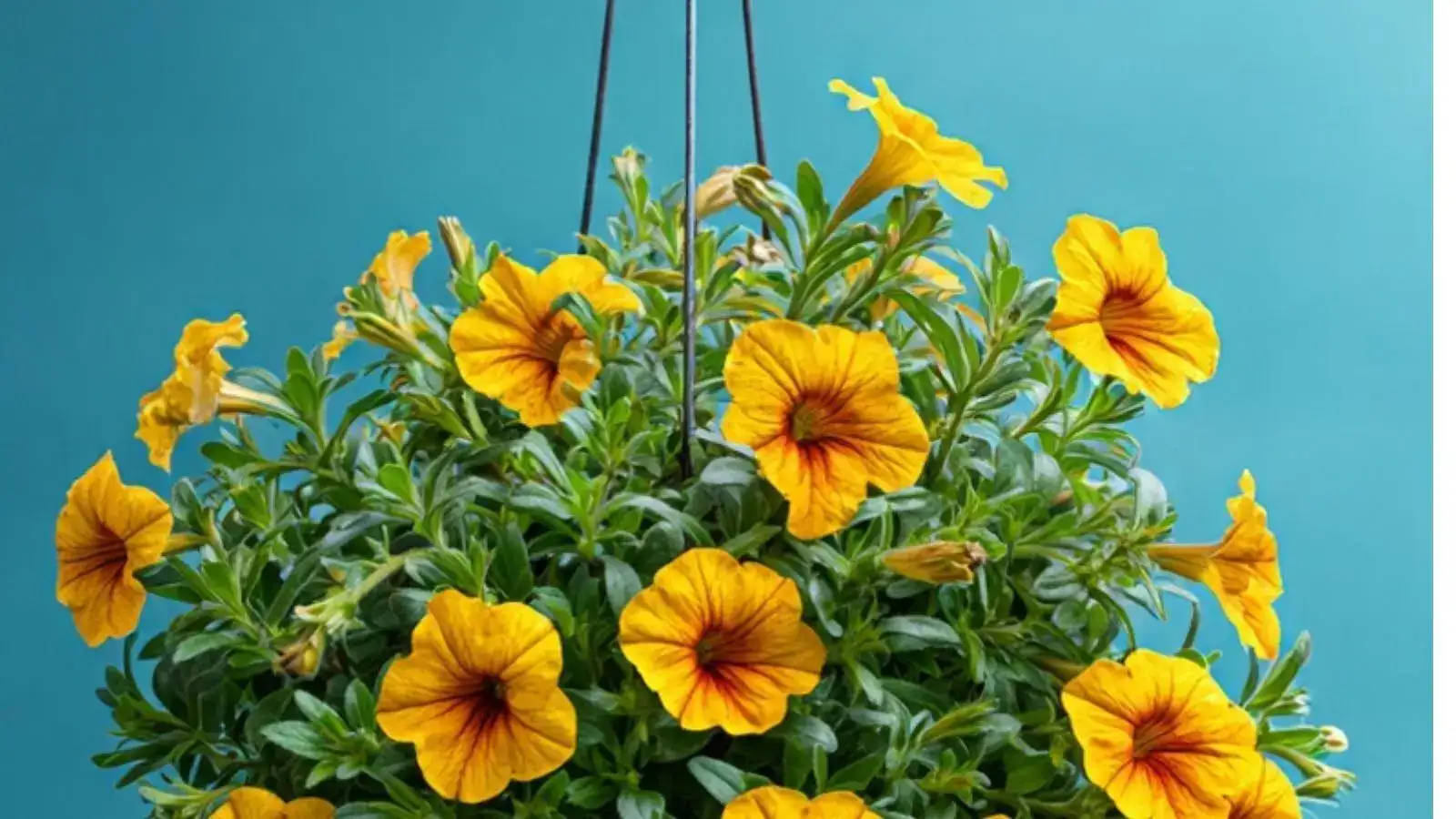
The process begins earlier than most people expect. Seeds need to be started indoors several weeks before the last frost so that plants are strong enough by the time they are moved outside. This early start is important because hanging baskets rely on dense, mature growth to look full and balanced.
Choosing the right flowers is the next step. Not all plants work well in hanging baskets. You need a mix of upright and trailing varieties to create that cascading effect. Popular choices include petunias, lobelia, and begonias, as they grow well in containers and provide continuous blooms.
Once you have your seeds, begin by sowing them in small containers filled with a light, well-draining potting mix. Seeds should be planted at the depth mentioned on the packet, as different plants require different conditions to germinate. Keep the soil moist but not soggy, and place the containers in a bright location where they can receive enough light.
As seedlings begin to grow, care becomes more hands-on. When they reach a few inches in height, pinching the tips can help them grow bushier rather than tall and weak. This step is often overlooked, but it plays a major role in achieving a full, compact basket later on.
Transplanting is where the basket starts to take shape. A typical hanging basket should be filled with a good-quality potting mix, leaving a little space at the top. For a balanced look, place upright plants in the centre and trailing ones around the edges. This arrangement creates volume in the middle and flow on the sides.
Timing matters here as well. The basket should only be moved outdoors once temperatures are stable and there is no risk of frost. Sudden exposure to cold can damage young plants and undo weeks of growth.
After planting, maintenance becomes the key to keeping the basket healthy. Hanging baskets tend to dry out faster than ground plants because they are exposed to air from all sides. Regular watering is essential, often daily in warmer weather. Feeding the plants with a diluted fertiliser once a week helps maintain steady growth and continuous flowering.
There is also an adjustment period. Seed-grown plants need to be gradually introduced to outdoor conditions before being left outside permanently. This process, often called hardening, helps them adapt to sunlight, wind, and temperature changes.
In simple terms, growing hanging baskets from seed is about timing, balance, and consistency.
It may take longer than buying ready-made plants, but it gives you complete control over how your basket looks and grows. And once it starts blooming, the effort becomes visible in every layer of colour and texture.
The process begins earlier than most people expect. Seeds need to be started indoors several weeks before the last frost so that plants are strong enough by the time they are moved outside. This early start is important because hanging baskets rely on dense, mature growth to look full and balanced.
Choosing the right flowers is the next step. Not all plants work well in hanging baskets. You need a mix of upright and trailing varieties to create that cascading effect. Popular choices include petunias, lobelia, and begonias, as they grow well in containers and provide continuous blooms.
Once you have your seeds, begin by sowing them in small containers filled with a light, well-draining potting mix. Seeds should be planted at the depth mentioned on the packet, as different plants require different conditions to germinate. Keep the soil moist but not soggy, and place the containers in a bright location where they can receive enough light.
As seedlings begin to grow, care becomes more hands-on. When they reach a few inches in height, pinching the tips can help them grow bushier rather than tall and weak. This step is often overlooked, but it plays a major role in achieving a full, compact basket later on.
Transplanting is where the basket starts to take shape. A typical hanging basket should be filled with a good-quality potting mix, leaving a little space at the top. For a balanced look, place upright plants in the centre and trailing ones around the edges. This arrangement creates volume in the middle and flow on the sides.
Timing matters here as well. The basket should only be moved outdoors once temperatures are stable and there is no risk of frost. Sudden exposure to cold can damage young plants and undo weeks of growth.
After planting, maintenance becomes the key to keeping the basket healthy. Hanging baskets tend to dry out faster than ground plants because they are exposed to air from all sides. Regular watering is essential, often daily in warmer weather. Feeding the plants with a diluted fertiliser once a week helps maintain steady growth and continuous flowering.
There is also an adjustment period. Seed-grown plants need to be gradually introduced to outdoor conditions before being left outside permanently. This process, often called hardening, helps them adapt to sunlight, wind, and temperature changes.
In simple terms, growing hanging baskets from seed is about timing, balance, and consistency.
It may take longer than buying ready-made plants, but it gives you complete control over how your basket looks and grows. And once it starts blooming, the effort becomes visible in every layer of colour and texture.
Next Story