
How to Grow Hibiscus in Pots on an Indian Balcony

Hibiscus, commonly called gudhal in many parts of India, is a familiar flowering plant found in home gardens, terraces and balconies. Its large, colourful blooms and glossy leaves make it an attractive choice for people who enjoy container gardening .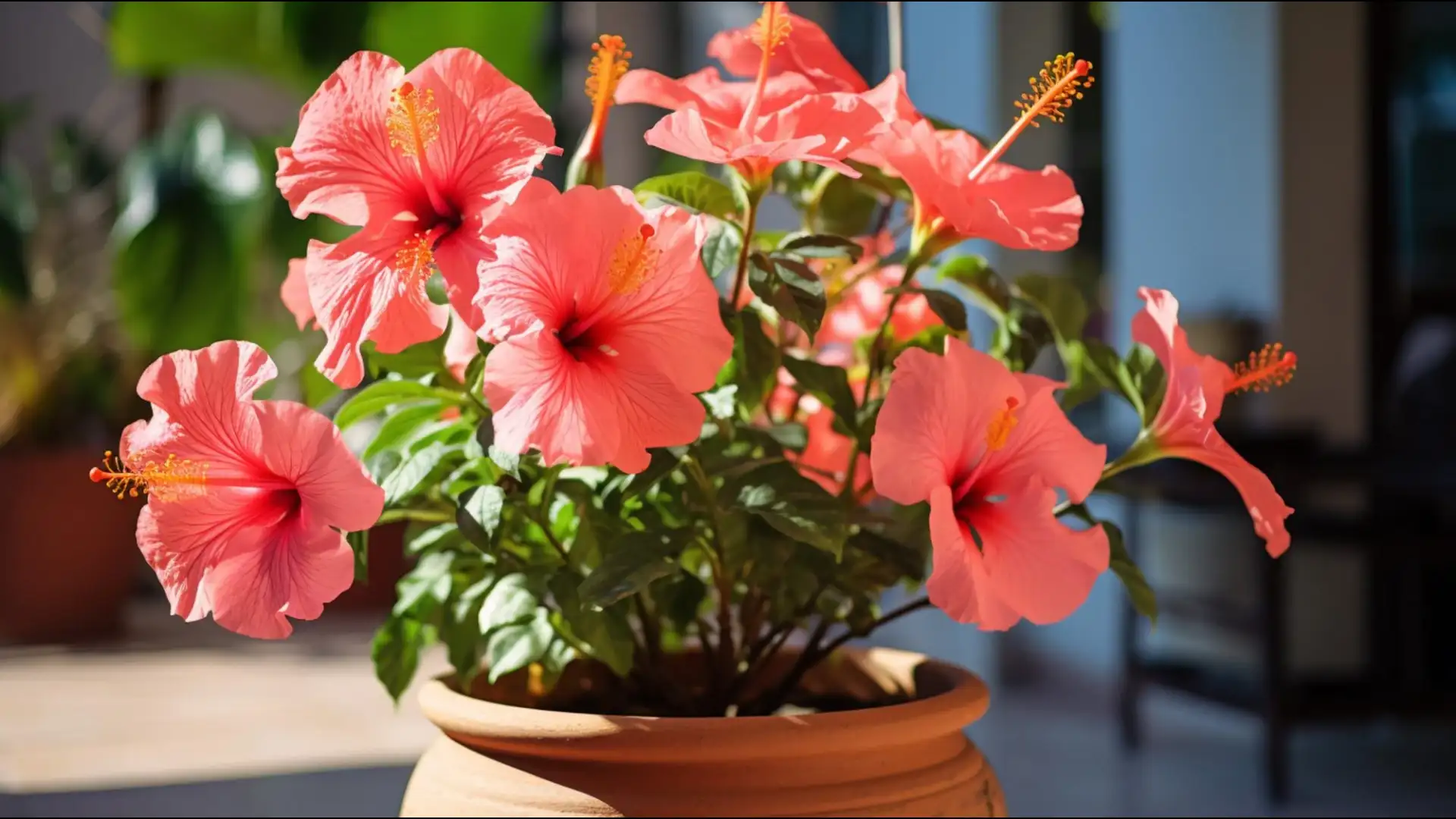
The tropical hibiscus, Hibiscus rosa-sinensis, can be grown successfully in a suitable pot, provided it receives enough light and has room for its roots to develop.
A little attention to pot size, watering and pruning can help maintain an attractive plant without requiring a large outdoor garden.
Avoid choosing an excessively large container for a small plant, as it can make moisture management more difficult.
Terracotta pots allow the growing medium to dry more quickly, while plastic containers generally retain moisture for longer. Choose according to your balcony conditions and how frequently you can water.
If the plant becomes root-bound, move it into a slightly larger pot rather than shifting it into a dramatically oversized container.
For a home potting mix, combine:
The growing medium should hold some moisture without becoming compacted or waterlogged. Keep the drainage holes clear so excess water can escape.
Morning sunlight is often convenient in warmer Indian cities. However, on exposed terraces with intense afternoon heat, the pot may need some protection from harsh reflected sunlight.
Observe the plant over several days after placing it in a new location. Avoid moving it repeatedly unless the current position is clearly unsuitable.
During hot weather, containers may need more frequent watering. In rainy or cooler periods, the soil may remain moist for longer.
Avoid leaving the pot in standing water. At the same time, do not allow the root ball to remain completely dry for extended periods while the plant is actively growing.
Light pruning can help maintain a compact shape and encourage branching. The best timing depends on your local weather and the plant's growth cycle.
A more substantial trim is generally best planned when conditions are suitable for fresh growth, rather than just before a period of cold or severe stress.
Use a suitable balanced fertiliser according to its packaging instructions. Avoid applying extra fertiliser in the hope of forcing more flowers, as excessive feeding can disturb the plant's growth pattern.
A little mature compost can also be added to the surface of the potting mix periodically.
Choose a variety that suits your available space and remember that mature plants may become considerably larger than the nursery sapling.
With an appropriate pot, suitable sunlight and careful watering, hibiscus can be a rewarding flowering plant for an Indian balcony or terrace.
The tropical hibiscus, Hibiscus rosa-sinensis, can be grown successfully in a suitable pot, provided it receives enough light and has room for its roots to develop.
A little attention to pot size, watering and pruning can help maintain an attractive plant without requiring a large outdoor garden.
Choose the right pot
Select a sturdy container with drainage holes. A pot approximately 30 to 35 centimetres wide can be a useful starting point for an established young hibiscus, depending on its size.Avoid choosing an excessively large container for a small plant, as it can make moisture management more difficult.
Terracotta pots allow the growing medium to dry more quickly, while plastic containers generally retain moisture for longer. Choose according to your balcony conditions and how frequently you can water.
If the plant becomes root-bound, move it into a slightly larger pot rather than shifting it into a dramatically oversized container.
Prepare the growing medium
Hibiscus prefers a rich, well-draining growing medium.For a home potting mix, combine:
- 2 parts good-quality potting soil
- 1 part mature compost
- 1 part coarse sand or another suitable drainage material
The growing medium should hold some moisture without becoming compacted or waterlogged. Keep the drainage holes clear so excess water can escape.
Choose a sunny location
Hibiscus generally flowers better in a bright, sunny position. A balcony receiving around four to six hours of direct sunlight can be a useful starting point.Morning sunlight is often convenient in warmer Indian cities. However, on exposed terraces with intense afternoon heat, the pot may need some protection from harsh reflected sunlight.
Observe the plant over several days after placing it in a new location. Avoid moving it repeatedly unless the current position is clearly unsuitable.
Water according to conditions
Check the upper layer of the growing medium before watering. If the top few centimetres feel dry, water thoroughly and allow the excess to drain.During hot weather, containers may need more frequent watering. In rainy or cooler periods, the soil may remain moist for longer.
Avoid leaving the pot in standing water. At the same time, do not allow the root ball to remain completely dry for extended periods while the plant is actively growing.
Prune to maintain shape
Remove dead or damaged branches using clean pruning scissors.Light pruning can help maintain a compact shape and encourage branching. The best timing depends on your local weather and the plant's growth cycle.
A more substantial trim is generally best planned when conditions are suitable for fresh growth, rather than just before a period of cold or severe stress.
Feed the plant sensibly
Hibiscus grown in containers may benefit from regular feeding during active growth.Use a suitable balanced fertiliser according to its packaging instructions. Avoid applying extra fertiliser in the hope of forcing more flowers, as excessive feeding can disturb the plant's growth pattern.
A little mature compost can also be added to the surface of the potting mix periodically.
Make your hibiscus part of the garden
Hibiscus can be grown as a standalone flowering plant or combined with other containers that have similar light and watering needs.Choose a variety that suits your available space and remember that mature plants may become considerably larger than the nursery sapling.
With an appropriate pot, suitable sunlight and careful watering, hibiscus can be a rewarding flowering plant for an Indian balcony or terrace.
Next Story