
How to Grow Mogra in Pots on an Indian Balcony

Mogra, commonly known as Arabian jasmine, is a popular flowering plant in Indian homes. Its white flowers and familiar fragrance make it a favourite for balconies, terraces and small home gardens.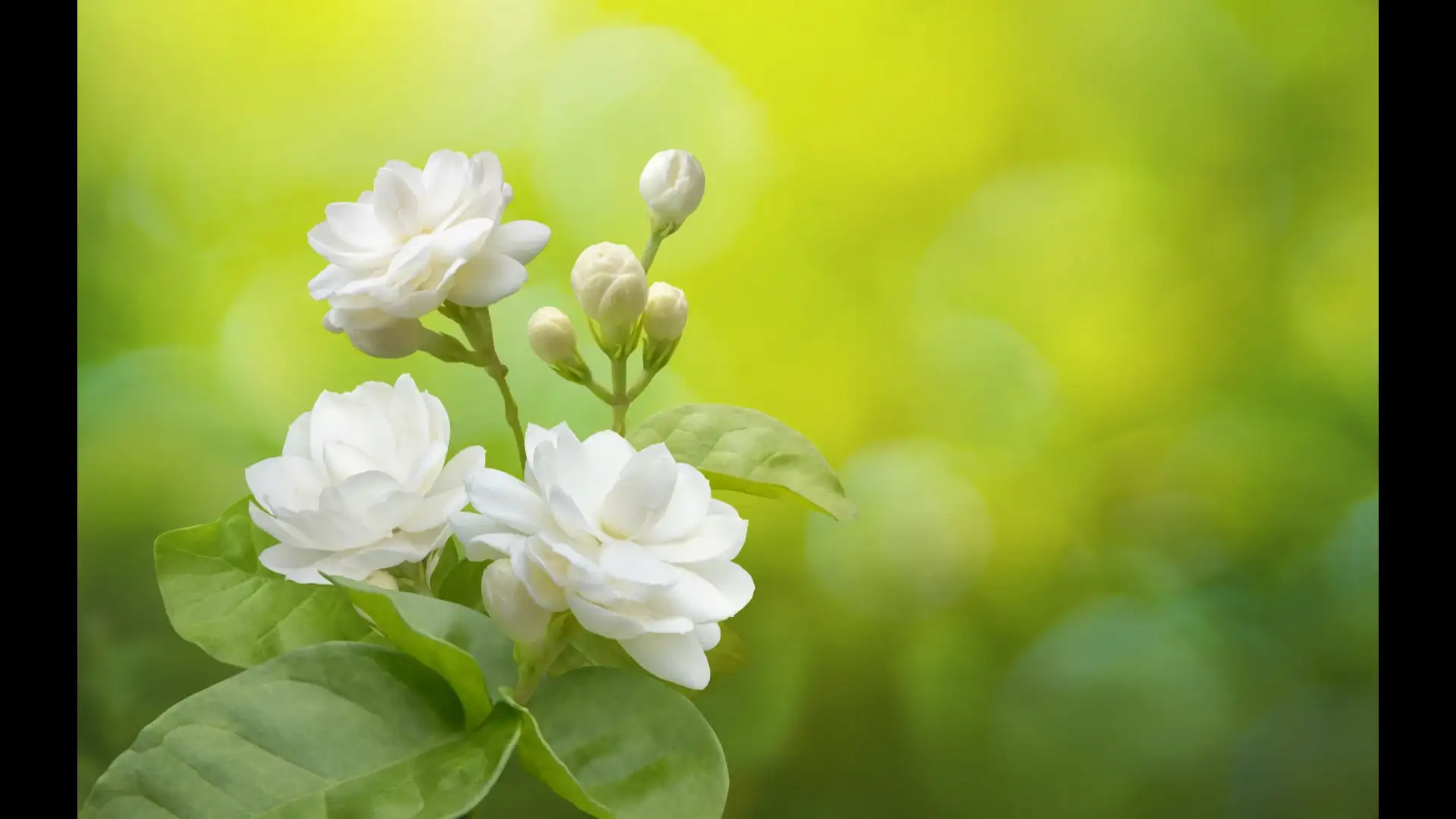
The plant can be grown in a container, provided it receives suitable light and has enough room for its roots to develop. It is particularly appealing to people who enjoy flowering plants but do not have a garden.
With the right pot, a well-draining growing medium and a consistent care routine, mogra can become a rewarding addition to a home garden.
It can be maintained as a compact shrub through pruning, making it suitable for containers. If you have limited space, ask a nursery for a variety that is appropriate for pot growing.
Buy a healthy nursery plant with firm stems and fresh-looking leaves. Avoid selecting a plant only because it has many flowers at the time of purchase. A well-established plant with healthy growth is a better starting point.
Terracotta pots allow moisture to evaporate more readily, while plastic containers retain moisture for longer. Your choice should take account of the local climate and how frequently you can water the plant.
If the plant outgrows its container, move it into a slightly larger pot rather than shifting it into an excessively large one immediately.
A simple potting mix can include:
Avoid using garden soil alone if it becomes hard and compact inside the pot.
Morning sunlight is often easier to manage in very warm locations. If the balcony receives intense afternoon sun, observe how the plant responds and adjust its position if the container becomes excessively hot.
Good air circulation is also useful. Avoid squeezing the plant between walls and other containers.
Do not follow a fixed daily schedule regardless of weather. A pot may dry quickly during hot weather but remain moist for longer during rainy or cooler periods.
Empty water collected in a tray beneath the pot so the roots are not left sitting in excess water.
Use clean pruning scissors and avoid removing too much growth at once.
If the plant becomes leggy, review its sunlight exposure as well as its pruning routine.
If you use a packaged fertiliser, follow the manufacturer's instructions and avoid applying more than recommended. Excessive feeding can encourage leafy growth without necessarily improving flowering.
Growing mogra is a simple way to bring fragrance and seasonal flowers into an urban home. The best results come from observing the plant and adjusting its care to the conditions of your balcony.
The plant can be grown in a container, provided it receives suitable light and has enough room for its roots to develop. It is particularly appealing to people who enjoy flowering plants but do not have a garden.
With the right pot, a well-draining growing medium and a consistent care routine, mogra can become a rewarding addition to a home garden.
Choose a suitable variety
Arabian jasmine, botanically known as Jasminum sambac, is a commonly grown option for Indian homes.It can be maintained as a compact shrub through pruning, making it suitable for containers. If you have limited space, ask a nursery for a variety that is appropriate for pot growing.
Buy a healthy nursery plant with firm stems and fresh-looking leaves. Avoid selecting a plant only because it has many flowers at the time of purchase. A well-established plant with healthy growth is a better starting point.
Select the right pot
Choose a sturdy container with several drainage holes. A pot around 12 to 14 inches deep can be a useful starting size for a young plant, although the final size depends on the variety and root development.Terracotta pots allow moisture to evaporate more readily, while plastic containers retain moisture for longer. Your choice should take account of the local climate and how frequently you can water the plant.
If the plant outgrows its container, move it into a slightly larger pot rather than shifting it into an excessively large one immediately.
Prepare the growing medium
Mogra prefers a growing medium that retains some moisture but does not remain waterlogged.A simple potting mix can include:
- Garden soil
- Well-decomposed compost
- Coarse sand or another suitable drainage material
Avoid using garden soil alone if it becomes hard and compact inside the pot.
Find a sunny location
Mogra generally grows and flowers better when it receives several hours of sunlight. A balcony with around four to six hours of suitable sunlight is a reasonable starting point.Morning sunlight is often easier to manage in very warm locations. If the balcony receives intense afternoon sun, observe how the plant responds and adjust its position if the container becomes excessively hot.
Good air circulation is also useful. Avoid squeezing the plant between walls and other containers.
Water according to the soil
Check the top layer of the growing medium before watering. If it feels dry, water thoroughly until excess moisture drains from the bottom.Do not follow a fixed daily schedule regardless of weather. A pot may dry quickly during hot weather but remain moist for longer during rainy or cooler periods.
Empty water collected in a tray beneath the pot so the roots are not left sitting in excess water.
You may also like
- Vampires and clowns come to town for a spooktacular weekend
- 'Jisko nahi fly karna, woh nikal lo': Airline staff's blunt response to safety concerns leaves passengers fuming, sparks heated exchange
- Why do fishes keep dying when you bring them home?
- 'I'm REALLY worried about my...': Woman seeks financial advice after discovering parents have no retirement savings after spending Rs 17 lakh on her wedding
- Wavy Hair Care: Why It Needs Its Own Routine
Prune after flowering
Remove faded flowers and weak or damaged stems. Light pruning after a flowering cycle can help maintain a manageable shape and encourage branching.Use clean pruning scissors and avoid removing too much growth at once.
If the plant becomes leggy, review its sunlight exposure as well as its pruning routine.
Feed the plant sensibly
A small amount of mature compost can be incorporated into the top layer of the potting mix during active growth.If you use a packaged fertiliser, follow the manufacturer's instructions and avoid applying more than recommended. Excessive feeding can encourage leafy growth without necessarily improving flowering.
Keep a simple care routine
Check the plant regularly for dry soil, fallen leaves and crowded growth. Rotate the pot occasionally if one side receives much more light than the other.Growing mogra is a simple way to bring fragrance and seasonal flowers into an urban home. The best results come from observing the plant and adjusting its care to the conditions of your balcony.






Loving Newspoint? Download the app now
