
Papaya in a Pot? A Simple Guide to Growing It at Home

Most fruit plants demand space, time, and patience. Papaya quietly breaks all three rules. It grows fast, adapts easily, and does not need a full garden to thrive. With the right approach, even a balcony can support a fruit-bearing plant.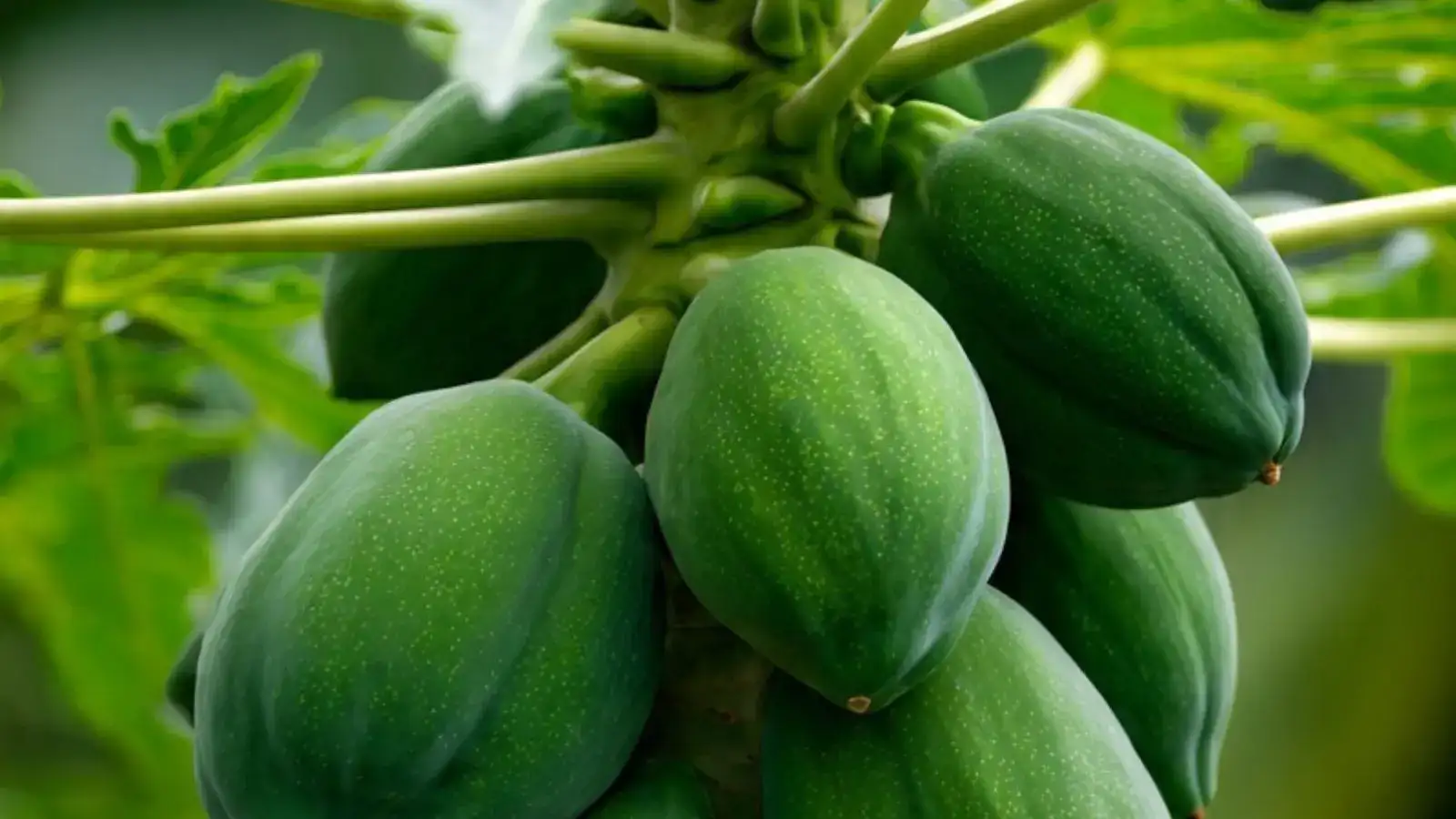
The starting point is not complicated. Papaya seeds are easily available and can even be taken from a ripe fruit at home. What matters is how they are prepared. Cleaning off the sticky outer layer and letting them dry improves their chances of sprouting. It is a small step, but it makes the process smoother from the beginning.
Instead of focusing on planting immediately, the real attention should go to where the plant will grow. Papaya needs consistent sunlight. Without it, growth slows down and fruiting becomes unlikely. A spot that receives direct sunlight for most of the day is essential, whether it is a terrace corner or a window-facing balcony.
The next decision is the container. Unlike small herbs, papaya needs room for its roots. A deep, wide pot allows the plant to grow steadily without becoming restricted. At the same time, drainage becomes critical. The soil should not hold excess water, as papaya roots are sensitive to waterlogging. A mix that feels light and slightly airy works best.
Once planted, growth happens quickly. Seeds can sprout within a few weeks, and soon multiple seedlings begin to appear. This is where many beginners hesitate, but thinning them out is necessary. Keeping only the strongest plant ensures that nutrients are not divided, allowing it to develop properly.
What makes papaya different from most fruit plants is its pace. Within a few months, it begins to take shape, and flowering can follow sooner than expected. In the right conditions, fruiting does not take years. It can happen within the same year, which is rare for fruit cultivation at home.
Care, however, needs to stay consistent. Watering should be balanced. Too little slows growth, too much damages roots. The goal is to keep the soil slightly moist without making it soggy. Regular feeding with compost or organic nutrients helps the plant sustain its rapid growth cycle.
There are also practical details that often go unnoticed. Papaya plants grow tall but have relatively soft stems, which means they may need support as they mature. Weather changes, especially strong winds, can affect them more than sturdier plants.
Another aspect that surprises many growers is that not every papaya plant will produce fruit. Some plants are male, while others are female or capable of self-pollination. This is why starting with multiple seeds increases the chances of ending up with a productive plant.
As the fruit begins to develop, the final stage becomes easier to read. A slight change in colour, from green to yellow, usually signals that the papaya is ready to be harvested.
In simple terms, growing papaya at home is less about expertise and more about getting the basics right.
Give it sunlight, space, and steady care, and it responds quickly. For anyone starting with home gardening, it is one of the few plants that delivers visible results without a long wait.
The starting point is not complicated. Papaya seeds are easily available and can even be taken from a ripe fruit at home. What matters is how they are prepared. Cleaning off the sticky outer layer and letting them dry improves their chances of sprouting. It is a small step, but it makes the process smoother from the beginning.
Instead of focusing on planting immediately, the real attention should go to where the plant will grow. Papaya needs consistent sunlight. Without it, growth slows down and fruiting becomes unlikely. A spot that receives direct sunlight for most of the day is essential, whether it is a terrace corner or a window-facing balcony.
The next decision is the container. Unlike small herbs, papaya needs room for its roots. A deep, wide pot allows the plant to grow steadily without becoming restricted. At the same time, drainage becomes critical. The soil should not hold excess water, as papaya roots are sensitive to waterlogging. A mix that feels light and slightly airy works best.
Once planted, growth happens quickly. Seeds can sprout within a few weeks, and soon multiple seedlings begin to appear. This is where many beginners hesitate, but thinning them out is necessary. Keeping only the strongest plant ensures that nutrients are not divided, allowing it to develop properly.
What makes papaya different from most fruit plants is its pace. Within a few months, it begins to take shape, and flowering can follow sooner than expected. In the right conditions, fruiting does not take years. It can happen within the same year, which is rare for fruit cultivation at home.
Care, however, needs to stay consistent. Watering should be balanced. Too little slows growth, too much damages roots. The goal is to keep the soil slightly moist without making it soggy. Regular feeding with compost or organic nutrients helps the plant sustain its rapid growth cycle.
There are also practical details that often go unnoticed. Papaya plants grow tall but have relatively soft stems, which means they may need support as they mature. Weather changes, especially strong winds, can affect them more than sturdier plants.
Another aspect that surprises many growers is that not every papaya plant will produce fruit. Some plants are male, while others are female or capable of self-pollination. This is why starting with multiple seeds increases the chances of ending up with a productive plant.
As the fruit begins to develop, the final stage becomes easier to read. A slight change in colour, from green to yellow, usually signals that the papaya is ready to be harvested.
In simple terms, growing papaya at home is less about expertise and more about getting the basics right.
Give it sunlight, space, and steady care, and it responds quickly. For anyone starting with home gardening, it is one of the few plants that delivers visible results without a long wait.
Next Story