
How to Grow Your Own Tea Garden Using 8 Useful Homegrown Herbs

Peppermint is one of the easiest and most satisfying plants to cultivate when you start to grow your own tea garden . This hardy perennial thrives in containers or garden beds, producing a steady supply of dark green, highly aromatic leaves throughout the spring and summer months. Brewed fresh or dried, peppermint leaves release natural menthol oils that deliver a crisp, cooling flavour while soothing tired digestive systems after heavy meals. Because peppermint spreads quickly through underground runners, planting it inside dedicated pots keeps your herbal tea garden neat, contained, and easy to harvest daily.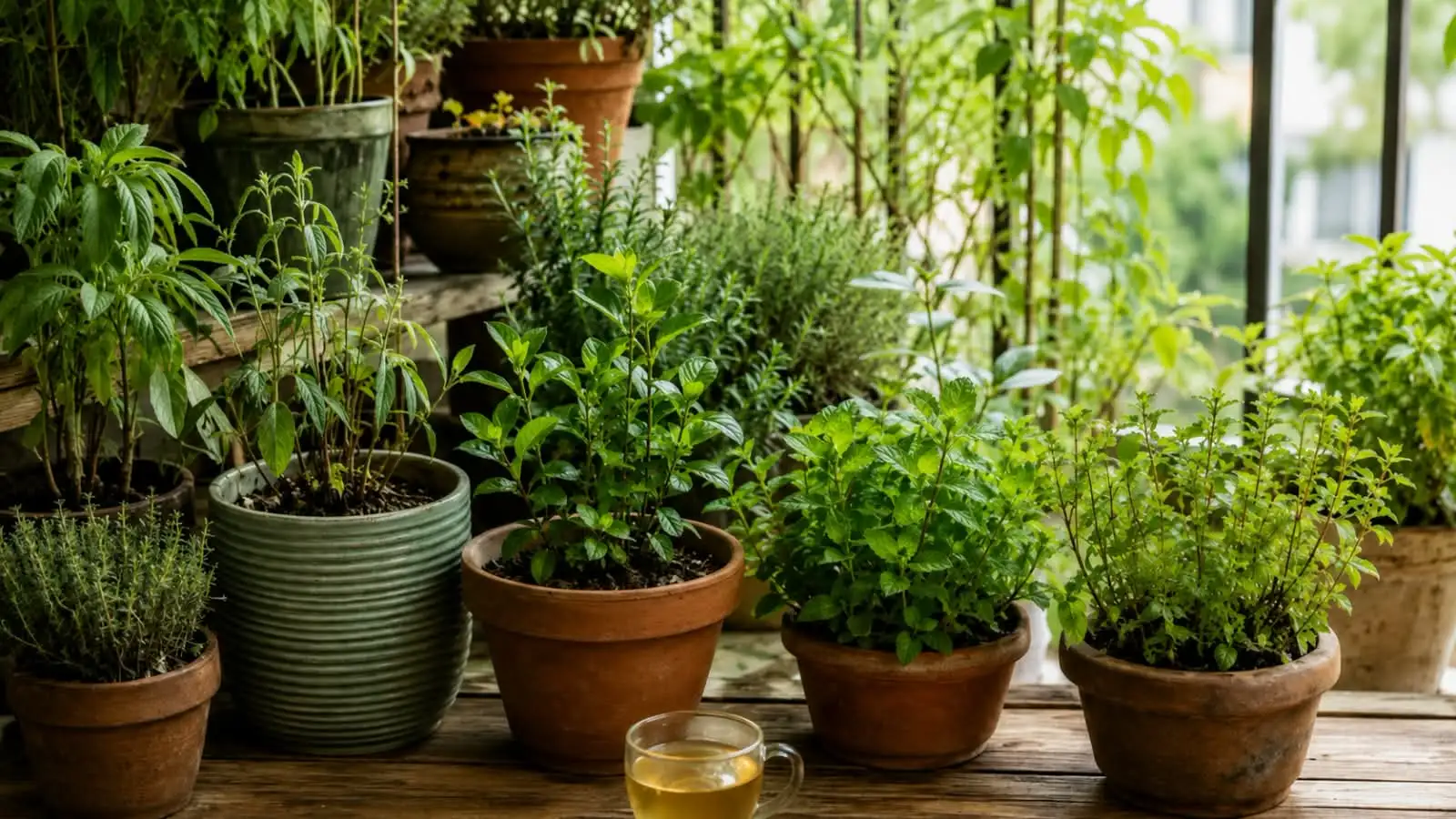
German Chamomile for Calming Evening Infusions
No home herbal collection feels complete without the delicate, apple-scented blossoms of German chamomile. This sweet annual plant features feathery green foliage and small white daisy-like flowers with bright yellow centres. Plucking the flower heads on sunny mornings and steeping them in hot water creates a mild, comforting golden brew famous for easing evening stress and promoting deep, restful sleep. Chamomile grows happily in full sunlight, re-seeding itself year after year to ensure your home tea garden remains filled with charming blooms.
Lemon Balm for Uplifting Citrusy Flavours
A cherished member of the mint family, lemon balm brings a bright, citrus scent to your backyard patch. Its soft, saw-toothed green leaves emit a sweet lemon fragrance whenever you brush past the plant or crush a leaf between your fingers. Steeping fresh lemon balm leaves creates an uplifting herbal drink that helps reduce mild anxiety, clears brain fog, and improves focus. Lemon balm grows vigorously in moist, well-draining soil under partial shade or full sun, making it an ideal choice for balcony containers and garden borders alike.
Holy Basil or Tulsi for Immune Support
Holy basil, commonly known as tulsi, is an ancient medicinal plant celebrated across the globe for its spicy, clove-like aroma and adaptive health benefits. Growing holy basil at home requires a sunny, warm spot where its purplish-green leaves can flourish during the summer season. Brewing a mug of fresh tulsi leaves offers a warm, earthy flavour that strengthens your immunity, clears congestion, and helps your body manage daily mental stress. Regularly pinching off flower buds encourages the plant to produce lush foliage for your home harvests.
Lemon Verbena for Intense Fruity Aromas
If you crave a sharp, clean citrus taste that outshines standard lemon juice, lemon verbena is a must-have shrub for your garden. This tender perennial boasts long, pointed leaves packed with concentrated lemon essential oils. Just a few leaves steeped in boiling water yield a smooth, naturally sweet beverage that tastes wonderful served hot or poured over ice on summer afternoons. Lemon verbena prefers sunny spots with rich, well-draining soil and responds well to light pruning to maintain a bushy shape.
Lavender for Relaxing Floral Blends
revered for its gorgeous purple spikes and soothing scent, English lavender brings a luxurious floral touch to any homemade herbal infusion. Lavender plants thrive in dry, sandy soil and full sunlight, requiring very little water once established in your yard or patio pots. When harvesting, pick the flower buds just as they begin to open, as this is when the essential oils are most concentrated. Adding a small pinch of dried lavender buds to chamomile or mint creates a fragrant, relaxing blend that calms the mind.
Rosemary for Rich Earthy Energy Boosts
While commonly reserved for savory kitchen recipes, rosemary leaves make a surprisingly robust and invigorating morning tea. This woody Mediterranean evergreen bush tolerates heat, dry spells, and poor soil conditions effortlessly. Steeping a fresh needle-like sprig of rosemary in hot water releases piney, resinous compounds that stimulate circulation and sharpen mental clarity. Rosemary grows reliably year-round in sunny spots, providing a dependable source of fresh green leaves even through chilly winter months.
Thyme for Soothing Respiratory Comfort
Thyme is a low-growing, aromatic ground cover that doubles as a powerful medicinal herbal tea ingredient. Containing natural thymol compounds, thyme leaves offer strong antibacterial properties that help soothe tickly throats, clear chest tightness, and ease seasonal coughs. The plant requires minimal care, thriving in shallow pots or gravel beds with minimal watering. A simple brew of fresh thyme leaves sweetened with a spoonful of raw honey delivers comforting warmth whenever you feel a seasonal chill coming on.
German Chamomile for Calming Evening Infusions
No home herbal collection feels complete without the delicate, apple-scented blossoms of German chamomile. This sweet annual plant features feathery green foliage and small white daisy-like flowers with bright yellow centres. Plucking the flower heads on sunny mornings and steeping them in hot water creates a mild, comforting golden brew famous for easing evening stress and promoting deep, restful sleep. Chamomile grows happily in full sunlight, re-seeding itself year after year to ensure your home tea garden remains filled with charming blooms.
Lemon Balm for Uplifting Citrusy Flavours
A cherished member of the mint family, lemon balm brings a bright, citrus scent to your backyard patch. Its soft, saw-toothed green leaves emit a sweet lemon fragrance whenever you brush past the plant or crush a leaf between your fingers. Steeping fresh lemon balm leaves creates an uplifting herbal drink that helps reduce mild anxiety, clears brain fog, and improves focus. Lemon balm grows vigorously in moist, well-draining soil under partial shade or full sun, making it an ideal choice for balcony containers and garden borders alike.
Holy Basil or Tulsi for Immune Support
Holy basil, commonly known as tulsi, is an ancient medicinal plant celebrated across the globe for its spicy, clove-like aroma and adaptive health benefits. Growing holy basil at home requires a sunny, warm spot where its purplish-green leaves can flourish during the summer season. Brewing a mug of fresh tulsi leaves offers a warm, earthy flavour that strengthens your immunity, clears congestion, and helps your body manage daily mental stress. Regularly pinching off flower buds encourages the plant to produce lush foliage for your home harvests.
Lemon Verbena for Intense Fruity Aromas
If you crave a sharp, clean citrus taste that outshines standard lemon juice, lemon verbena is a must-have shrub for your garden. This tender perennial boasts long, pointed leaves packed with concentrated lemon essential oils. Just a few leaves steeped in boiling water yield a smooth, naturally sweet beverage that tastes wonderful served hot or poured over ice on summer afternoons. Lemon verbena prefers sunny spots with rich, well-draining soil and responds well to light pruning to maintain a bushy shape.
You may also like
- Delay in Implementing 8th Pay Commission Recommendations Could Cost Employees Lakhs; Here's the Math.
- 'MJ was what you'd call a total package of a performing artist': Jaaved Jaaferi on Michael Jackson
- ITR Filing Deadline: Only 2 days left! Failure to file the return by August 31 could result in a penalty of ₹5,000.
- Could your backyard bird feeder be helping spread deadly bird flu? Here's why experts are warning against feeding wild birds during the H5N1 outbreak
- CNG Rules: No Gas Supply if Hydro Test or Compliance Plate Has Expired
Lavender for Relaxing Floral Blends
revered for its gorgeous purple spikes and soothing scent, English lavender brings a luxurious floral touch to any homemade herbal infusion. Lavender plants thrive in dry, sandy soil and full sunlight, requiring very little water once established in your yard or patio pots. When harvesting, pick the flower buds just as they begin to open, as this is when the essential oils are most concentrated. Adding a small pinch of dried lavender buds to chamomile or mint creates a fragrant, relaxing blend that calms the mind.
Rosemary for Rich Earthy Energy Boosts
While commonly reserved for savory kitchen recipes, rosemary leaves make a surprisingly robust and invigorating morning tea. This woody Mediterranean evergreen bush tolerates heat, dry spells, and poor soil conditions effortlessly. Steeping a fresh needle-like sprig of rosemary in hot water releases piney, resinous compounds that stimulate circulation and sharpen mental clarity. Rosemary grows reliably year-round in sunny spots, providing a dependable source of fresh green leaves even through chilly winter months.
Thyme for Soothing Respiratory Comfort
Thyme is a low-growing, aromatic ground cover that doubles as a powerful medicinal herbal tea ingredient. Containing natural thymol compounds, thyme leaves offer strong antibacterial properties that help soothe tickly throats, clear chest tightness, and ease seasonal coughs. The plant requires minimal care, thriving in shallow pots or gravel beds with minimal watering. A simple brew of fresh thyme leaves sweetened with a spoonful of raw honey delivers comforting warmth whenever you feel a seasonal chill coming on.






Loving Newspoint? Download the app now
