
Why Gut-Friendly Foods Are Becoming a Bigger Part of Everyday Diets

Gut health has become an increasingly popular topic in conversations about food and wellbeing. From yoghurt and homemade curd to oats, lentils, bananas and fermented foods, people are paying more attention to how everyday meals support digestion. Instead of relying entirely on supplements or specialised products, many are exploring familiar ingredients that can fit naturally into their routines.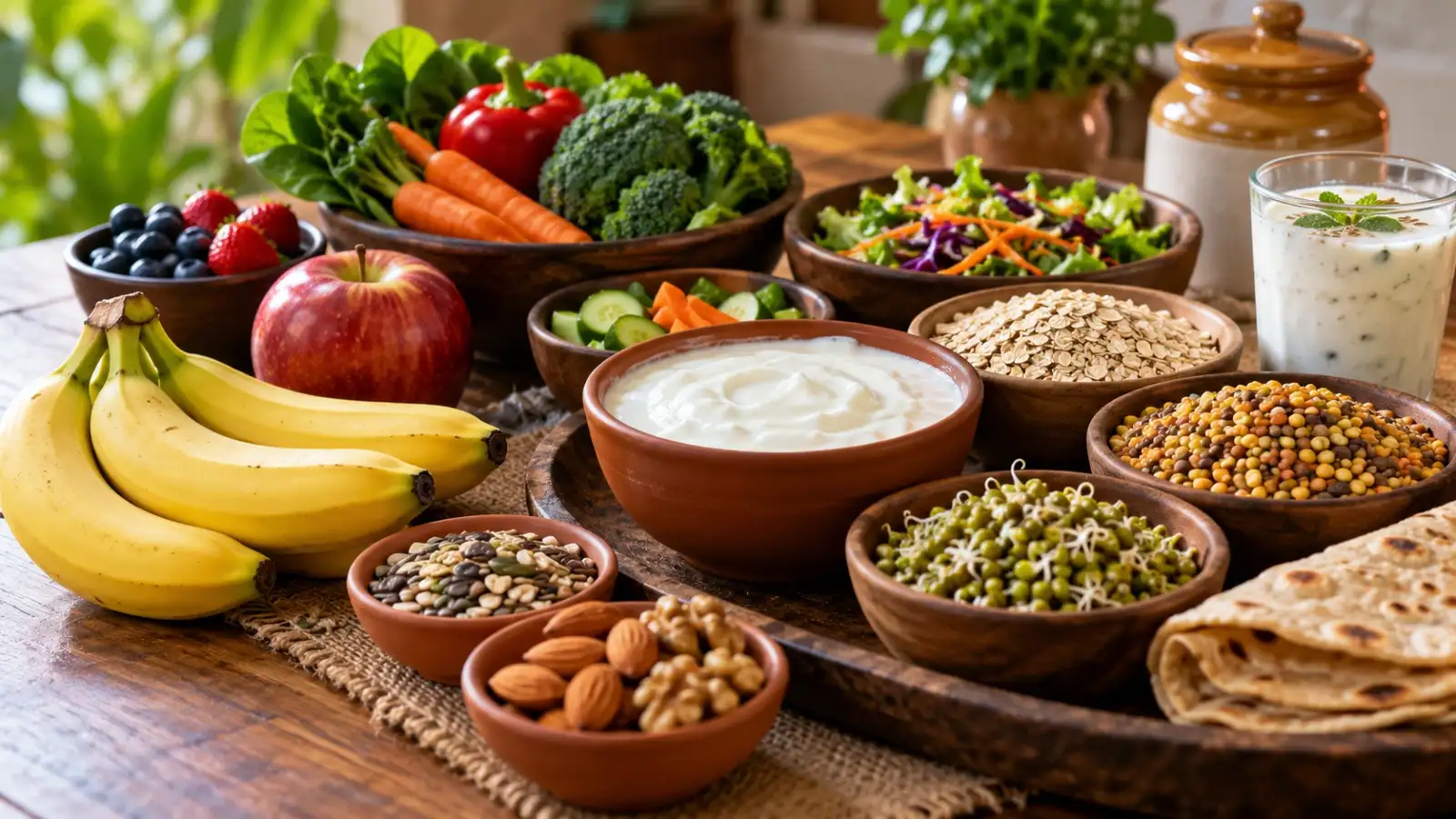
This interest reflects a wider shift towards practical eating habits rather than complicated diet plans. A balanced diet containing fibre-rich plant foods, adequate fluids and selected fermented foods can help support digestive health. The aim is not to follow every food trend, but to build a varied eating pattern that works for the individual.
These microorganisms help process certain components of food, including fibres that the human digestive system cannot fully digest. They also produce substances that contribute to the functioning of the gut and its surrounding environment.
A healthy gut is not defined by one particular food or a single type of bacteria. Diet, sleep, physical activity, medication, age and individual health conditions can all influence digestive wellbeing.
This is why nutrition experts generally encourage a varied, balanced diet rather than depending on one product marketed as a solution for every digestive problem.
Some fibres are also fermented by gut microorganisms, producing compounds that contribute to the intestinal environment.
Indian meals already offer plenty of opportunities to include fibre. Dal, chickpeas, rajma, vegetables, oats, whole-wheat roti and seasonal fruit can all contribute to daily intake.
Rather than changing an entire diet overnight, people can begin with simple adjustments. Adding vegetables to lunch, choosing whole grains more often or including fruit as a snack can make meals more varied.
Fibre intake should be increased gradually, particularly for people who are not used to eating much of it. Drinking enough water is also important, as a sudden increase in fibre may otherwise cause discomfort.
Depending on how a food is prepared and stored, fermentation may involve microorganisms that transform sugars and other components, changing the food's flavour, texture and nutritional properties.
Curd containing live cultures can provide beneficial microorganisms, while fermented batters develop their characteristic taste and texture through microbial activity. However, not every fermented food contains live microorganisms at the point of consumption, and the effects can differ between products.
People interested in gut-friendly foods can include traditional fermented dishes as part of a varied diet. Those who are lactose intolerant or sensitive to particular ingredients may need to choose alternatives that suit them.
Probiotics are specific live microorganisms that provide a health benefit when consumed in adequate amounts. Some fermented foods contain these microorganisms, although the benefits depend on the particular strain and the evidence supporting its use.
Prebiotics are substances used by certain microorganisms in the body and can encourage beneficial changes in the gut microbiota. Many are types of dietary fibre found in foods such as onions, garlic, bananas, legumes and whole grains.
The two concepts are related, but they are not interchangeable. Eating a varied diet containing fibre-rich foods and suitable fermented products can be a practical way to support the gut without making meals unnecessarily complicated.
The evidence is more nuanced. Different foods provide different fibres, nutrients and microorganisms, and their effects can vary between individuals. A food that suits one person may cause bloating or discomfort in another.
A varied diet is generally a more practical foundation than depending on a single ingredient. Rotating fruits, vegetables, pulses and whole grains can expose the gut microbiota to a broader range of dietary components.
People with irritable bowel syndrome, food intolerances or other digestive conditions may need a more individualised approach, as some otherwise nutritious foods can trigger symptoms.
Someone who usually eats refined grains could try replacing one serving with a whole-grain option. Another person might add vegetables to lunch, include fruit at breakfast or have plain curd with a meal if it suits their digestion.
Regular meals, sufficient fluids and physical activity can also support normal bowel function. It is useful to pay attention to how the body responds rather than assuming that more fibre or fermented food is always better.
Probiotic supplements are not necessary for everyone, and their usefulness depends on the specific product and health concern. People considering supplements for persistent symptoms should seek advice from a qualified healthcare professional.
Ongoing abdominal pain, repeated diarrhoea, severe constipation, unexplained weight loss, blood in the stool or other concerning symptoms warrant medical assessment. A healthcare professional can help identify the cause and recommend suitable treatment.
Food choices can support general digestive health, but they cannot replace medical care when an underlying condition is present.
There is no universal food that guarantees perfect digestion, and expensive products are not automatically better than familiar ingredients. Consistency, variety and individual tolerance matter more than following every new trend.
For many people, the most realistic starting point is already in the kitchen: make meals more varied, include plant foods regularly and pay attention to how different choices affect the body.
This interest reflects a wider shift towards practical eating habits rather than complicated diet plans. A balanced diet containing fibre-rich plant foods, adequate fluids and selected fermented foods can help support digestive health. The aim is not to follow every food trend, but to build a varied eating pattern that works for the individual.
What Does Gut Health Actually Mean?
The digestive system breaks down food, absorbs nutrients and removes waste. It is also home to a complex community of microorganisms known as the gut microbiota, which includes bacteria and other microbes that interact with the body in several ways.These microorganisms help process certain components of food, including fibres that the human digestive system cannot fully digest. They also produce substances that contribute to the functioning of the gut and its surrounding environment.
A healthy gut is not defined by one particular food or a single type of bacteria. Diet, sleep, physical activity, medication, age and individual health conditions can all influence digestive wellbeing.
This is why nutrition experts generally encourage a varied, balanced diet rather than depending on one product marketed as a solution for every digestive problem.
1. Fibre-Rich Foods Are Getting More Attention
Dietary fibre is an important part of a gut-friendly diet. It is found in fruits, vegetables, pulses, whole grains, nuts and seeds. Different types of fibre perform different functions, including adding bulk to stools and supporting regular bowel movements.Some fibres are also fermented by gut microorganisms, producing compounds that contribute to the intestinal environment.
Indian meals already offer plenty of opportunities to include fibre. Dal, chickpeas, rajma, vegetables, oats, whole-wheat roti and seasonal fruit can all contribute to daily intake.
Rather than changing an entire diet overnight, people can begin with simple adjustments. Adding vegetables to lunch, choosing whole grains more often or including fruit as a snack can make meals more varied.
Fibre intake should be increased gradually, particularly for people who are not used to eating much of it. Drinking enough water is also important, as a sudden increase in fibre may otherwise cause discomfort.
2. Traditional Fermented Foods Are Finding a Place in Modern Diets
Fermentation has long been part of food traditions around the world. In India, curd, chaas, idli and dosa batter, and certain fermented regional foods are familiar examples.Depending on how a food is prepared and stored, fermentation may involve microorganisms that transform sugars and other components, changing the food's flavour, texture and nutritional properties.
Curd containing live cultures can provide beneficial microorganisms, while fermented batters develop their characteristic taste and texture through microbial activity. However, not every fermented food contains live microorganisms at the point of consumption, and the effects can differ between products.
People interested in gut-friendly foods can include traditional fermented dishes as part of a varied diet. Those who are lactose intolerant or sensitive to particular ingredients may need to choose alternatives that suit them.
3. Prebiotics and Probiotics Are Becoming Familiar Terms
Two terms frequently used in discussions about digestive health are prebiotics and probiotics, but they refer to different things.Probiotics are specific live microorganisms that provide a health benefit when consumed in adequate amounts. Some fermented foods contain these microorganisms, although the benefits depend on the particular strain and the evidence supporting its use.
Prebiotics are substances used by certain microorganisms in the body and can encourage beneficial changes in the gut microbiota. Many are types of dietary fibre found in foods such as onions, garlic, bananas, legumes and whole grains.
The two concepts are related, but they are not interchangeable. Eating a varied diet containing fibre-rich foods and suitable fermented products can be a practical way to support the gut without making meals unnecessarily complicated.
4. Everyday Indian Foods Can Support Digestive Wellbeing
Gut-friendly eating does not have to involve expensive imported ingredients. Many commonly available Indian foods can contribute useful nutrients and fibre.- Curd: Provides protein and calcium, and some varieties contain live cultures.
- Dal and beans: Supply fibre and plant protein.
- Bananas: Provide carbohydrates and fibre, with composition varying according to ripeness.
- Oats: Contain soluble fibre, including beta-glucan.
- Vegetables: Offer different types of fibre, vitamins and minerals.
- Whole grains: Can increase fibre intake when used in place of more refined options.
- Nuts and seeds: Provide fibre and unsaturated fats, along with other nutrients.
5. Why Variety Matters More Than One Superfood
Social media often gives individual ingredients the status of miracle foods. One week, a particular seed may be promoted for digestion; the next, a fermented drink may be described as essential for gut health.The evidence is more nuanced. Different foods provide different fibres, nutrients and microorganisms, and their effects can vary between individuals. A food that suits one person may cause bloating or discomfort in another.
A varied diet is generally a more practical foundation than depending on a single ingredient. Rotating fruits, vegetables, pulses and whole grains can expose the gut microbiota to a broader range of dietary components.
People with irritable bowel syndrome, food intolerances or other digestive conditions may need a more individualised approach, as some otherwise nutritious foods can trigger symptoms.
6. Small Changes Can Make Healthy Eating Easier
A gut-friendly routine does not need to begin with a strict meal plan. Small, manageable changes are often easier to maintain.Someone who usually eats refined grains could try replacing one serving with a whole-grain option. Another person might add vegetables to lunch, include fruit at breakfast or have plain curd with a meal if it suits their digestion.
Regular meals, sufficient fluids and physical activity can also support normal bowel function. It is useful to pay attention to how the body responds rather than assuming that more fibre or fermented food is always better.
Probiotic supplements are not necessary for everyone, and their usefulness depends on the specific product and health concern. People considering supplements for persistent symptoms should seek advice from a qualified healthcare professional.
When Digestive Symptoms Need Medical Attention
Occasional gas or bloating can occur for many reasons, including changes in diet. However, persistent digestive discomfort should not automatically be attributed to an unhealthy gut microbiome.Ongoing abdominal pain, repeated diarrhoea, severe constipation, unexplained weight loss, blood in the stool or other concerning symptoms warrant medical assessment. A healthcare professional can help identify the cause and recommend suitable treatment.
Food choices can support general digestive health, but they cannot replace medical care when an underlying condition is present.
Why Gut-Friendly Eating Is More Than a Food Trend
The growing interest in gut-friendly foods reflects a useful shift towards understanding how everyday eating habits affect digestion and overall wellbeing. Fibre-rich vegetables, fruit, pulses and whole grains, alongside suitable fermented foods, can form part of a balanced diet.There is no universal food that guarantees perfect digestion, and expensive products are not automatically better than familiar ingredients. Consistency, variety and individual tolerance matter more than following every new trend.
For many people, the most realistic starting point is already in the kitchen: make meals more varied, include plant foods regularly and pay attention to how different choices affect the body.
Next Story