
Guava Benefits: Why This Everyday Fruit Deserves a Place in Your Diet

Guava is a popular fruit known for its distinctive aroma, sweet flavour and crunchy texture. Available in green and yellow varieties, it can be enjoyed on its own or added to fruit salads and other dishes. Beyond its taste, guava provides nutrients that make it a useful addition to a balanced diet.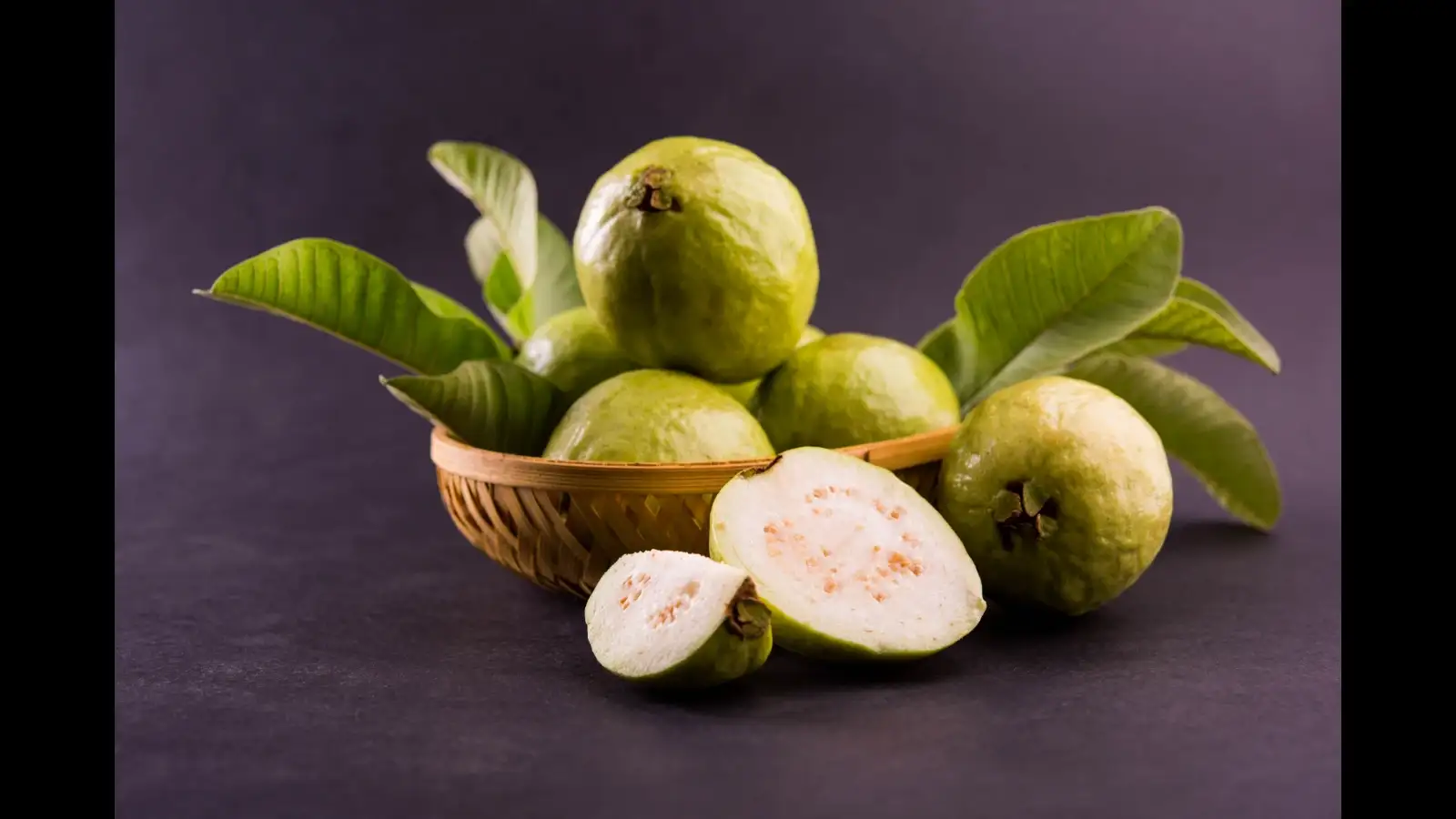
The fruit contains vitamin C and dietary fibre, along with smaller amounts of several other vitamins and minerals. Rather than relying on a single food for better health, including a variety of fruits and vegetables in everyday meals can help provide a wider range of nutrients.
Guava is particularly rich in vitamin C compared with many commonly eaten fruits. Including it in meals can help contribute to daily vitamin C intake.
However, eating guava does not prevent every infection or replace medical treatment. Its benefits are best understood as part of an overall balanced eating pattern.
Eating whole fruit also provides a different nutritional experience from drinking strained fruit juice, as juicing can remove much of the fibre.
People who are not accustomed to eating much fibre can increase their intake gradually and drink enough water to support normal digestion.
Its fibre content can also make it a satisfying snack for some people. Nevertheless, no single fruit guarantees weight loss, and portion sizes and overall eating habits remain important.
A varied diet containing different coloured fruits and vegetables is a practical way to obtain a range of these compounds.
For a simple snack, pair guava with a small portion of unsalted nuts. Those who prefer a savoury flavour can add a little lemon juice and mild seasoning.
People managing a medical condition or following a prescribed diet should seek individual advice if they are unsure about suitable portions.
Guava is nutritious, but it is not a treatment for diabetes, digestive disorders or infections. Anyone experiencing persistent digestive symptoms should consult a healthcare professional rather than relying on fruit alone.
Making guava one of several fruits in a varied diet is a simple way to enjoy its flavour while benefiting from its nutritional value.
The fruit contains vitamin C and dietary fibre, along with smaller amounts of several other vitamins and minerals. Rather than relying on a single food for better health, including a variety of fruits and vegetables in everyday meals can help provide a wider range of nutrients.
1. A Source of Vitamin C
Vitamin C helps the body form collagen, supports normal immune function and improves the absorption of iron from plant-based foods.Guava is particularly rich in vitamin C compared with many commonly eaten fruits. Including it in meals can help contribute to daily vitamin C intake.
However, eating guava does not prevent every infection or replace medical treatment. Its benefits are best understood as part of an overall balanced eating pattern.
2. Provides Dietary Fibre
Dietary fibre is important for normal digestion and bowel regularity. Guava contains fibre, which can contribute to daily fibre intake when eaten alongside vegetables, whole grains, pulses and other fibre-rich foods.Eating whole fruit also provides a different nutritional experience from drinking strained fruit juice, as juicing can remove much of the fibre.
People who are not accustomed to eating much fibre can increase their intake gradually and drink enough water to support normal digestion.
3. Supports a Balanced Diet
Guava provides several nutrients without requiring complicated preparation. It can be eaten as a mid-morning snack or served alongside other fruits.Its fibre content can also make it a satisfying snack for some people. Nevertheless, no single fruit guarantees weight loss, and portion sizes and overall eating habits remain important.
4. Contains Antioxidant Nutrients
Vitamin C and other naturally occurring compounds in guava contribute to its antioxidant content. Antioxidants help protect cells from damage associated with normal metabolic processes.A varied diet containing different coloured fruits and vegetables is a practical way to obtain a range of these compounds.
5. Easy Ways to Eat Guava
Wash guava thoroughly under clean running water before eating it. It can be sliced and served plain, combined with other fruits or added to a fresh salad.For a simple snack, pair guava with a small portion of unsalted nuts. Those who prefer a savoury flavour can add a little lemon juice and mild seasoning.
People managing a medical condition or following a prescribed diet should seek individual advice if they are unsure about suitable portions.
Things to Keep in Mind
Choose fresh fruit without obvious signs of spoilage. Eat guava in a way that suits your digestion and personal preferences.Guava is nutritious, but it is not a treatment for diabetes, digestive disorders or infections. Anyone experiencing persistent digestive symptoms should consult a healthcare professional rather than relying on fruit alone.
Making guava one of several fruits in a varied diet is a simple way to enjoy its flavour while benefiting from its nutritional value.
Next Story