
A Guide to Exploring Luang Prabang: Discover the Historic Charm of Laos

Luang Prabang is one of the most fascinating historic destinations in Southeast Asia. Located in northern Laos, this charming city sits at the meeting point of the Mekong and Nam Khan rivers. It is known for its golden Buddhist temples, traditional wooden houses, French colonial architecture and peaceful riverside atmosphere. Recognised as a UNESCO World Heritage Site, Luang Prabang offers a glimpse into the country's cultural and religious heritage. From exploring centuries-old monasteries to visiting waterfalls and colourful local markets, travellers can experience a variety of attractions at a relaxed pace.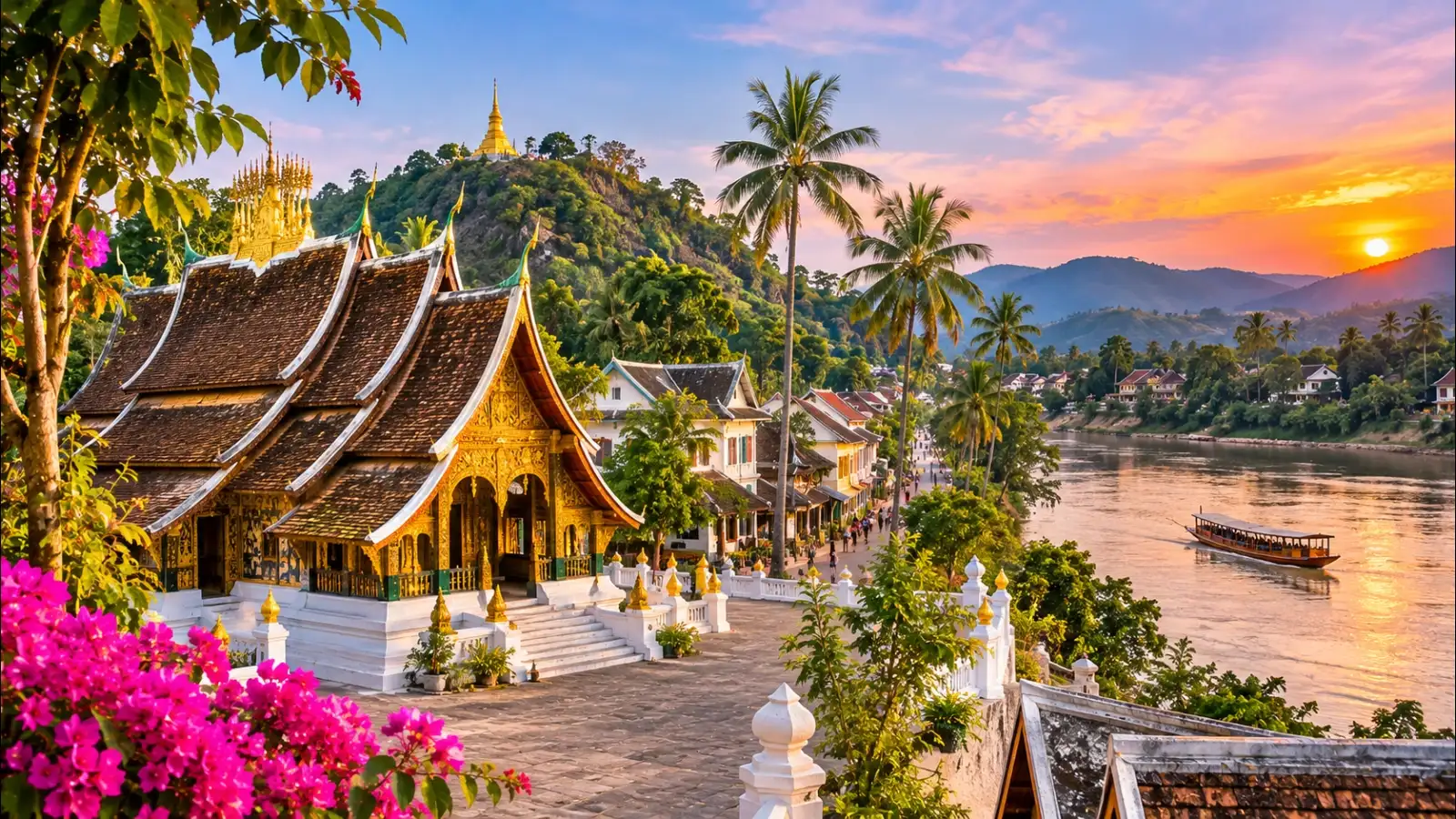
1. Explore the Historic Old Town
The Old Town is the heart of Luang Prabang and a wonderful starting point for exploring the city. Its streets feature traditional Lao houses, colonial-era buildings, small cafés and beautifully maintained temples.
Walking through this neighbourhood allows visitors to appreciate the city's architectural character. Many buildings combine traditional Lao design with French colonial influences, creating a distinctive streetscape. Take time to explore the quieter lanes, where everyday local life unfolds away from the main tourist areas.
2. Visit Wat Xieng Thong
Wat Xieng Thong is one of the most important and visually impressive Buddhist temples in Luang Prabang. Built in the 16th century, it is recognised for its sweeping roof, detailed decorations and beautiful mosaic work.
One of its most famous features is the Tree of Life mosaic on the rear wall of the main temple. The complex offers an insight into traditional Lao religious architecture and craftsmanship. Visitors should dress respectfully and follow the temple's entry guidelines.
3. Climb Mount Phousi for Panoramic Views
Mount Phousi rises above the centre of Luang Prabang and offers panoramic views of the city, surrounding hills and the Mekong River. A staircase leads to the summit, where visitors can explore small shrines and enjoy the scenery.
Sunset is a particularly popular time to visit because the changing light creates beautiful views across the landscape. Arriving early can help avoid some of the crowds.
4. Discover the Royal Palace Museum
The Royal Palace Museum was once the residence of the Lao royal family. Today, it houses collections of royal objects, religious artefacts, photographs and cultural exhibits.
The building itself is an interesting example of architectural influences that combine traditional Lao features with European design elements. Visitors can learn more about the country's monarchy, history and cultural traditions. Check opening arrangements before visiting, as access rules can change.
5. Experience the Morning Alms-Giving Ceremony
The morning alms-giving ceremony, known locally as Tak Bat, is an important Buddhist tradition in Luang Prabang. Monks walk through the streets in the early morning to receive food offerings from residents and visitors.
The ceremony is a religious practice rather than a tourist performance. Visitors who wish to observe should remain quiet, maintain a respectful distance and avoid using flash photography. Those who want to participate should follow local guidance and appropriate etiquette.
6. Visit the Beautiful Kuang Si Waterfalls
Located outside the city, Kuang Si Waterfalls is one of the most popular natural attractions near Luang Prabang. The water flows over several limestone levels, creating turquoise pools surrounded by tropical greenery.
Visitors can walk along the forest paths, enjoy the scenery and swim in designated areas when conditions permit. The journey from the city generally takes around 45 minutes to an hour, depending on traffic and transport.
7. Explore the Traditional Night Market
Luang Prabang's Night Market is a lively place to discover local handicrafts, textiles, souvenirs and street food. It is usually set up along the main street in the evening.
Visitors can browse handmade bags, scarves, wooden products and traditional decorations. The market is also a good place to experience the city's relaxed evening atmosphere and interact with local vendors.
8. Take a Boat Trip on the Mekong River
The Mekong River is closely connected with the history and daily life of Luang Prabang. A boat trip offers a different perspective of the city, its surrounding hills and riverside settlements.
Some excursions travel towards the Pak Ou Caves, a collection of caves containing thousands of Buddha images. These caves are an important religious and cultural site and are generally visited as part of a river journey.
9. Discover the Traditional Arts and Ethnology Centre
The Traditional Arts and Ethnology Centre provides an introduction to the diverse ethnic communities of Laos. Its exhibits showcase traditional clothing, handicrafts, household objects and cultural practices.
The centre helps visitors understand the country's cultural diversity beyond its temples and historic buildings. It is a useful stop for anyone interested in learning about local traditions and communities.
10. Visit the Pak Ou Caves
The Pak Ou Caves are located near the confluence of the Mekong and Nam Ou rivers, north of Luang Prabang. The site consists of two main caves filled with Buddha images of different sizes and styles.
The caves have long been an important place of worship for local communities. Visitors usually reach them by boat, making the journey itself an enjoyable part of the experience.
Best Time to Visit Luang Prabang
November to February is generally considered one of the most comfortable periods to explore Luang Prabang. The weather is relatively cool and dry, making it suitable for walking tours, temple visits and outdoor excursions.
March to May can be hot, while the rainy season usually extends from around May to October. During the monsoon, waterfalls may become more impressive, but heavy rainfall can affect road and river travel.
Travel Tips for Exploring Luang Prabang
- Wear modest clothing when visiting temples and religious sites.
- Carry comfortable walking shoes for exploring the Old Town and Mount Phousi.
- Start outdoor activities early to avoid the strongest afternoon heat.
- Use licensed local guides for cultural and historical tours.
- Respect local customs during religious ceremonies and photography.
- Carry some Lao kip for small purchases at markets and local shops.
- Check transport and weather conditions before planning trips outside the city.
Next Story