
True Mental Strength: 5 Habits That Can Be Harder Than a Headstand but Far More Important for Your Wellbeing

When people think of advanced yoga, their minds usually picture dramatic physical feats like balancing upside down in a headstand, contorting into intricate bends, or holding effortless arm balances. These impressive postures look striking on social media feeds and are often treated as the ultimate benchmark of personal strength and discipline. However, the true depth of holistic wellness has very little to do with physical flexibility or acrobatic poses. In a modern world filled with constant digital noise, endless notifications, and demanding work schedules, the most challenging obstacles we face are entirely internal. Learning to navigate quiet moments, emotional discomfort, and mental restlessness requires far more resilience than any physical exercise. Exploring five simple mental practices reveals why these subtle choices are harder than a headstand but far more important for your wellbeing.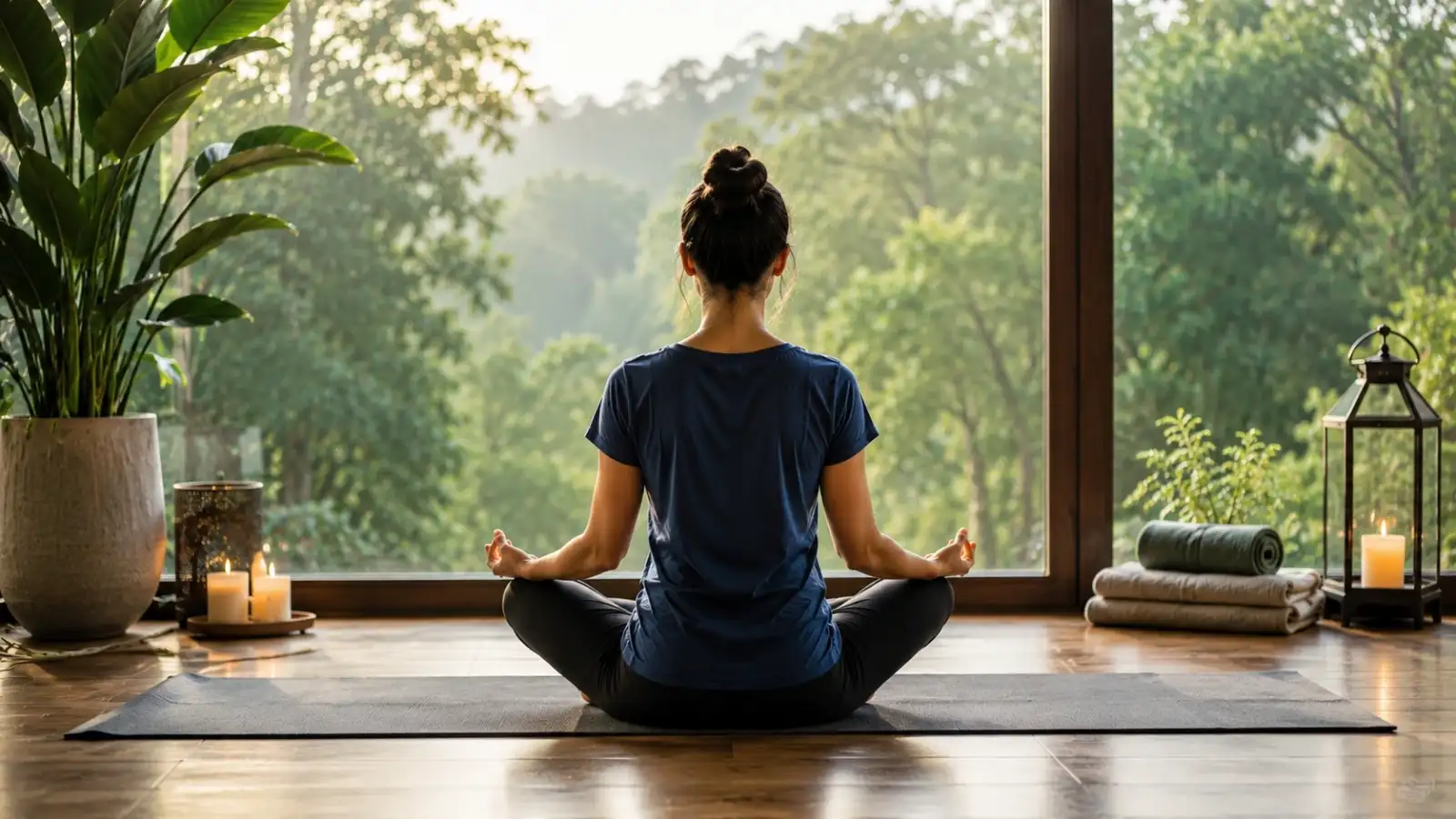
Resisting the urge to reach for your phone during quiet moments
Sitting in complete stillness for just five minutes without reaching for a smartphone has become surprisingly difficult for modern adults. The second a pause occurs in our daily schedule, our automatic reflex is to grab a digital device to scroll through social media or check messages. This subconscious habit is often a coping mechanism used to avoid feeling bored, anxious, or isolated. Resisting the impulse to grab a screen forces you to sit quietly with your own thoughts, observe your surroundings, and pay attention to your natural breathing patterns. Breaking this digital dependency builds true mental control, helping you remain present instead of constantly seeking cheap stimulation.Embracing rest without measuring your daily productivity
In today's fast-paced society, personal worth is frequently tied to how much work a person accomplishes in a single day. Because of this relentless push for efficiency, taking time off to do absolutely nothing can feel deeply uncomfortable or even guilt-inducing. However, view rest not as wasted time, but as an essential process for long-term health and mental recovery. Giving yourself permission to pause without feeling obligated to produce results helps lower internal stress levels. Accepting that unstructured downtime is a valid choice frees you from the exhausting cycle of constant accomplishment.You may also like
- In Pune's Camp area, Solanki Booksellers has become an iconic landmark for bibliophiles
- Hip-hop artiste Addy TPC on Blitz 26: Consistency has become my biggest creative statement
- A Wallet for Daughters: Invest just ₹250 and get ₹40 lakh through a government scheme..
- Who Can and Cannot Donate Blood? Essential Health Rules and Criteria Explained
- Turmeric for Wounds: Is Applying Haldi Safe for Every Cut, Here Is What Experts Say
Sitting with physical and emotional discomfort instead of escaping
When practicing poses like the pigeon pose, tight hips often bring strong sensations of discomfort. The immediate natural instinct is to back out of the stretch or quit the pose entirely to find instant relief. While sharp physical pain should always be respected to prevent injury, mild discomfort provides a valuable opportunity for self-observation. Staying still in a challenging pose allows you to notice how your mind reacts to friction, revealing whether your urge to escape is physical or emotional. Learning to stay calm during minor discomfort builds valuable emotional endurance that carries over into stressful real-life situations.Remaining still during extended yin poses to build patience
Holding a yin yoga position for four full minutes can feel like an eternity when your body wants to fidget or adjust. Yin practices ask you to slow down and hold postures far longer than standard movement routines. Instead of instantly reacting to every physical itch, twitch, or wandering thought, the challenge is to observe those sensations neutrally without forcing your body deeper. This deliberate stillness teaches patience, strengthens self-awareness, and helps your nervous system settle into profound relaxation.Finding true mental quiet inside the final savasana pose
The final relaxation pose, savasana, looks like the easiest part of any yoga routine because it simply involves lying flat on your back. Yet, for many people, it is the most difficult minute of the entire class. The moment your body stops moving, your internal to-do list, unread emails, and past conversations start racing through your mind. Allowing silence to exist without trying to solve problems or organize tomorrow requires real mental focus. Embracing savasana fully helps you master the art of stepping back, releasing mental control, and simply being present in the moment.Cultivating long-term wellbeing through small daily choices
Ultimately, mastering physical acrobatics is far less important than developing a calm, balanced mind. Practicing stillness, accepting rest, and facing discomfort will transform your daily life far more than balancing on your head ever could. By choosing these simple mental habits, you build an enduring foundation of resilience, self-awareness, and lasting inner peace.





Loving Newspoint? Download the app now
