
Halloween 2026: Why 31 October Is Celebrated Around the World

Halloween is celebrated every year on 31 October and is known for its spooky costumes, carved pumpkins, themed decorations, horror films and trick-or-treating. What began as a festival shaped by ancient European traditions has gradually developed into a popular cultural celebration, particularly in the United States, Ireland, the United Kingdom and Canada. Today, people of different ages participate in Halloween activities, from attending costume parties to decorating their homes with bats, skeletons, witches and glowing lanterns.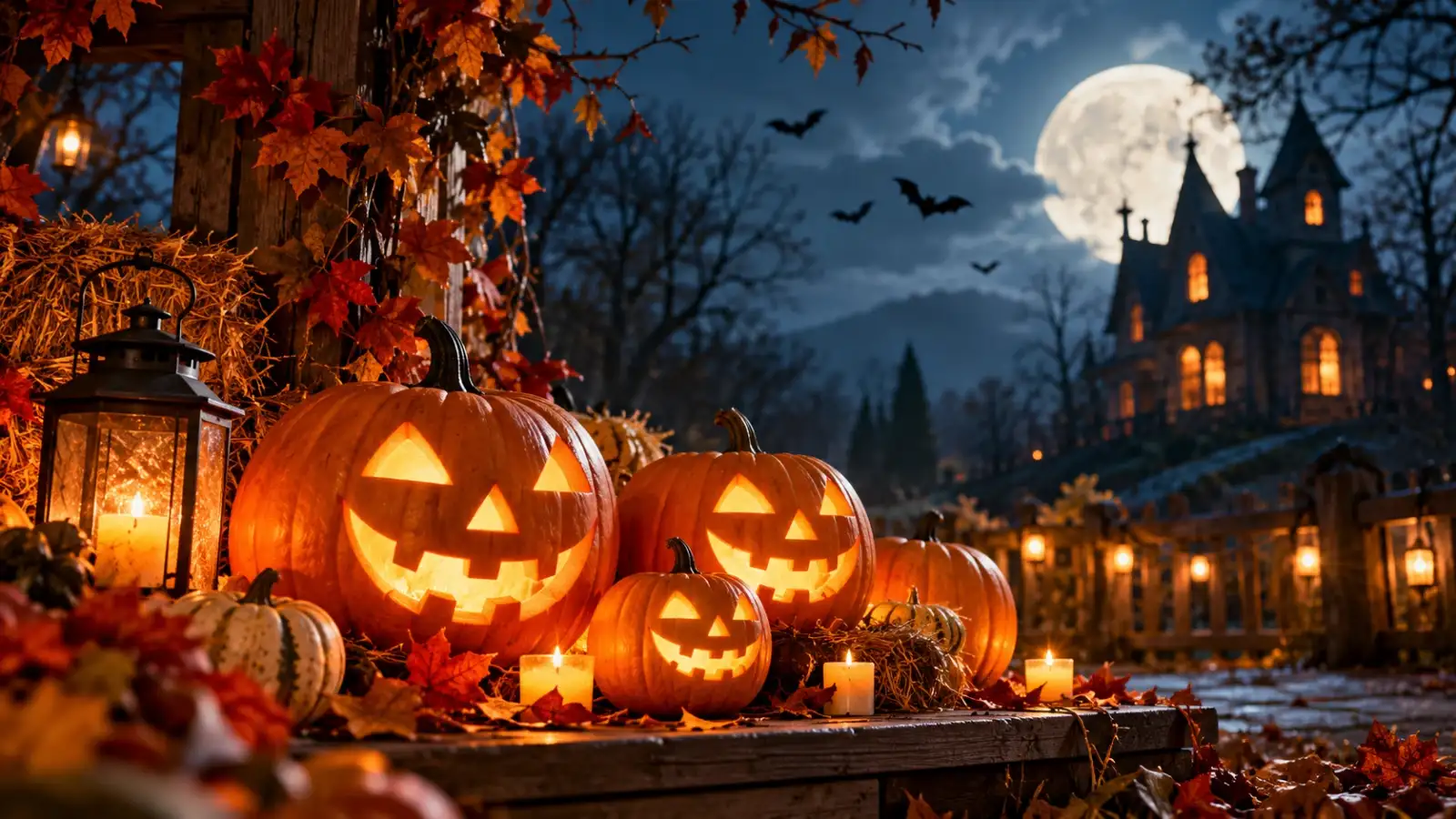
In 2026, Halloween falls on Saturday, 31 October. The occasion is associated with mystery, folklore and stories about spirits, although modern celebrations are largely centred on entertainment, creativity and community activities. For children, it often means dressing up and collecting sweets, while adults may organise themed gatherings, visit haunted attractions or enjoy seasonal food. The festival's long history reflects the way older customs have evolved into a modern celebration recognised across many parts of the world.
Over time, these traditions blended with Christian observances. All Saints' Day is celebrated on 1 November, while All Souls' Day falls on 2 November in the Western Christian calendar. The evening before All Saints' Day became known as All Hallows' Eve, a name that eventually developed into Halloween.
The festival later spread to North America through migration, particularly the arrival of Irish and Scottish communities. During the 19th and 20th centuries, Halloween increasingly became a community-oriented celebration involving parties, costumes, games and seasonal decorations.
The custom has historical connections with European traditions in which people wore disguises during seasonal festivities. Over time, costume-wearing became a form of entertainment rather than a practice centred on older supernatural beliefs.
Many families now plan costumes together, while schools, workplaces and local communities organise themed events. Some people prefer elaborate outfits, while others choose simple accessories or creative makeup to mark the occasion.
Its history is linked to several older European practices, including souling, in which people visited homes and received food in exchange for prayers for the dead. The modern version became especially popular in North America during the 20th century.
For families participating in trick-or-treating, basic precautions are important. Children should be accompanied by a responsible adult where appropriate, use well-lit routes, cross roads carefully and accept only treats from trusted sources. Reflective accessories can also help improve visibility after dark.
The tradition has roots in Irish and Scottish folklore, where people carved turnips and other vegetables into lanterns. When the custom travelled to North America, pumpkins became a popular choice because they were widely available and easier to carve.
Today, pumpkin carving is a popular family activity. Designs range from simple smiling faces to intricate patterns, and pumpkins are often displayed on doorsteps, windowsills and garden paths. Artificial lanterns are another option for people who prefer decorations without open flames.
In other countries, Halloween has gained popularity through themed entertainment, shopping events, school activities and social media. In India, some schools, restaurants, shopping centres and private communities organise costume parties and themed gatherings, particularly in larger cities. However, Halloween is not a traditional nationwide festival in India, and participation varies between communities.
The celebration has also become an opportunity for businesses and creators to introduce seasonal decorations, themed menus, costumes and entertainment experiences.
The original jack-o'-lantern tradition used vegetables such as turnips before pumpkins became popular in North America. Meanwhile, trick-or-treating developed from a combination of older European customs and modern community celebrations.
Halloween has also become closely associated with horror entertainment. Television channels, cinemas and streaming platforms often feature scary films and supernatural stories around the date, making horror viewing another familiar part of the season.
Its history shows how cultural traditions can change over time while retaining familiar symbols and activities. Whether celebrated with a costume party, a pumpkin lantern or a horror film night, Halloween remains a distinctive event in the autumn calendar.
In 2026, Halloween falls on Saturday, 31 October. The occasion is associated with mystery, folklore and stories about spirits, although modern celebrations are largely centred on entertainment, creativity and community activities. For children, it often means dressing up and collecting sweets, while adults may organise themed gatherings, visit haunted attractions or enjoy seasonal food. The festival's long history reflects the way older customs have evolved into a modern celebration recognised across many parts of the world.
What Is the History of Halloween?
Halloween's origins are commonly traced to Samhain, an ancient Celtic festival associated with the end of the harvest and the beginning of winter. It was observed in parts of what are now Ireland, the United Kingdom and northern France. Traditional accounts describe bonfires and customs connected with beliefs about the relationship between the living and the dead.Over time, these traditions blended with Christian observances. All Saints' Day is celebrated on 1 November, while All Souls' Day falls on 2 November in the Western Christian calendar. The evening before All Saints' Day became known as All Hallows' Eve, a name that eventually developed into Halloween.
The festival later spread to North America through migration, particularly the arrival of Irish and Scottish communities. During the 19th and 20th centuries, Halloween increasingly became a community-oriented celebration involving parties, costumes, games and seasonal decorations.
Why Do People Wear Costumes on Halloween?
Costumes are among the most recognisable features of Halloween. Traditional outfits often draw inspiration from ghosts, witches, vampires and other supernatural characters. Today, the choices are much broader, ranging from fictional superheroes and film characters to funny outfits, animals and imaginative homemade designs.The custom has historical connections with European traditions in which people wore disguises during seasonal festivities. Over time, costume-wearing became a form of entertainment rather than a practice centred on older supernatural beliefs.
Many families now plan costumes together, while schools, workplaces and local communities organise themed events. Some people prefer elaborate outfits, while others choose simple accessories or creative makeup to mark the occasion.
What Is Trick-or-Treating?
Trick-or-treating is a Halloween tradition in which children dress up and visit homes in their neighbourhoods to ask for sweets or other small treats. The phrase refers to the playful exchange associated with the custom, although modern events generally focus on collecting treats rather than playing tricks.Its history is linked to several older European practices, including souling, in which people visited homes and received food in exchange for prayers for the dead. The modern version became especially popular in North America during the 20th century.
For families participating in trick-or-treating, basic precautions are important. Children should be accompanied by a responsible adult where appropriate, use well-lit routes, cross roads carefully and accept only treats from trusted sources. Reflective accessories can also help improve visibility after dark.
Why Are Pumpkins Associated With Halloween?
Carved pumpkins, commonly known as jack-o'-lanterns, have become a central symbol of Halloween. People hollow out pumpkins, carve faces into their skins and place lights inside to create glowing decorations.The tradition has roots in Irish and Scottish folklore, where people carved turnips and other vegetables into lanterns. When the custom travelled to North America, pumpkins became a popular choice because they were widely available and easier to carve.
Today, pumpkin carving is a popular family activity. Designs range from simple smiling faces to intricate patterns, and pumpkins are often displayed on doorsteps, windowsills and garden paths. Artificial lanterns are another option for people who prefer decorations without open flames.
How Is Halloween Celebrated Around the World?
Halloween is celebrated differently depending on local culture and customs. In the United States and Canada, trick-or-treating, costume parties and decorated houses are common. Ireland and the United Kingdom also observe Halloween through parties, seasonal games, bonfires in some areas and community events.In other countries, Halloween has gained popularity through themed entertainment, shopping events, school activities and social media. In India, some schools, restaurants, shopping centres and private communities organise costume parties and themed gatherings, particularly in larger cities. However, Halloween is not a traditional nationwide festival in India, and participation varies between communities.
The celebration has also become an opportunity for businesses and creators to introduce seasonal decorations, themed menus, costumes and entertainment experiences.
Interesting Facts About Halloween
Halloween has several traditions that developed over centuries. The word itself comes from the phrase All Hallows' Eve, referring to the evening before All Saints' Day.The original jack-o'-lantern tradition used vegetables such as turnips before pumpkins became popular in North America. Meanwhile, trick-or-treating developed from a combination of older European customs and modern community celebrations.
Halloween has also become closely associated with horror entertainment. Television channels, cinemas and streaming platforms often feature scary films and supernatural stories around the date, making horror viewing another familiar part of the season.
Conclusion
Halloween 2026 will be celebrated on Saturday, 31 October, bringing together traditions that combine folklore, seasonal customs and modern entertainment. From costumes and carved pumpkins to trick-or-treating and themed parties, the occasion offers different ways for people to participate.Its history shows how cultural traditions can change over time while retaining familiar symbols and activities. Whether celebrated with a costume party, a pumpkin lantern or a horror film night, Halloween remains a distinctive event in the autumn calendar.
Next Story