
Curd Benefits: Why This Everyday Food Can Be Part of a Balanced Diet

Curd is a common ingredient in many Indian meals, served with rice, parathas, vegetables or fruit. It is made by fermenting milk with suitable bacterial cultures, producing its familiar tangy flavour and thick texture.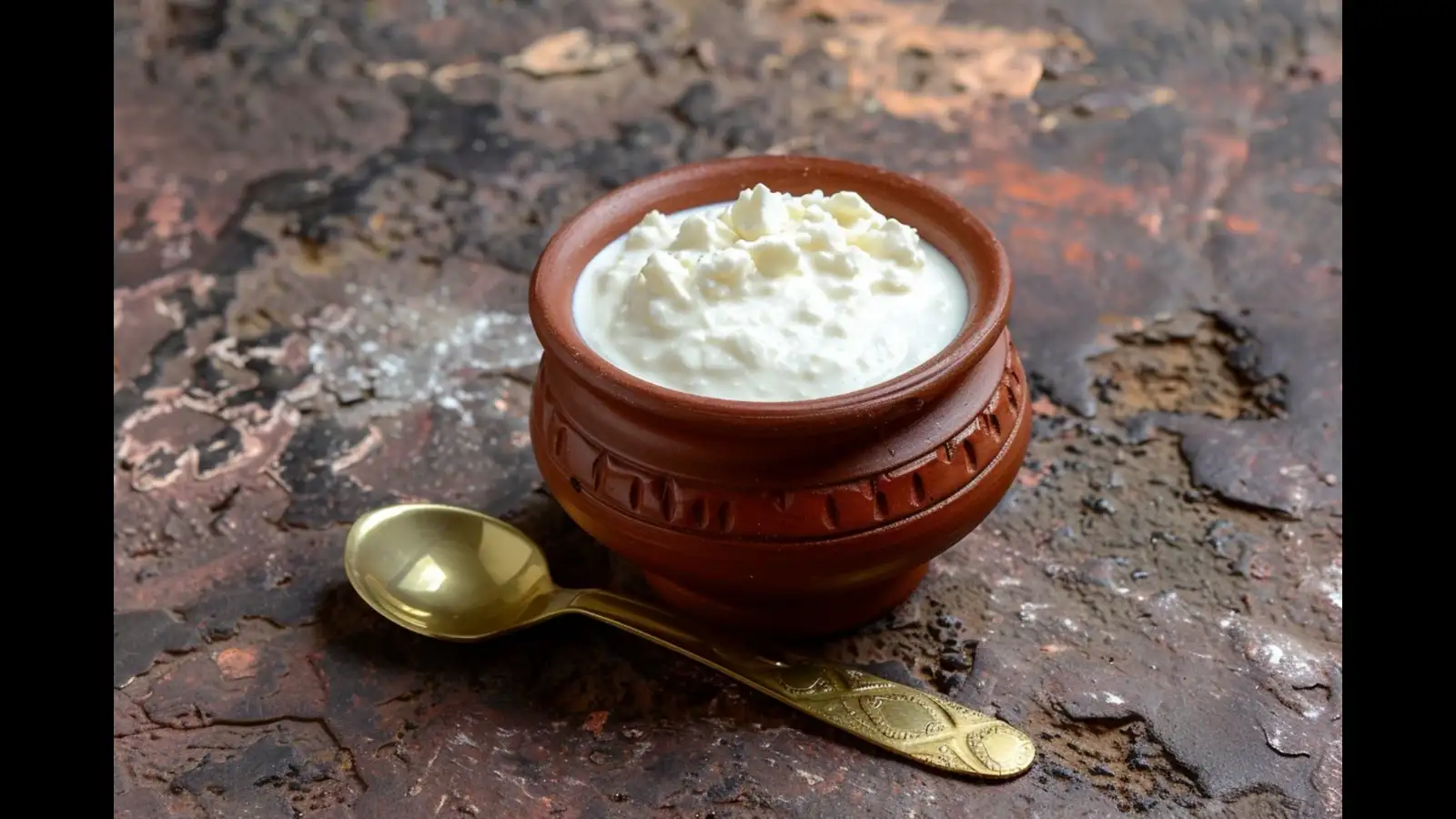
Curd can provide protein, calcium and other nutrients, although its exact nutritional content depends on the type of milk and preparation method. Including it in a varied diet can be a convenient way to add dairy to everyday meals.
Curd can contribute to calcium intake, alongside other foods such as milk, cheese and suitable calcium-fortified alternatives.
The amount of calcium in curd varies with the milk used and how the product is prepared. People who avoid dairy can explore other calcium sources according to their dietary requirements.
Protein needs vary according to age, body size, activity and health status. Curd can contribute to daily intake, but it should not be the only source.
Combining it with pulses, beans, nuts, seeds and other suitable foods can help create a varied eating pattern.
However, tolerance differs from person to person, and curd is not necessarily lactose-free. Anyone who experiences symptoms should consider the type and amount consumed and seek professional advice if symptoms persist.
A milk allergy is different from lactose intolerance. People with a milk allergy should not assume that curd is safe because it has been fermented.
However, not every product contains the same strains or amounts of live cultures, and not every fermented food has a proven probiotic effect.
The term 'probiotic' is best reserved for live microorganisms shown to provide a health benefit when consumed in adequate amounts. Ordinary curd should not automatically be assumed to deliver a specific medical benefit.
Serve it with a meal, combine it with chopped cucumber for raita or add fruit for a simple snack. It can also be used as an ingredient in marinades, dressings and certain cooked dishes.
Sweetened or flavoured products may contain added sugar, so check the label if you are monitoring sugar intake.
For homemade curd, use clean equipment and handle the milk safely during preparation. Discard the product if it develops an unusual smell, appearance or signs of spoilage.
People who are pregnant, immunocompromised or otherwise medically vulnerable should follow appropriate food-safety advice and choose dairy products prepared and stored safely.
It does not cure digestive disorders or guarantee better immunity. Choosing a suitable product and eating it alongside a variety of nutritious foods is a more practical approach than relying on any single ingredient for health benefits.
Curd can provide protein, calcium and other nutrients, although its exact nutritional content depends on the type of milk and preparation method. Including it in a varied diet can be a convenient way to add dairy to everyday meals.
1. Provides Calcium
Calcium is needed for healthy bones and teeth and plays a role in normal muscle function and nerve signalling.Curd can contribute to calcium intake, alongside other foods such as milk, cheese and suitable calcium-fortified alternatives.
The amount of calcium in curd varies with the milk used and how the product is prepared. People who avoid dairy can explore other calcium sources according to their dietary requirements.
2. Supplies Protein
Milk-based curd contains protein, which the body uses for tissue maintenance and repair.Protein needs vary according to age, body size, activity and health status. Curd can contribute to daily intake, but it should not be the only source.
Combining it with pulses, beans, nuts, seeds and other suitable foods can help create a varied eating pattern.
3. May Be Easier to Tolerate Than Milk for Some People
Fermentation changes the composition of milk and reduces some of its lactose. As a result, certain people with lactose intolerance may tolerate yoghurt-like products better than ordinary milk.However, tolerance differs from person to person, and curd is not necessarily lactose-free. Anyone who experiences symptoms should consider the type and amount consumed and seek professional advice if symptoms persist.
A milk allergy is different from lactose intolerance. People with a milk allergy should not assume that curd is safe because it has been fermented.
4. Understand Its Bacterial Cultures
Curd is produced using bacterial cultures that ferment milk. Some fermented dairy products contain live microorganisms at the time they are eaten.However, not every product contains the same strains or amounts of live cultures, and not every fermented food has a proven probiotic effect.
The term 'probiotic' is best reserved for live microorganisms shown to provide a health benefit when consumed in adequate amounts. Ordinary curd should not automatically be assumed to deliver a specific medical benefit.
You may also like
- Essential Skincare Tips for Winter: Keep Your Skin Healthy
- Why 333 is called a growth number: How to know its importance in yourlife if its message resonates with you
- Building Stronger Parent-Child Relationships Through Apologies
- "If we apologize, the child will walk all over us!" It is this stubbornness on the part of parents that hollows out relationships..
- Gen-Z Embraces IV Drips for Energy Boost During Navratri Festivities
5. Choose Plain Curd When Appropriate
Plain curd can be used in several ways without adding large amounts of sugar.Serve it with a meal, combine it with chopped cucumber for raita or add fruit for a simple snack. It can also be used as an ingredient in marinades, dressings and certain cooked dishes.
Sweetened or flavoured products may contain added sugar, so check the label if you are monitoring sugar intake.
6. Store Curd Safely
Keep curd refrigerated and follow the storage instructions on the package. Use clean utensils to take out portions and avoid leaving dairy foods at room temperature for extended periods.For homemade curd, use clean equipment and handle the milk safely during preparation. Discard the product if it develops an unusual smell, appearance or signs of spoilage.
People who are pregnant, immunocompromised or otherwise medically vulnerable should follow appropriate food-safety advice and choose dairy products prepared and stored safely.
Make Curd Part of a Varied Diet
Curd is a versatile food that can contribute calcium and protein to everyday meals. Its value depends on the overall diet, portion size and individual tolerance.It does not cure digestive disorders or guarantee better immunity. Choosing a suitable product and eating it alongside a variety of nutritious foods is a more practical approach than relying on any single ingredient for health benefits.






Loving Newspoint? Download the app now
