
Oats Benefits: Why This Everyday Breakfast Ingredient Deserves Your Attention

Oats have become a popular breakfast choice for people looking for convenient and versatile ingredients. They can be prepared as porridge, added to smoothies or used in savoury dishes and homemade snacks. Their nutritional value makes them a useful option for those trying to include more whole grains in their everyday meals.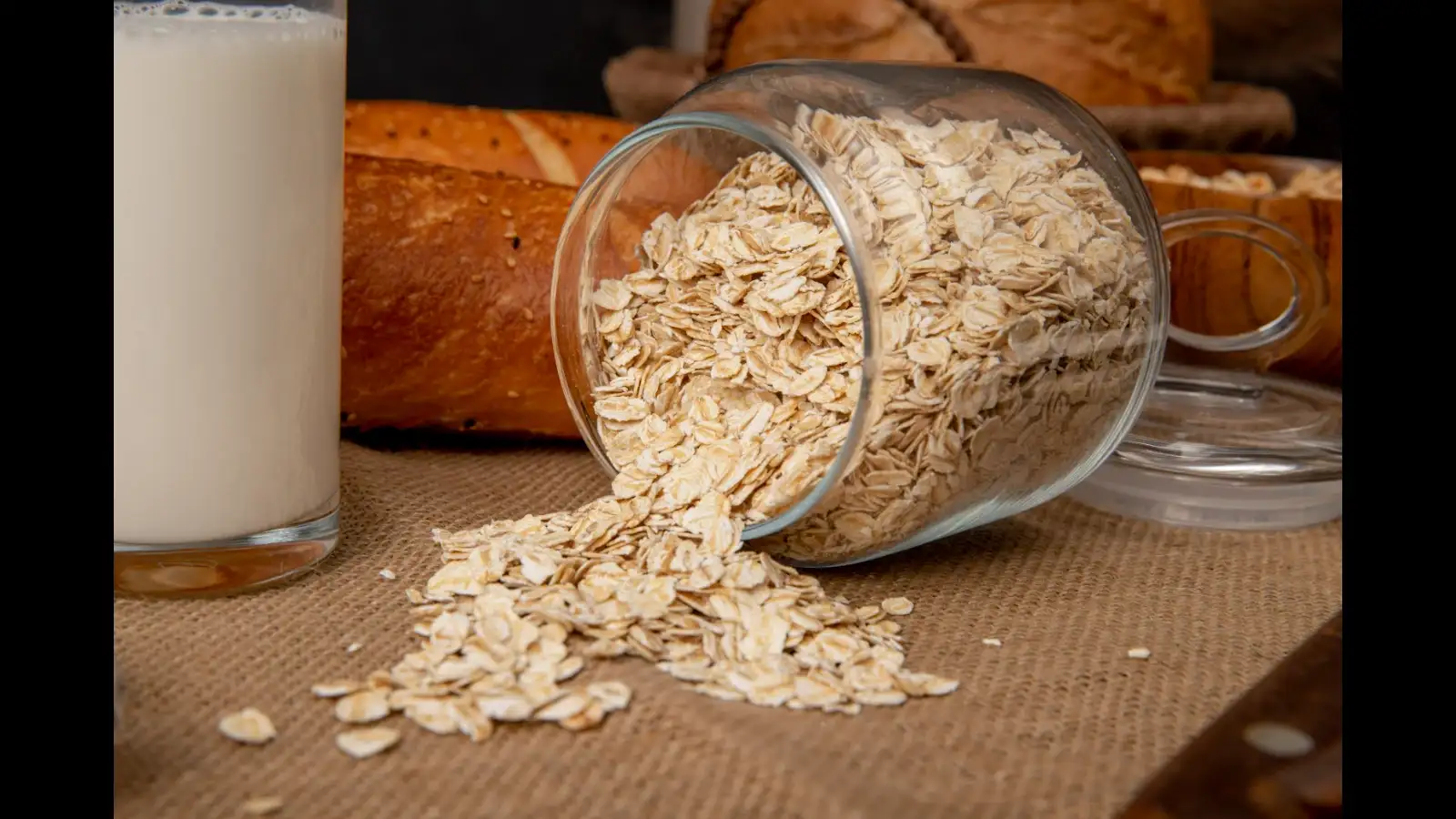
Oats provide carbohydrates, fibre and some protein, along with several vitamins and minerals. One of their notable components is beta-glucan, a type of soluble fibre associated with maintaining healthy cholesterol levels when consumed as part of an appropriate diet.
Beta-glucan absorbs water and forms a thicker consistency during digestion. This property can contribute to feelings of fullness, although the effect varies according to the meal and the individual.
Pairing oats with fruit, nuts or seeds can increase the variety of nutrients in breakfast. People who are not accustomed to eating much fibre can increase their intake gradually and drink enough water.
Oats are most useful when they replace less nutritious choices rather than simply being added to an already excessive diet. Preparing them with minimal added sugar and choosing suitable toppings can make a difference.
They should not be treated as a replacement for prescribed cholesterol medication or medical advice.
For a savoury meal, cook oats with vegetables, cumin and other mild spices. This creates an alternative to sweet porridge and allows you to use ingredients already available in the kitchen.
Flavoured instant sachets may contain sweeteners or other additions, so check the ingredient list and nutrition label before purchasing.
People with coeliac disease or gluten sensitivity should look for appropriately labelled gluten-free oats, as contamination can occur during processing.
Choose preparation methods that suit your preferences and dietary needs. A simple bowl of oats with fruit and nuts can be a practical breakfast, while savoury oats offer another way to vary everyday meals.
The best approach is to use oats as one component of a balanced diet rather than relying on them for a specific health outcome.
Oats provide carbohydrates, fibre and some protein, along with several vitamins and minerals. One of their notable components is beta-glucan, a type of soluble fibre associated with maintaining healthy cholesterol levels when consumed as part of an appropriate diet.
1. Oats Provide Dietary Fibre
Dietary fibre supports normal digestion and helps maintain bowel regularity. Oats contain both soluble and insoluble fibre, making them a useful addition to a varied eating pattern.Beta-glucan absorbs water and forms a thicker consistency during digestion. This property can contribute to feelings of fullness, although the effect varies according to the meal and the individual.
Pairing oats with fruit, nuts or seeds can increase the variety of nutrients in breakfast. People who are not accustomed to eating much fibre can increase their intake gradually and drink enough water.
2. They Can Support Heart-Healthy Eating
The beta-glucan in oats has been studied for its role in helping lower LDL cholesterol. However, the overall effect depends on the amount consumed and the rest of the diet.Oats are most useful when they replace less nutritious choices rather than simply being added to an already excessive diet. Preparing them with minimal added sugar and choosing suitable toppings can make a difference.
They should not be treated as a replacement for prescribed cholesterol medication or medical advice.
3. Oats Offer Breakfast Versatility
Plain oats can be combined with milk or a suitable fortified alternative to make a warm breakfast. They can also be soaked overnight with yoghurt and fruit for a chilled option.You may also like
- Overthinking – The Modern Epidemic
- Beyond the Bend: The Divine Truth About Death
- Hair straightening: Why some countries have taken strict action against Keratin hair treatments
- Telangana man saves every Rs 10 coin for 3 years, buys scooter worth Rs 1.23 lakh; showroom staff take 2 hours to count them
- “How will they ever know who's their friend?”: Pitbull reveals why he keeps his children out of the spotlight; what modern parents can learn
For a savoury meal, cook oats with vegetables, cumin and other mild spices. This creates an alternative to sweet porridge and allows you to use ingredients already available in the kitchen.
4. Choose the Right Type of Oats
Steel-cut, rolled and instant oats differ in processing, texture and cooking time. Plain varieties generally make it easier to control added sugar and salt.Flavoured instant sachets may contain sweeteners or other additions, so check the ingredient list and nutrition label before purchasing.
People with coeliac disease or gluten sensitivity should look for appropriately labelled gluten-free oats, as contamination can occur during processing.
5. Make Oats Part of a Balanced Diet
Oats are nutritious, but no single ingredient can provide every nutrient the body needs. Include vegetables, fruit, pulses, suitable protein sources and other whole grains throughout the week.Choose preparation methods that suit your preferences and dietary needs. A simple bowl of oats with fruit and nuts can be a practical breakfast, while savoury oats offer another way to vary everyday meals.
The best approach is to use oats as one component of a balanced diet rather than relying on them for a specific health outcome.






Loving Newspoint? Download the app now
