
Healthy Habits: 5 Strategies To Steer Your Child Clear Of Junk Food

In today's fast-paced world, the availability and convenience of junk food can make it challenging for parents to encourage healthy eating habits in their children. However, instilling good nutrition from a young age is essential for their overall well-being and long-term health. By implementing effective strategies and creating a supportive environment, you can help your child develop a positive relationship with food and steer them away from the pitfalls of junk food.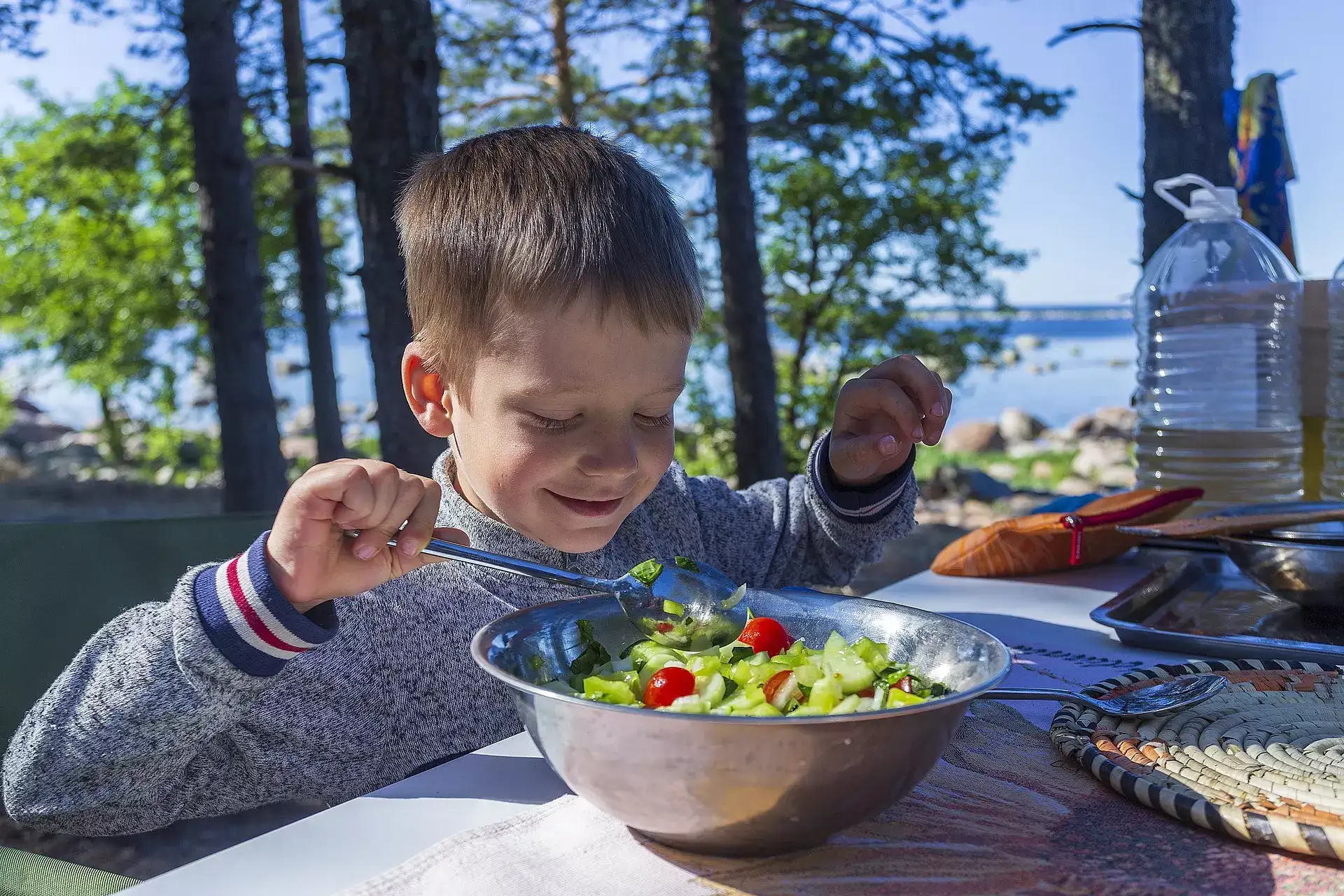
Promoting healthy eating habits in children is an ongoing process that requires patience, consistency, and dedication. By implementing these five tips and creating a supportive environment, you can help your child develop a lifelong appreciation for nutritious foods and reduce their reliance on junk food. Remember to lead by example, educate about nutritional value, set clear boundaries, and encourage positive reinforcement to lay the foundation for a healthy relationship with food. With your guidance and support, your child can grow up to be happy, healthy, and well-nourished.
1. Lead by Example
Children learn by observing the behaviour of adults around them, so it's crucial to lead by example when it comes to food choices. Make an effort to model healthy eating habits by incorporating plenty of fruits, vegetables, whole grains, and lean proteins into your own diet. Avoid keeping junk food in the house and opt for nutritious snacks like fresh fruit, nuts, or yoghurt. By demonstrating a positive attitude towards healthy eating, you'll inspire your child to follow suit.
2. Create a Nutritious Environment
Set the stage for healthy eating by creating a supportive environment at home. Stock your kitchen with wholesome ingredients and limit the presence of sugary, high-fat snacks. Keep a variety of healthy options readily available, such as pre-cut veggies with hummus, whole-grain crackers with cheese, or homemade fruit smoothies. Encourage your child to participate in meal planning and preparation, empowering them to make nutritious choices and develop essential cooking skills.
3. Educate About Nutritional Value
Teach your child about the nutritional value of different foods and the importance of making healthy choices. Engage them in conversations about the benefits of eating a balanced diet, such as providing energy for play and supporting growth and development. Use age-appropriate resources, such as children's books, interactive websites, or educational videos, to reinforce key concepts about nutrition and encourage mindful eating habits. By fostering an understanding of food beyond taste alone, you'll empower your child to make informed decisions about what they eat.
4. Set Clear Boundaries
Establish clear boundaries around junk food consumption to help your child understand the importance of moderation. While occasional treats are acceptable, it's essential to set limits on the frequency and quantity of junk food intake. Create guidelines for when and where junk food is allowed, such as limiting it to special occasions or incorporating it as part of a balanced meal. Encourage your child to savour and enjoy indulgent treats mindfully, rather than consuming them impulsively.
5. Encourage Positive Reinforcement
Reward your child for making healthy choices and demonstrate appreciation for their efforts to avoid junk food. Offer praise and encouragement when they opt for nutritious snacks or show interest in trying new foods. Consider implementing a reward system, such as earning stickers or privileges for meeting dietary goals or trying a new healthy recipe. By focusing on positive reinforcement rather than punishment, you'll foster a supportive environment that encourages your child to make healthier choices consistently.
Promoting healthy eating habits in children is an ongoing process that requires patience, consistency, and dedication. By implementing these five tips and creating a supportive environment, you can help your child develop a lifelong appreciation for nutritious foods and reduce their reliance on junk food. Remember to lead by example, educate about nutritional value, set clear boundaries, and encourage positive reinforcement to lay the foundation for a healthy relationship with food. With your guidance and support, your child can grow up to be happy, healthy, and well-nourished.
1. Lead by Example
Children learn by observing the behaviour of adults around them, so it's crucial to lead by example when it comes to food choices. Make an effort to model healthy eating habits by incorporating plenty of fruits, vegetables, whole grains, and lean proteins into your own diet. Avoid keeping junk food in the house and opt for nutritious snacks like fresh fruit, nuts, or yoghurt. By demonstrating a positive attitude towards healthy eating, you'll inspire your child to follow suit.
You may also like
- 7 Powerful Ingredients in This Hair Growth Laddu
- Oats and green vegetables help in weight loss by controlling appetite
- What Happens When You Eat 1 Pomegranate Daily, 6 Powerful Health Benefits
- Taking Medicines After Drinking Alcohol, Top Doctors Warn of Deadly Liver and Heart Risks
- Can Protein Shakes Alone Build Muscle, Bust Superfood Myths and Expensive Fitness Fads
2. Create a Nutritious Environment
Set the stage for healthy eating by creating a supportive environment at home. Stock your kitchen with wholesome ingredients and limit the presence of sugary, high-fat snacks. Keep a variety of healthy options readily available, such as pre-cut veggies with hummus, whole-grain crackers with cheese, or homemade fruit smoothies. Encourage your child to participate in meal planning and preparation, empowering them to make nutritious choices and develop essential cooking skills.
3. Educate About Nutritional Value
Teach your child about the nutritional value of different foods and the importance of making healthy choices. Engage them in conversations about the benefits of eating a balanced diet, such as providing energy for play and supporting growth and development. Use age-appropriate resources, such as children's books, interactive websites, or educational videos, to reinforce key concepts about nutrition and encourage mindful eating habits. By fostering an understanding of food beyond taste alone, you'll empower your child to make informed decisions about what they eat.
4. Set Clear Boundaries
Establish clear boundaries around junk food consumption to help your child understand the importance of moderation. While occasional treats are acceptable, it's essential to set limits on the frequency and quantity of junk food intake. Create guidelines for when and where junk food is allowed, such as limiting it to special occasions or incorporating it as part of a balanced meal. Encourage your child to savour and enjoy indulgent treats mindfully, rather than consuming them impulsively.
5. Encourage Positive Reinforcement
Reward your child for making healthy choices and demonstrate appreciation for their efforts to avoid junk food. Offer praise and encouragement when they opt for nutritious snacks or show interest in trying new foods. Consider implementing a reward system, such as earning stickers or privileges for meeting dietary goals or trying a new healthy recipe. By focusing on positive reinforcement rather than punishment, you'll foster a supportive environment that encourages your child to make healthier choices consistently.






Loving Newspoint? Download the app now
