
Heart-Healthy Breakfast: 7 Simple Changes to Make Your Morning Meals Healthier

Breakfast is often built around familiar favourites such as poha, idli, dosa, cereal and stuffed parathas. While these dishes can be part of a balanced diet, the ingredients and cooking methods used to prepare them can make a significant difference. Meals high in refined carbohydrates, excess salt, added sugar and unhealthy fats may not support long-term heart health. The good news is that you do not need to give up your favourite Indian breakfast foods. A few thoughtful changes, including adding vegetables, choosing whole fruits and reducing salt, can help make your morning meals more balanced.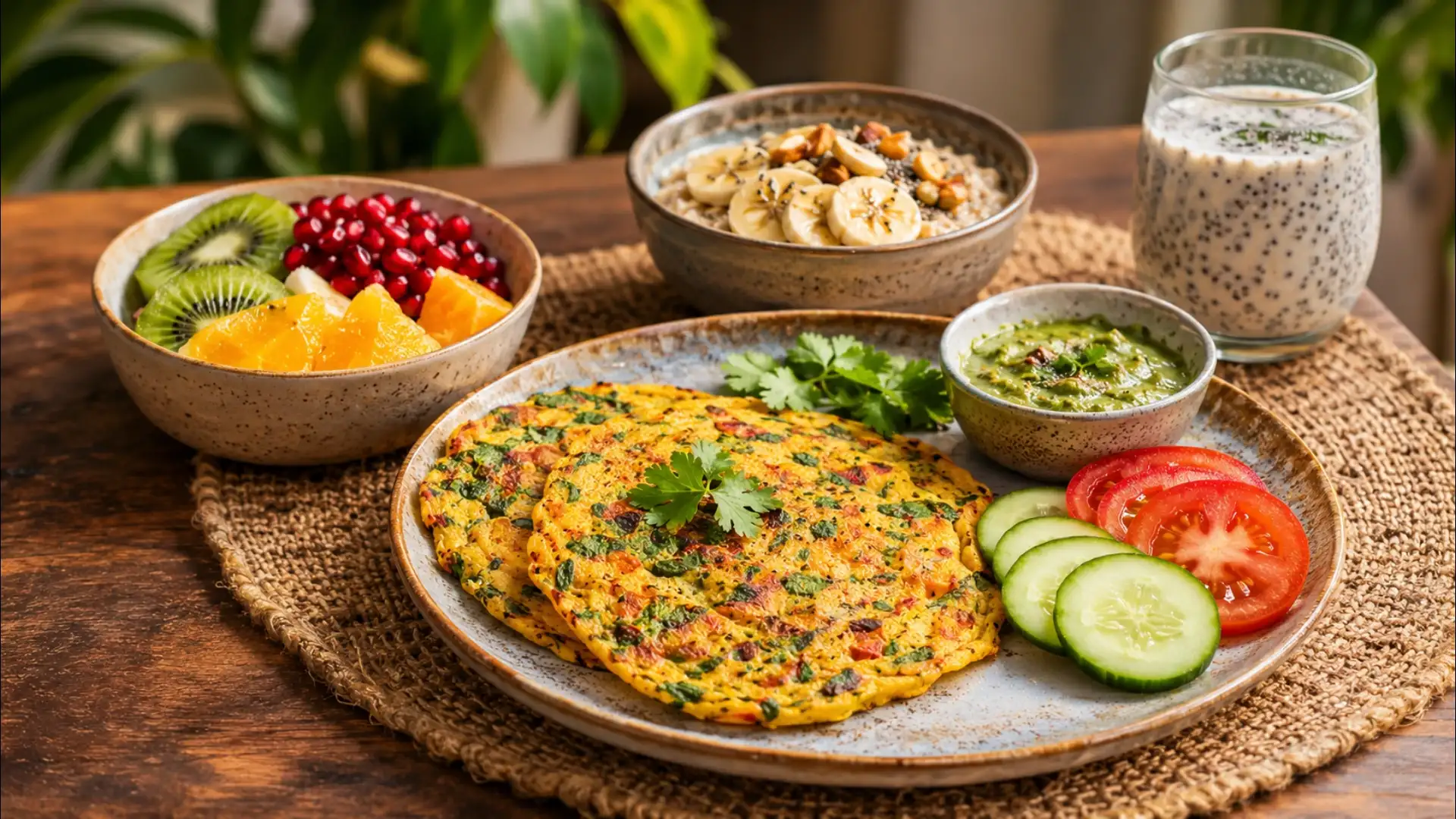
“We should not add extra salt, extra fried items or extra pickles, or prepare them by deep frying. For idli and dosa, we can use healthy cereals like ragi or millets, which are rich in calcium and magnesium. Protein cheela is also a healthy option,” he said.
He also advises avoiding coconut and palm oils as everyday cooking choices. Instead, use suitable unsaturated vegetable oils in moderate quantities.
“When it comes to packaged foods, processed foods are high in sodium, so we should check the sodium content and whether the products are trans fat-free,” he said.
Oats with curd or yoghurt can be another breakfast option. However, check the ingredients of granola and cornflakes, as some varieties contain considerable added sugar, fat or sodium.
Be mindful of smoothies too. Large portions and added sweeteners can increase their sugar content.
Making these small changes can help turn familiar breakfast dishes into more nutritious meals while keeping your daily food choices enjoyable.
How Can Indian Breakfasts Become More Heart-Friendly?
You do not have to abandon traditional dishes such as poha, paratha and idli to follow a heart-conscious diet. According to Dr Mitesh B. Sharma, cardiac surgeon and director of CTVS at Kailash Deepak Hospital, these can be healthy options when prepared appropriately.“We should not add extra salt, extra fried items or extra pickles, or prepare them by deep frying. For idli and dosa, we can use healthy cereals like ragi or millets, which are rich in calcium and magnesium. Protein cheela is also a healthy option,” he said.
Choose Healthier Cooking Methods
How you prepare breakfast matters as much as what you eat. Dr Sharma recommends using minimal oil and avoiding excess starch and salt. Non-stick pans can help reduce the amount of oil needed, while adding fresh vegetables can improve the meal's nutritional value.He also advises avoiding coconut and palm oils as everyday cooking choices. Instead, use suitable unsaturated vegetable oils in moderate quantities.
What Should You Check on Packaged Breakfast Labels?
Packaged cereals, granola and other convenience foods may contain hidden amounts of sodium, sugar and unhealthy fats. Dr Sharma recommends checking nutritional labels instead of choosing products based only on their flavour or appearance.“When it comes to packaged foods, processed foods are high in sodium, so we should check the sodium content and whether the products are trans fat-free,” he said.
Oats with curd or yoghurt can be another breakfast option. However, check the ingredients of granola and cornflakes, as some varieties contain considerable added sugar, fat or sodium.
Which Sugary Breakfast Foods Should You Limit?
Muffins, pancakes, waffles, cream-rich pastries and canned fruit juices can add substantial amounts of sugar to your morning meal. Instead of relying on packaged juices, choose whole fruits such as apples, oranges or papaya. They provide fibre along with naturally occurring sugars.Be mindful of smoothies too. Large portions and added sweeteners can increase their sugar content.
What Can You Add for a More Balanced Breakfast?
Include ingredients that provide fibre, protein and healthy fats. Dr Sharma suggests dalia with nuts, flax seeds, chia seeds and Greek yoghurt. You can also add vegetables to poha, prepare a protein-rich cheela or pair idli with a balanced accompaniment.Making these small changes can help turn familiar breakfast dishes into more nutritious meals while keeping your daily food choices enjoyable.
Next Story