
Heavy School Bags? Tips to Lighten the Load and Protect Your Child’s Spine

As children head back to school each year, one concern continues to weigh heavily—literally—on their shoulders: heavy school bags . While books and supplies are essential for learning, carrying an overloaded backpack every day can have serious health implications, especially for growing children.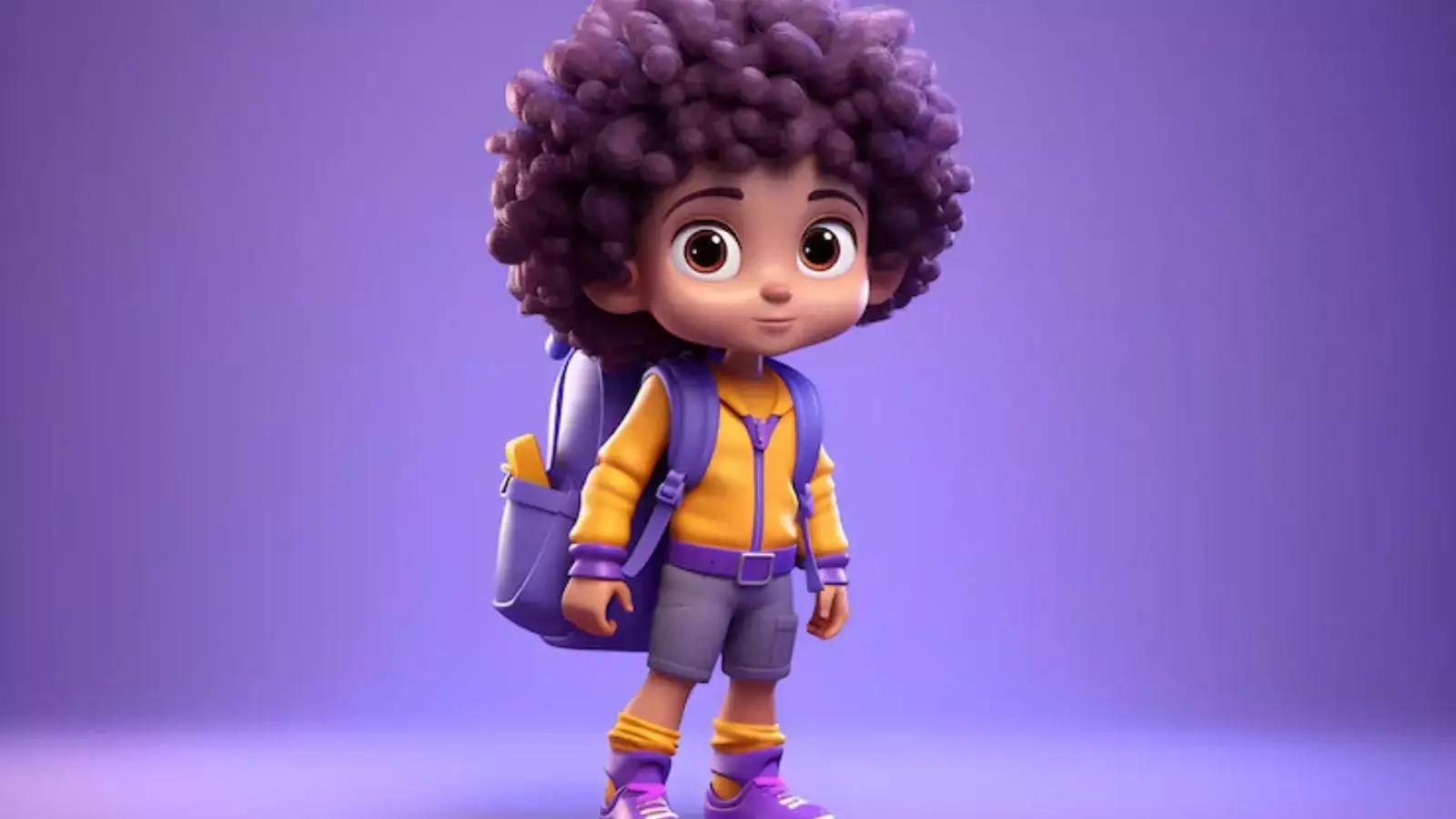
The Hidden Dangers of Heavy Backpacks
Research shows that schoolbags that weigh more than 10-15% of a child’s body weight can cause long-term musculoskeletal problems. These include:
Children may also compensate by leaning forward or to one side, which worsens posture and increases the risk of injury over time.
Signs Your Child’s Bag May Be Too Heavy
If you notice the following, it may be time to reassess their backpack load:
Practical Tips to Lighten the Load
Here are several steps parents and students can take to reduce the weight of schoolbags and protect spine health:
1. Use the Right Backpack
Choose a backpack that is:
2. Pack Smart
3. Weigh the Bag
Periodically weigh your child’s backpack. It should not exceed 10-15% of their body weight. For example, if your child weighs 30 kg, their backpack should weigh no more than 3 to 4.5 kg.
4. Encourage Good Habits
5. Use a Trolley Bag (If Allowed)
For schools that permit it, rolling backpacks are an excellent option. They eliminate strain entirely but may not be practical on stairs or rough terrain.
6. Advocate for Change
If schoolbags are consistently heavy due to curriculum demands, consider talking to teachers or administrators about:
A Shared Responsibility
Protecting children from the dangers of heavy schoolbags is a shared responsibility among parents, educators, and students. With simple adjustments in backpack choice, packing habits, and awareness, we can help ensure that students carry the weight of their education—without harming their health.
The Hidden Dangers of Heavy Backpacks
Research shows that schoolbags that weigh more than 10-15% of a child’s body weight can cause long-term musculoskeletal problems. These include:
- Back and neck pain
- Poor posture
- Fatigue
- Spinal misalignment
- Nerve compression or muscle strain
Children may also compensate by leaning forward or to one side, which worsens posture and increases the risk of injury over time.
Signs Your Child’s Bag May Be Too Heavy
If you notice the following, it may be time to reassess their backpack load:
- They struggle to lift or put on their bag
- They complain of aches or tingling in the arms or back
- They have red marks or indentations on their shoulders
- Their posture seems uneven or stooped after carrying the bag
Practical Tips to Lighten the Load
Here are several steps parents and students can take to reduce the weight of schoolbags and protect spine health:
You may also like
- Quote of the day by Ram Dass: “It is important to expect nothing, to take every experience, including the negative ones, as merely steps on the path, and to proceed"; What the Harvard psychologist and Neem Karoli Baba follower advises on taking hardships as experiences, not roadblocks
- Onam 2026: 50+ Heartful wishes, messages, greetings and images to share with family and friends
- 5 simple ways to keep your stainless steel bottle from smelling bad
- The “Good Child” Trap: How Praising Kids for Being Easy Can Create Anxious Adults
- Raksha Bandhan Gift Idea: How to Give Stocks or Mutual Funds to Your Sister and Understand the Tax Rules
1. Use the Right Backpack
Choose a backpack that is:
- Lightweight and made of durable material
- Equipped with padded, adjustable shoulder straps
- Designed with multiple compartments to distribute weight evenly
- Includes a padded back and possibly a waist or chest strap for additional support
2. Pack Smart
- Only pack what’s necessary for the day. Leave unnecessary books or items at home or in a school locker.
- Use folders or digital devices to reduce paper clutter.
- Place heavier items closer to the back and lighter items toward the front.
3. Weigh the Bag
Periodically weigh your child’s backpack. It should not exceed 10-15% of their body weight. For example, if your child weighs 30 kg, their backpack should weigh no more than 3 to 4.5 kg.
4. Encourage Good Habits
- Teach your child to use both shoulder straps rather than slinging the bag over one shoulder.
- Remind them to bend at the knees and lift with their legs when picking up their bag.
- Encourage them to tell you if they experience discomfort.
5. Use a Trolley Bag (If Allowed)
For schools that permit it, rolling backpacks are an excellent option. They eliminate strain entirely but may not be practical on stairs or rough terrain.
6. Advocate for Change
If schoolbags are consistently heavy due to curriculum demands, consider talking to teachers or administrators about:
- Digital textbook options
- Better locker access
- Staggered subject schedules
A Shared Responsibility
Protecting children from the dangers of heavy schoolbags is a shared responsibility among parents, educators, and students. With simple adjustments in backpack choice, packing habits, and awareness, we can help ensure that students carry the weight of their education—without harming their health.






Loving Newspoint? Download the app now
