
How to Help a Shy Cat Feel Comfortable and Relaxed Around Visitors at Home

Some cats happily greet visitors at the door, while others prefer to disappear under the bed as soon as someone enters the house. Shyness around unfamiliar people is common among cats and may be linked to their personality, past experiences or limited socialisation. Although you cannot force a cat to become outgoing, you can gradually help it feel safer around guests. Creating a calm environment, respecting its boundaries and introducing visitors carefully can make social interactions less stressful. With patience and positive experiences, even a cautious cat may become more comfortable when new people visit.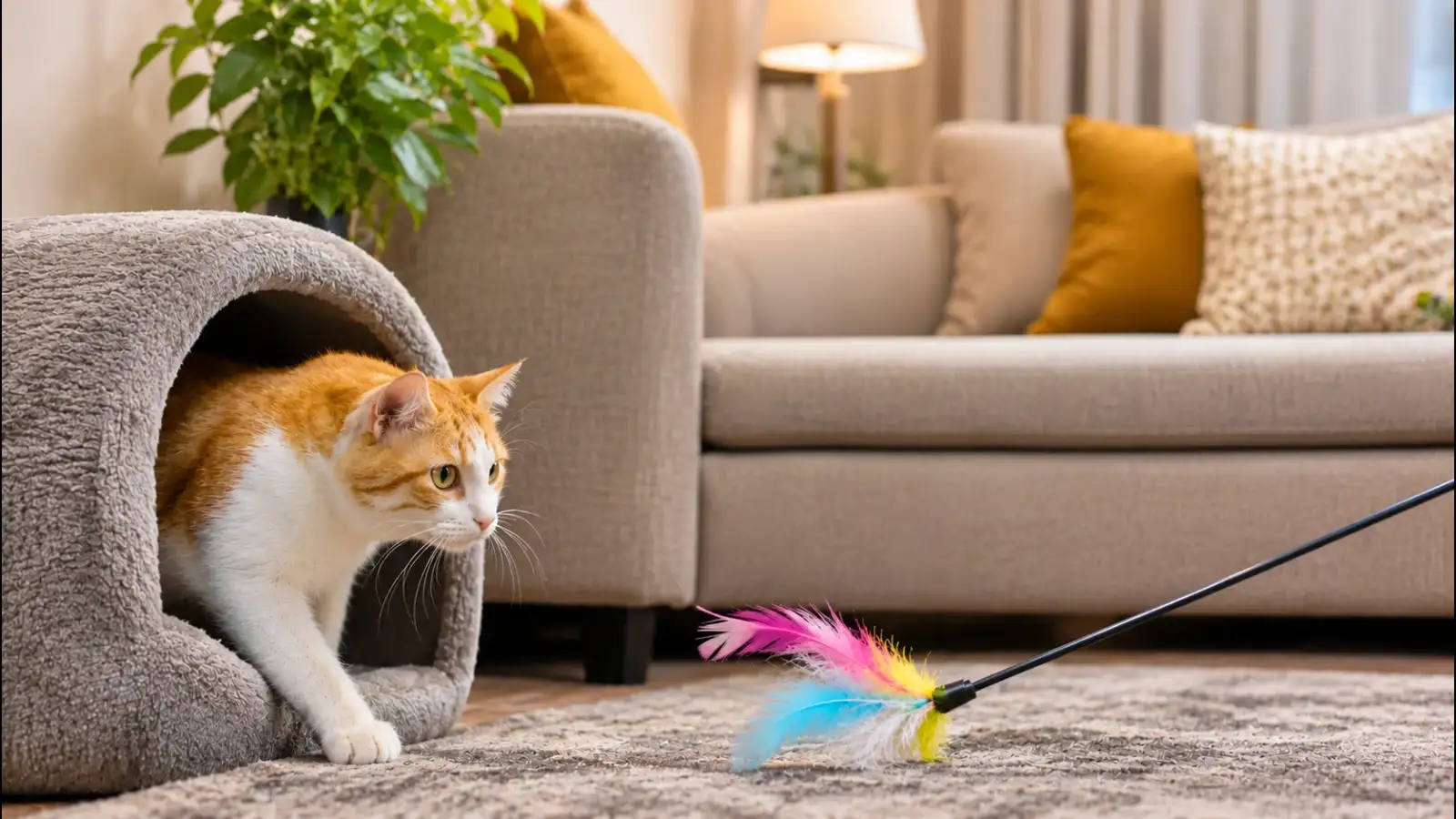
1. Give Your Cat a Safe Hiding Place
A shy cat needs a place where it can retreat whenever it feels nervous. Provide a quiet room, covered cat bed, cardboard box or enclosed resting space away from the main visitor area.
Make sure the hiding spot is always accessible and that guests know not to disturb the cat when it retreats. Having a secure place helps cats feel more in control of their surroundings.
2. Let Your Cat Observe Visitors From a Distance
Avoid introducing your cat to guests immediately after they arrive. Instead, allow it to watch visitors from a comfortable distance.
Some cats may prefer sitting on a high shelf, behind furniture or near a doorway while observing unfamiliar people. Let your pet decide when it feels ready to approach. Even quietly watching guests without hiding can be a positive step.
3. Ask Visitors to Avoid Sudden Movements
Unfamiliar voices, quick movements and loud conversations can make nervous cats feel threatened. Ask guests to speak softly, avoid sudden gestures and give the animal plenty of personal space.
Visitors should not stare directly at the cat, chase it or try to pick it up. A calm approach helps create a less intimidating environment.
4. Use Treats to Create Positive Associations
Food rewards can help a shy cat associate visitors with pleasant experiences. Ask guests to place a favourite treat on the floor at a comfortable distance rather than offering it directly from their hands.
Over time, the cat may begin approaching the area when visitors arrive. Rewarding calm behaviour can help build confidence, but never withhold regular meals to encourage interaction.
5. Introduce One Visitor at a Time
A room full of unfamiliar people can be overwhelming for a nervous cat. Start with one calm visitor and keep the interaction short.
Allow your cat to become familiar with that person's voice, scent and presence before introducing more people. Gradually increasing the number of visitors can make social experiences easier to manage.
6. Use Toys to Encourage Gentle Interaction
Interactive toys such as feather wands or long-handled teaser toys can help a shy cat engage without requiring direct physical contact.
A visitor can gently move the toy while maintaining a comfortable distance. This allows the cat to participate in play while feeling that it can move away whenever it wants.
Avoid forcing interaction or using toys to lure the cat into an uncomfortable situation.
7. Maintain Your Cat's Regular Routine
Cats often feel more secure when their daily routine remains predictable. Try to maintain regular feeding, playtime and resting schedules even when guests visit.
Keep food bowls, litter trays and familiar sleeping areas in their usual locations. If visitors are staying for several hours, make sure the cat has access to a quiet space where it can relax without interruptions.
8. Reward Small Signs of Confidence
Building confidence takes time, so pay attention to small improvements rather than expecting immediate social behaviour.
Your cat may initially remain in the same room as visitors, observe them from a distance or accept a treat while they are present. These can all be encouraging signs.
Offer praise, treats or gentle play when your cat appears comfortable. Never punish it for hiding, hissing or avoiding people, as this can increase fear.
Signs Your Cat May Be Feeling Stressed Around Visitors
Understanding feline body language can help you recognise when your pet needs more space.
When to Seek Veterinary Advice
If your cat suddenly becomes fearful of visitors despite previously being comfortable, consider consulting a veterinarian. Pain, illness and other health problems can sometimes affect behaviour.
For persistent or severe fear, a qualified feline behaviour professional can help develop a gradual socialisation plan suited to your pet.
Helping a shy cat become comfortable around visitors requires patience, consistency and respect for its boundaries. Safe hiding spaces, gentle introductions, familiar routines and positive experiences can gradually build confidence. Remember that not every cat will become friendly with strangers, and that is perfectly normal. The goal is not to turn your reserved pet into a social butterfly but to help it feel secure and relaxed when people visit your home.
1. Give Your Cat a Safe Hiding Place
A shy cat needs a place where it can retreat whenever it feels nervous. Provide a quiet room, covered cat bed, cardboard box or enclosed resting space away from the main visitor area.
Make sure the hiding spot is always accessible and that guests know not to disturb the cat when it retreats. Having a secure place helps cats feel more in control of their surroundings.
2. Let Your Cat Observe Visitors From a Distance
Avoid introducing your cat to guests immediately after they arrive. Instead, allow it to watch visitors from a comfortable distance.
Some cats may prefer sitting on a high shelf, behind furniture or near a doorway while observing unfamiliar people. Let your pet decide when it feels ready to approach. Even quietly watching guests without hiding can be a positive step.
3. Ask Visitors to Avoid Sudden Movements
Unfamiliar voices, quick movements and loud conversations can make nervous cats feel threatened. Ask guests to speak softly, avoid sudden gestures and give the animal plenty of personal space.
Visitors should not stare directly at the cat, chase it or try to pick it up. A calm approach helps create a less intimidating environment.
4. Use Treats to Create Positive Associations
Food rewards can help a shy cat associate visitors with pleasant experiences. Ask guests to place a favourite treat on the floor at a comfortable distance rather than offering it directly from their hands.
Over time, the cat may begin approaching the area when visitors arrive. Rewarding calm behaviour can help build confidence, but never withhold regular meals to encourage interaction.
5. Introduce One Visitor at a Time
A room full of unfamiliar people can be overwhelming for a nervous cat. Start with one calm visitor and keep the interaction short.
Allow your cat to become familiar with that person's voice, scent and presence before introducing more people. Gradually increasing the number of visitors can make social experiences easier to manage.
6. Use Toys to Encourage Gentle Interaction
Interactive toys such as feather wands or long-handled teaser toys can help a shy cat engage without requiring direct physical contact.
A visitor can gently move the toy while maintaining a comfortable distance. This allows the cat to participate in play while feeling that it can move away whenever it wants.
Avoid forcing interaction or using toys to lure the cat into an uncomfortable situation.
7. Maintain Your Cat's Regular Routine
Cats often feel more secure when their daily routine remains predictable. Try to maintain regular feeding, playtime and resting schedules even when guests visit.
Keep food bowls, litter trays and familiar sleeping areas in their usual locations. If visitors are staying for several hours, make sure the cat has access to a quiet space where it can relax without interruptions.
8. Reward Small Signs of Confidence
Building confidence takes time, so pay attention to small improvements rather than expecting immediate social behaviour.
Your cat may initially remain in the same room as visitors, observe them from a distance or accept a treat while they are present. These can all be encouraging signs.
Offer praise, treats or gentle play when your cat appears comfortable. Never punish it for hiding, hissing or avoiding people, as this can increase fear.
Signs Your Cat May Be Feeling Stressed Around Visitors
Understanding feline body language can help you recognise when your pet needs more space.
- Flattened ears: The cat may be feeling uncomfortable or threatened.
- Tucked tail: A tightly tucked tail can indicate fear or insecurity.
- Hissing or growling: These are warning signals asking others to maintain distance.
- Hiding for extended periods: The cat may be overwhelmed by the unfamiliar environment.
- Dilated pupils and crouched posture: These can indicate heightened alertness or fear.
When to Seek Veterinary Advice
If your cat suddenly becomes fearful of visitors despite previously being comfortable, consider consulting a veterinarian. Pain, illness and other health problems can sometimes affect behaviour.
For persistent or severe fear, a qualified feline behaviour professional can help develop a gradual socialisation plan suited to your pet.
Helping a shy cat become comfortable around visitors requires patience, consistency and respect for its boundaries. Safe hiding spaces, gentle introductions, familiar routines and positive experiences can gradually build confidence. Remember that not every cat will become friendly with strangers, and that is perfectly normal. The goal is not to turn your reserved pet into a social butterfly but to help it feel secure and relaxed when people visit your home.
Next Story