
10 Secret European Towns That Feel Like They Came From a Storybook

Europe is often associated with grand capitals, famous monuments and crowded historic centres, but some of the continent's most enchanting places are much smaller. Away from the busiest tourist routes, there are towns where medieval walls still surround old streets, colourful houses rise beside quiet canals and castles appear above rooftops as though they were designed for a storybook.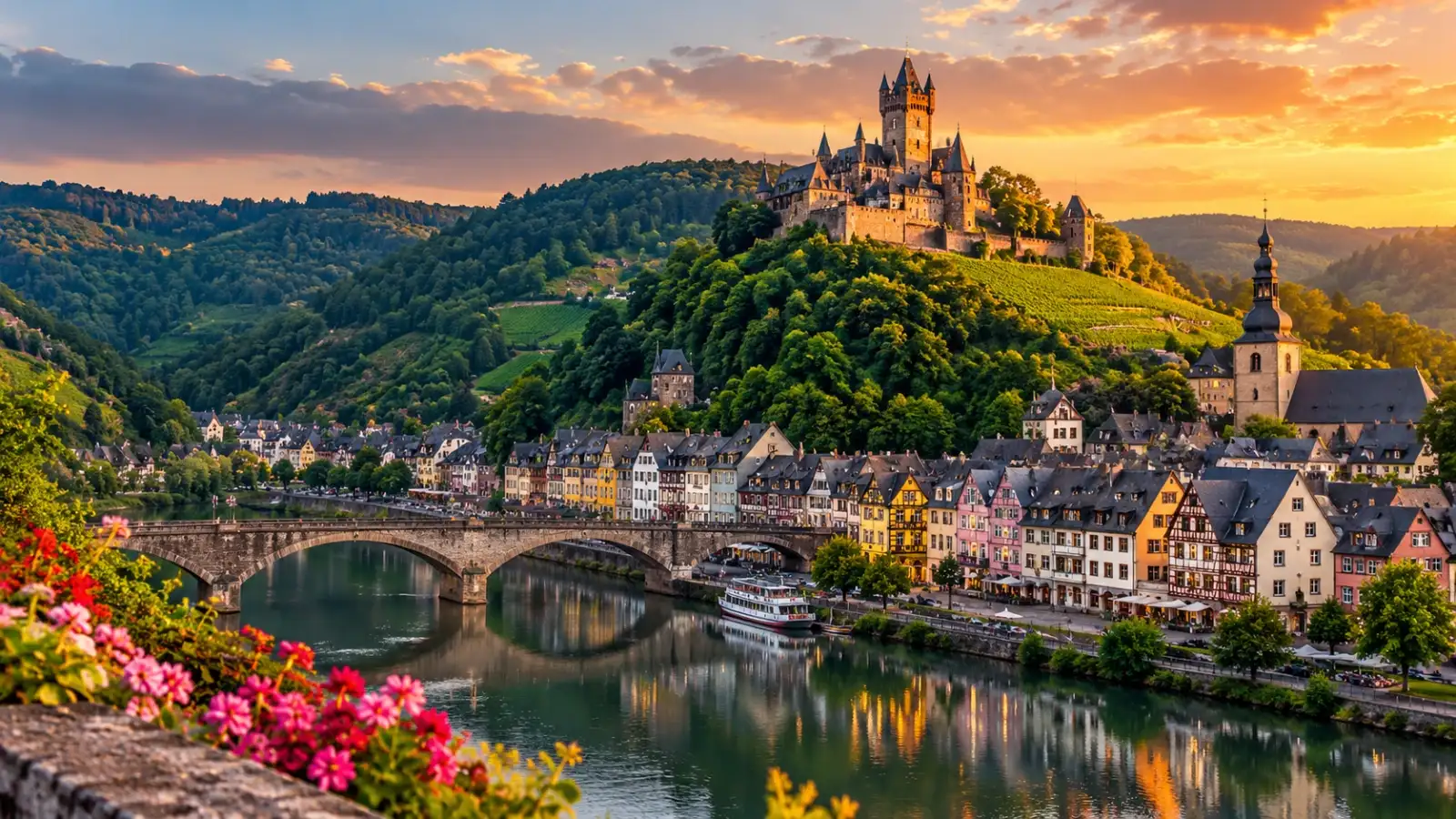
What makes these places particularly appealing is that their beauty does not always come from a single landmark. It comes from the entire setting. A narrow lane may lead to an ancient gate, a river may curve around a cluster of centuries-old houses, or a hilltop fortress may overlook rooftops that have barely changed in appearance for generations.
From Spain and Croatia to France and Germany, these European towns offer a different way to experience the continent. They are places where walking slowly is often more rewarding than rushing between attractions, and where the surrounding landscape is almost as important as the architecture.
The town's unusual architecture is one of its greatest attractions. Wooden balconies, uneven stone walls, tiny passageways and tightly packed houses create a setting that feels far removed from modern Spain. Walking through the old quarter means constantly turning into another narrow lane or discovering another small viewpoint.
Albarracín is particularly atmospheric in the late afternoon when the stone and plaster facades take on warmer shades. Its location also makes it suitable for travellers who want to combine historic sightseeing with walks through the surrounding landscape. The town is regularly included among Spain's more atmospheric medieval destinations, partly because it has retained such a distinctive historic character.
One of the most unusual aspects of the village is the way water forms such an important part of everyday movement. Visitors can explore sections of Giethoorn on foot or by boat, with the canals providing constantly changing views of gardens and houses. Small wooden bridges connect different parts of the village, adding to its distinctive appearance.
The absence of ordinary road traffic in much of the historic village makes the experience feel unusually peaceful. Instead of hearing constant traffic, visitors encounter the sound of water, bicycles, footsteps and boats moving through the canals. That combination gives Giethoorn a character that is difficult to reproduce elsewhere.
The constant movement of water is what gives Rastoke its fairytale appearance. Small cascades run beneath bridges and around old buildings, while wooden structures and green vegetation soften the landscape. The result feels more like a carefully designed fantasy setting than an ordinary village.
Its appeal is also connected to the way the settlement blends human architecture with the natural environment. Instead of separating the village from the surrounding waterways, traditional buildings were constructed in close relationship with them. That makes a walk through Rastoke feel very different from visiting a conventional historic town.
The combination of water, vineyards, historic architecture and the castle creates an unusually cinematic landscape. From the riverfront, the hilltop fortress appears to dominate the rooftops, while viewpoints above the town reveal the winding Moselle and surrounding countryside.
The historic centre itself is filled with narrow streets and traditional buildings, making it enjoyable even without focusing on the castle. Cochem is also part of the Moselle wine region, so its appeal extends beyond architecture and photography. It is a place where a historic town, river landscape and rural scenery come together in a relatively compact area.
The architecture is one of the town's biggest attractions. Wooden beams, brightly painted facades, flower-filled windows and narrow lanes create a warm and almost theatrical atmosphere. Because the streets curve rather than following a straightforward grid, every few minutes can reveal a completely different view.
Eguisheim also benefits from its location among the vineyards of Alsace. The surrounding countryside adds another layer to the experience, particularly when the vines change colour during autumn. It is close enough to Colmar to fit easily into an Alsace itinerary, but its smaller scale gives it a distinctly village-like atmosphere.
The old town is filled with colourful facades, narrow lanes, small squares and historic buildings. Looking down from the castle area, the red and orange rooftops create a striking pattern around the river.
What makes Český Krumlov particularly atmospheric is its scale. It has enough historic architecture to spend an entire day exploring, yet the old centre remains compact enough to discover on foot. Its Renaissance and Baroque buildings, river setting and castle complex have helped make it one of Central Europe's most recognisable historic towns.
The town is especially atmospheric because its architecture does not feel isolated from everyday life. Cafes, small shops and homes occupy buildings that retain traditional details, allowing visitors to experience the historic setting as a living town rather than simply an open-air museum.
The surrounding vineyards add to the sense of place. During autumn, the landscape around Kaysersberg becomes particularly striking as the vines change colour, creating a natural frame around the old buildings.
Its elevated position once gave the settlement strategic importance, but today it creates some remarkable views. Walking through the old stone lanes can feel like entering a medieval film set, particularly where the houses and walls merge into one another.
Sortelha is also much quieter than many of Europe's famous historic destinations. Its appeal lies in the atmosphere rather than a long list of major attractions. The village encourages visitors to slow down, explore the walls and appreciate how closely its architecture remains connected to its medieval past.
The contrast between the buildings and the landscape is what makes Reine so striking. The compact settlement appears almost tiny beneath the surrounding mountains, while the water reflects the peaks and cabins on calmer days.
Its beauty changes dramatically with the seasons. Summer brings long daylight hours and clear views, while winter can introduce snow-covered mountains and the possibility of seeing the northern lights. Rather than feeling like a preserved medieval village, Reine resembles the setting of a Nordic fantasy story.
Its compact streets make it easy to explore on foot. Stone and traditional facades give the historic centre a remarkably cohesive appearance, while the castle provides a dramatic focal point above the town.
The surrounding countryside is another reason Gruyères feels so different from a typical European city break. Green fields and distant mountains create a backdrop that makes the medieval architecture appear even more storybook-like.
The town's buildings climb along the valley, creating layered views from the bridges and higher paths. Many of the houses have dark timber framing and slate roofs, giving Monschau a particularly distinctive appearance compared with the pastel villages of Alsace.
The surrounding hills also make the town feel secluded. Rather than being surrounded by a sprawling urban landscape, Monschau appears almost tucked into the countryside. That sense of isolation is part of what gives it the atmosphere of a hidden fairytale settlement.
There is also a slower rhythm to these places. A traveller does not necessarily need a packed itinerary. Walking along a canal in Giethoorn, following the old walls in Albarracín or sitting beside the river in Český Krumlov can be enough to understand why these towns have such a strong visual identity.
For travellers searching for fairytale Europe, the most rewarding experience may therefore come from going beyond the famous names. The continent still has small towns where medieval walls, mountain landscapes, castles, canals and traditional homes create scenes that feel almost too carefully arranged to be real.
What makes these places particularly appealing is that their beauty does not always come from a single landmark. It comes from the entire setting. A narrow lane may lead to an ancient gate, a river may curve around a cluster of centuries-old houses, or a hilltop fortress may overlook rooftops that have barely changed in appearance for generations.
From Spain and Croatia to France and Germany, these European towns offer a different way to experience the continent. They are places where walking slowly is often more rewarding than rushing between attractions, and where the surrounding landscape is almost as important as the architecture.
Albarracín, Spain Has the Look of a Medieval Fantasy Village
Hidden among the hills of Aragón, Albarracín is one of Spain's most distinctive small towns. Its buildings have warm pink and reddish tones, while narrow streets climb around the hillside beneath the remains of medieval walls and towers. From a distance, the settlement appears almost integrated into the rocky landscape.The town's unusual architecture is one of its greatest attractions. Wooden balconies, uneven stone walls, tiny passageways and tightly packed houses create a setting that feels far removed from modern Spain. Walking through the old quarter means constantly turning into another narrow lane or discovering another small viewpoint.
Albarracín is particularly atmospheric in the late afternoon when the stone and plaster facades take on warmer shades. Its location also makes it suitable for travellers who want to combine historic sightseeing with walks through the surrounding landscape. The town is regularly included among Spain's more atmospheric medieval destinations, partly because it has retained such a distinctive historic character.
Giethoorn, Netherlands Replaces Roads With Canals
Giethoorn looks less like a traditional European medieval town and more like an illustration of an imaginary village. Located in the Netherlands, it is known for its canals, small bridges, waterside gardens and traditional thatched-roof houses.One of the most unusual aspects of the village is the way water forms such an important part of everyday movement. Visitors can explore sections of Giethoorn on foot or by boat, with the canals providing constantly changing views of gardens and houses. Small wooden bridges connect different parts of the village, adding to its distinctive appearance.
The absence of ordinary road traffic in much of the historic village makes the experience feel unusually peaceful. Instead of hearing constant traffic, visitors encounter the sound of water, bicycles, footsteps and boats moving through the canals. That combination gives Giethoorn a character that is difficult to reproduce elsewhere.
Rastoke, Croatia Looks Like a Village Built Around Waterfalls
Rastoke is one of Croatia's most unusual small settlements. Rather than simply sitting beside a river, the village developed around a network of streams and waterfalls, with traditional houses positioned among the waterways.The constant movement of water is what gives Rastoke its fairytale appearance. Small cascades run beneath bridges and around old buildings, while wooden structures and green vegetation soften the landscape. The result feels more like a carefully designed fantasy setting than an ordinary village.
Its appeal is also connected to the way the settlement blends human architecture with the natural environment. Instead of separating the village from the surrounding waterways, traditional buildings were constructed in close relationship with them. That makes a walk through Rastoke feel very different from visiting a conventional historic town.
Cochem, Germany Sits Beneath a Castle Above the Moselle
Cochem is the kind of German town that seems almost deliberately designed for a fairytale painting. Its old buildings line the Moselle River, while Reichsburg Castle rises dramatically above the town on a steep hill.The combination of water, vineyards, historic architecture and the castle creates an unusually cinematic landscape. From the riverfront, the hilltop fortress appears to dominate the rooftops, while viewpoints above the town reveal the winding Moselle and surrounding countryside.
The historic centre itself is filled with narrow streets and traditional buildings, making it enjoyable even without focusing on the castle. Cochem is also part of the Moselle wine region, so its appeal extends beyond architecture and photography. It is a place where a historic town, river landscape and rural scenery come together in a relatively compact area.
Eguisheim, France Feels Like a Storybook Village in a Circle
Eguisheim in the Alsace region has an unusual layout that makes exploring it feel like walking through a maze. Its historic streets form roughly concentric circles around the centre, with colourful half-timbered houses packed closely together.The architecture is one of the town's biggest attractions. Wooden beams, brightly painted facades, flower-filled windows and narrow lanes create a warm and almost theatrical atmosphere. Because the streets curve rather than following a straightforward grid, every few minutes can reveal a completely different view.
Eguisheim also benefits from its location among the vineyards of Alsace. The surrounding countryside adds another layer to the experience, particularly when the vines change colour during autumn. It is close enough to Colmar to fit easily into an Alsace itinerary, but its smaller scale gives it a distinctly village-like atmosphere.
Český Krumlov, Czechia Looks Like a Medieval Illustration
Český Krumlov is one of those places where the landscape and architecture seem to have been arranged specifically for dramatic views. The historic town curves around the Vltava River, while its enormous castle complex rises above the tightly packed rooftops.The old town is filled with colourful facades, narrow lanes, small squares and historic buildings. Looking down from the castle area, the red and orange rooftops create a striking pattern around the river.
What makes Český Krumlov particularly atmospheric is its scale. It has enough historic architecture to spend an entire day exploring, yet the old centre remains compact enough to discover on foot. Its Renaissance and Baroque buildings, river setting and castle complex have helped make it one of Central Europe's most recognisable historic towns.
Kaysersberg, France Brings Medieval Alsace to Life
Kaysersberg is another Alsatian destination that feels remarkably removed from modern urban life. Its old quarter combines timber-framed houses, stone buildings, a historic bridge and the remains of a medieval castle overlooking the settlement.The town is especially atmospheric because its architecture does not feel isolated from everyday life. Cafes, small shops and homes occupy buildings that retain traditional details, allowing visitors to experience the historic setting as a living town rather than simply an open-air museum.
The surrounding vineyards add to the sense of place. During autumn, the landscape around Kaysersberg becomes particularly striking as the vines change colour, creating a natural frame around the old buildings.
Sortelha, Portugal Is a Stone Village Behind Ancient Walls
In central Portugal, Sortelha offers a completely different version of the European fairytale. Instead of colourful houses and canals, the village is dominated by granite buildings, ancient defensive walls and a castle standing above the surrounding landscape.Its elevated position once gave the settlement strategic importance, but today it creates some remarkable views. Walking through the old stone lanes can feel like entering a medieval film set, particularly where the houses and walls merge into one another.
Sortelha is also much quieter than many of Europe's famous historic destinations. Its appeal lies in the atmosphere rather than a long list of major attractions. The village encourages visitors to slow down, explore the walls and appreciate how closely its architecture remains connected to its medieval past.
Reine, Norway Turns a Fishing Village Into a Fairytale Landscape
Far above mainland Europe's warmer medieval towns, Reine in Norway offers a completely different kind of storybook scenery. The village sits among dramatic mountains and waterways in the Lofoten archipelago, with traditional red fishermen's cabins scattered along the shoreline.The contrast between the buildings and the landscape is what makes Reine so striking. The compact settlement appears almost tiny beneath the surrounding mountains, while the water reflects the peaks and cabins on calmer days.
You may also like
- 4 Hacks to keep your kitchen free from flies and bugs
- Throwing away egg shells? Reuse these shells in these easy ways
- Psychology says children behave differently with each parent for a reason; what it may reveal about their emotional comfort
- Today's Birthday : 27th September 2026
- Alia Bhatt brings old-world glamour to Manish Malhotra's Mijwan fashion show in ivory Chikankari
Its beauty changes dramatically with the seasons. Summer brings long daylight hours and clear views, while winter can introduce snow-covered mountains and the possibility of seeing the northern lights. Rather than feeling like a preserved medieval village, Reine resembles the setting of a Nordic fantasy story.
Gruyères, Switzerland Looks Like a Castle Town From a Storybook
Gruyères is best known for its castle and its connection with the Swiss countryside, but the surrounding medieval settlement is just as important to its fairytale character. The town sits on a hill, with historic buildings gathered around the castle and views extending towards the surrounding landscape.Its compact streets make it easy to explore on foot. Stone and traditional facades give the historic centre a remarkably cohesive appearance, while the castle provides a dramatic focal point above the town.
The surrounding countryside is another reason Gruyères feels so different from a typical European city break. Green fields and distant mountains create a backdrop that makes the medieval architecture appear even more storybook-like.
Monschau, Germany Feels Like a Village Hidden in the Hills
Tucked into the Eifel region near Germany's western border, Monschau is characterised by narrow streets, half-timbered houses and the River Rur winding through its historic centre.The town's buildings climb along the valley, creating layered views from the bridges and higher paths. Many of the houses have dark timber framing and slate roofs, giving Monschau a particularly distinctive appearance compared with the pastel villages of Alsace.
The surrounding hills also make the town feel secluded. Rather than being surrounded by a sprawling urban landscape, Monschau appears almost tucked into the countryside. That sense of isolation is part of what gives it the atmosphere of a hidden fairytale settlement.
Why These Towns Feel More Magical Than Famous European Cities
The appeal of these destinations is not simply that they are beautiful. Many of them have retained a sense of scale that has disappeared from Europe's larger cities. Streets remain narrow, buildings sit close together and natural features such as rivers, mountains and hills continue to shape the way the towns look.There is also a slower rhythm to these places. A traveller does not necessarily need a packed itinerary. Walking along a canal in Giethoorn, following the old walls in Albarracín or sitting beside the river in Český Krumlov can be enough to understand why these towns have such a strong visual identity.
For travellers searching for fairytale Europe, the most rewarding experience may therefore come from going beyond the famous names. The continent still has small towns where medieval walls, mountain landscapes, castles, canals and traditional homes create scenes that feel almost too carefully arranged to be real.






Loving Newspoint? Download the app now
