
10 Best Fort Cities in India to Explore History, Palaces and Royal Heritage

India's history is written across its landscapes in many forms, but few places bring the past to life quite like its fort cities. Built as military strongholds, royal residences, administrative centres and symbols of political power, these fortified settlements have witnessed battles, dynastic changes, trade, cultural exchanges and the rise and fall of kingdoms.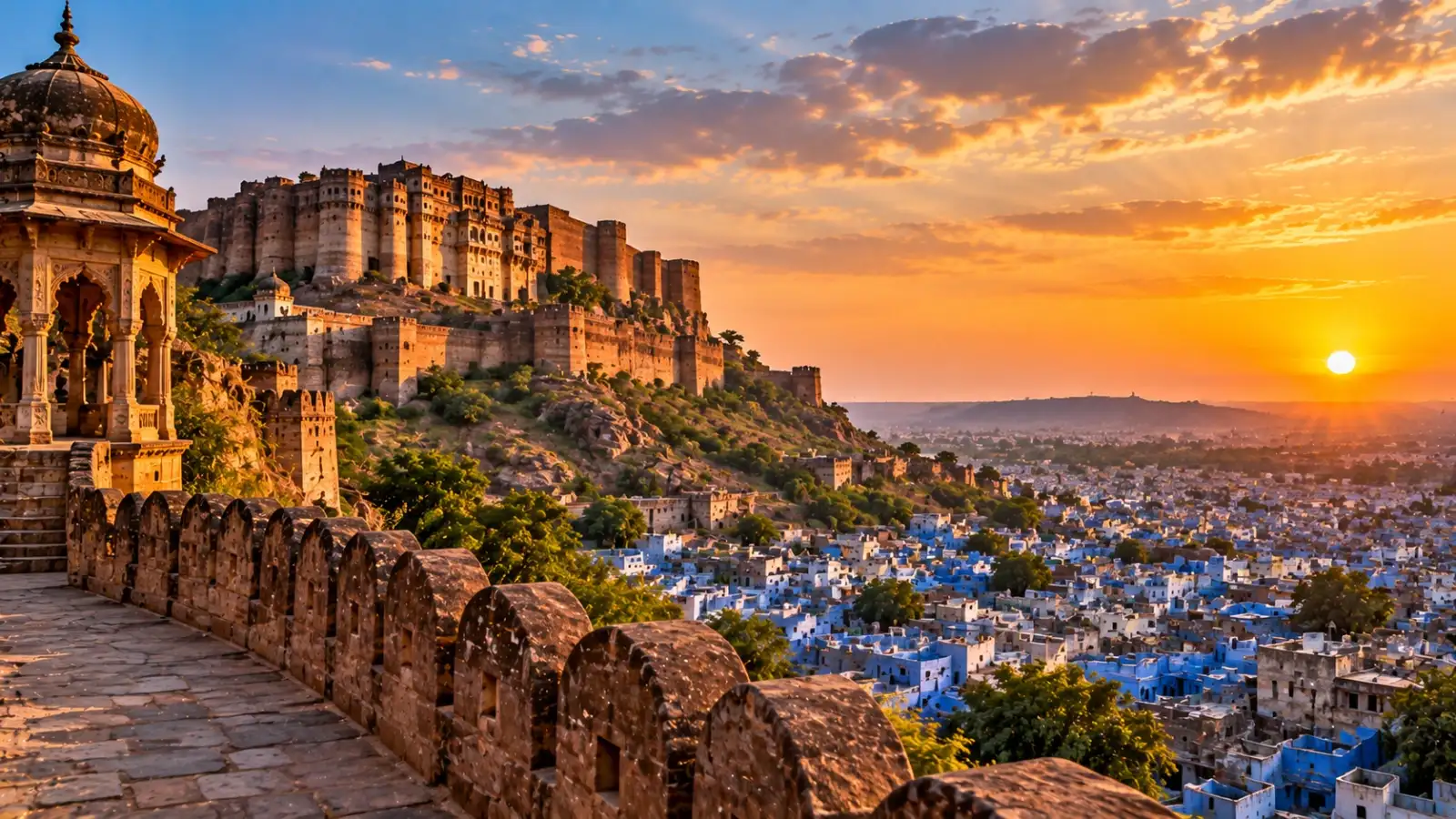
Rajasthan naturally dominates India's fort landscape, but the story extends well beyond the desert state. Madhya Pradesh, Uttar Pradesh, Maharashtra and Karnataka also have cities where historic forts remain central to the character of the destination. Some are surrounded by bustling modern cities, while others retain old quarters, palaces, temples and markets that make a visit feel like a journey through several centuries.
For travellers who would rather explore ramparts and royal quarters than simply tick off conventional sightseeing spots, these Indian fort cities offer plenty to discover.
The fort has witnessed battles, political struggles and changing dynasties over several centuries. Its long outer walls, rock-cut Jain sculptures and historic structures make the complex considerably more than a single monument. The 15th-century Gujari Mahal, built by Raja Man Singh Tomar for Queen Mrignayani, now houses an archaeological museum with historic artefacts.
A history-focused trip to Gwalior can also include Jai Vilas Palace, the Scindia-era chhatris and other historic sites scattered around the city.
Rajasthan Tourism describes the fort as standing on a 180-metre-high hill and covering roughly 240 hectares. Its history includes repeated attacks and changes of power, while landmarks such as Vijay Stambh and Kirti Stambh add architectural depth to the visit.
The fort is also part of the UNESCO-listed Hill Forts of Rajasthan, a group of six fortified sites that demonstrate the defensive planning, architecture and political history of Rajput kingdoms.
For travellers interested in Rajput history, Chittorgarh offers enough to justify a dedicated stay rather than a quick stop.
The Orchha Fort complex was developed by the Bundela Rajputs between the 16th and 17th centuries and combines Rajput and Mughal architectural influences. The complex includes structures such as Jahangir Mahal and Rai Parveen Mahal, each associated with different chapters of Bundela history.
Beyond the fort itself, Orchha's riverside setting and collection of historic monuments make the entire town feel like an extended heritage zone. It is particularly suitable for travellers who prefer walking through old streets and exploring several monuments at a relaxed pace.
The city was founded in 1459 by Rao Jodha of the Rathore clan, and Mehrangarh was established on a strategically important rocky elevation above the settlement. The fort contains palaces and museum collections that preserve objects associated with royal life, while its elevated position provides sweeping views over the old city.
A history-filled weekend can combine Mehrangarh with Jaswant Thada, Mandore and the old markets around the historic centre. This makes Jodhpur particularly appealing for travellers who want architecture, royal history and everyday city life in the same trip.
The red sandstone fortress was rebuilt by Emperor Akbar from 1565 and later expanded and embellished under Shah Jahan. Inside its 2.5-kilometre-long walls are structures including Jahangir Mahal, Khas Mahal, Diwan-i-Aam, Diwan-i-Khas and Musamman Burj.
Agra works particularly well for a history-focused holiday because several major monuments can be connected within the same itinerary. The city allows travellers to trace the Mughal period through forts, tombs, gardens and imperial architecture rather than experiencing the Taj Mahal in isolation.
Taragarh Fort dominates the landscape above Bundi, while the palace below contains murals and decorative details associated with the region's artistic traditions. The city's stepwells and old neighbourhoods add another layer to the experience.
Rajasthan Tourism describes Bundi as a town dotted with palaces and forts and highlights its relatively peaceful character.
For travellers who want to explore Rajasthan's history without building the entire trip around its busiest cities, Bundi can be a rewarding addition.
Amber Fort is the obvious starting point. Built on the hills overlooking Maota Lake, the complex combines Rajput and Mughal architectural influences and contains courtyards, palaces, gateways and decorated interiors.
Jaipur also allows travellers to connect fort architecture with urban planning. Nahargarh and Jaigarh add different perspectives on the city's defensive landscape, while the City Palace and surrounding old city provide insight into how the royal capital functioned beyond its fortifications.
Bidar Fort is the centrepiece, with massive walls, gateways, palaces and other structures reflecting the architectural traditions that developed across the Deccan. The city also has historic Islamic monuments, tombs and religious sites that reveal the cultural exchanges of the region.
Unlike the heavily photographed forts of Rajasthan, Bidar offers a different architectural vocabulary and a different historical narrative. It is particularly interesting for travellers who want to understand how India's medieval history extended beyond the Rajput and Mughal heartlands.
The fort complex contains palaces, courtyards, balconies and richly decorated interiors built across different periods. Rajasthan Tourism includes Junagarh among the state's major fort attractions and places Bikaner firmly within its historic desert-city circuit.
The wider city adds another dimension through old havelis, markets and traditional architecture. Visitors can therefore move from royal interiors to the everyday heritage of Bikaner's historic neighbourhoods.
The golden colour of the architecture gives the city its famous appearance, but the real appeal lies in the layers of history inside the fort. Narrow lanes lead past homes, temples, shops and historic buildings, showing how the fort continued to function as more than a military structure.
Jaisalmer is also part of the UNESCO-listed Hill Forts of Rajasthan. The larger fort landscape demonstrates how Rajput rulers used elevated terrain, defensive walls and settlements together to protect strategic centres.
A visit becomes more interesting when combined with the city's havelis, old markets and surrounding desert rather than treating the fort as a standalone attraction.
These destinations also demonstrate how different Indian kingdoms responded to geography. Some forts were built on steep hills, others on rocky plateaus, desert landscapes or riverbanks. Their architecture reflects not only artistic preferences but also military requirements, climate and access to natural resources.
For travellers, this creates a more immersive type of heritage holiday. Instead of simply visiting a museum and moving on, you can spend several days understanding how a city grew around its fort and how its history continues to shape its identity.
Comfortable footwear is useful, particularly at hill forts where ramps, steps and uneven surfaces are common. Starting early can also make outdoor sections more comfortable, especially in Rajasthan and central India during warmer months.
It is worth checking monument timings, entry arrangements and local restrictions before travelling. Some sites may have separate timings for museums, light-and-sound shows or specific sections of a fort complex.
For travellers who enjoy history, architecture and stories of changing kingdoms, India's fort cities offer a holiday where almost every wall, gateway and courtyard can become part of the journey.
Rajasthan naturally dominates India's fort landscape, but the story extends well beyond the desert state. Madhya Pradesh, Uttar Pradesh, Maharashtra and Karnataka also have cities where historic forts remain central to the character of the destination. Some are surrounded by bustling modern cities, while others retain old quarters, palaces, temples and markets that make a visit feel like a journey through several centuries.
For travellers who would rather explore ramparts and royal quarters than simply tick off conventional sightseeing spots, these Indian fort cities offer plenty to discover.
Gwalior, Madhya Pradesh
Gwalior is one of India's most compelling destinations for travellers interested in military architecture and medieval history. The city's defining landmark is Gwalior Fort , dramatically positioned on a steep sandstone plateau above the urban landscape.The fort has witnessed battles, political struggles and changing dynasties over several centuries. Its long outer walls, rock-cut Jain sculptures and historic structures make the complex considerably more than a single monument. The 15th-century Gujari Mahal, built by Raja Man Singh Tomar for Queen Mrignayani, now houses an archaeological museum with historic artefacts.
A history-focused trip to Gwalior can also include Jai Vilas Palace, the Scindia-era chhatris and other historic sites scattered around the city.
Chittorgarh, Rajasthan
Chittorgarh is one of the places where the fort is inseparable from the identity of the city. The enormous Chittorgarh Fort rises on a hill and contains palaces, temples, towers, gates and memorials spread across a vast complex.Rajasthan Tourism describes the fort as standing on a 180-metre-high hill and covering roughly 240 hectares. Its history includes repeated attacks and changes of power, while landmarks such as Vijay Stambh and Kirti Stambh add architectural depth to the visit.
The fort is also part of the UNESCO-listed Hill Forts of Rajasthan, a group of six fortified sites that demonstrate the defensive planning, architecture and political history of Rajput kingdoms.
For travellers interested in Rajput history, Chittorgarh offers enough to justify a dedicated stay rather than a quick stop.
Orchha, Madhya Pradesh
Orchha has a rare quality among Indian heritage destinations . Its fort complex, temples, cenotaphs and surrounding landscape remain closely connected with the small town around them.The Orchha Fort complex was developed by the Bundela Rajputs between the 16th and 17th centuries and combines Rajput and Mughal architectural influences. The complex includes structures such as Jahangir Mahal and Rai Parveen Mahal, each associated with different chapters of Bundela history.
Beyond the fort itself, Orchha's riverside setting and collection of historic monuments make the entire town feel like an extended heritage zone. It is particularly suitable for travellers who prefer walking through old streets and exploring several monuments at a relaxed pace.
Jodhpur, Rajasthan
Jodhpur is one of India's most recognisable fort cities, but its historical depth goes far beyond the famous blue houses visible from Mehrangarh Fort.The city was founded in 1459 by Rao Jodha of the Rathore clan, and Mehrangarh was established on a strategically important rocky elevation above the settlement. The fort contains palaces and museum collections that preserve objects associated with royal life, while its elevated position provides sweeping views over the old city.
A history-filled weekend can combine Mehrangarh with Jaswant Thada, Mandore and the old markets around the historic centre. This makes Jodhpur particularly appealing for travellers who want architecture, royal history and everyday city life in the same trip.
Agra, Uttar Pradesh
Agra is usually introduced through the Taj Mahal, but anyone interested in the Mughal period should spend serious time at Agra Fort as well.The red sandstone fortress was rebuilt by Emperor Akbar from 1565 and later expanded and embellished under Shah Jahan. Inside its 2.5-kilometre-long walls are structures including Jahangir Mahal, Khas Mahal, Diwan-i-Aam, Diwan-i-Khas and Musamman Burj.
Agra works particularly well for a history-focused holiday because several major monuments can be connected within the same itinerary. The city allows travellers to trace the Mughal period through forts, tombs, gardens and imperial architecture rather than experiencing the Taj Mahal in isolation.
Bundi, Rajasthan
Bundi is one of Rajasthan's quieter heritage cities and offers a more intimate fort experience than the state's biggest tourist centres. The town is known for its palace, fort, stepwells and distinctive old architecture.Taragarh Fort dominates the landscape above Bundi, while the palace below contains murals and decorative details associated with the region's artistic traditions. The city's stepwells and old neighbourhoods add another layer to the experience.
Rajasthan Tourism describes Bundi as a town dotted with palaces and forts and highlights its relatively peaceful character.
For travellers who want to explore Rajasthan's history without building the entire trip around its busiest cities, Bundi can be a rewarding addition.
Jaipur, Rajasthan
Jaipur may be one of India's most visited heritage cities, but its forts make it an essential stop for anyone interested in the evolution of fortified royal capitals.Amber Fort is the obvious starting point. Built on the hills overlooking Maota Lake, the complex combines Rajput and Mughal architectural influences and contains courtyards, palaces, gateways and decorated interiors.
Jaipur also allows travellers to connect fort architecture with urban planning. Nahargarh and Jaigarh add different perspectives on the city's defensive landscape, while the City Palace and surrounding old city provide insight into how the royal capital functioned beyond its fortifications.
Bidar, Karnataka
Bidar is a fascinating choice for travellers who want to explore the Deccan's medieval history. The city developed under the Bahmani Sultanate and later remained important under other Deccan powers.Bidar Fort is the centrepiece, with massive walls, gateways, palaces and other structures reflecting the architectural traditions that developed across the Deccan. The city also has historic Islamic monuments, tombs and religious sites that reveal the cultural exchanges of the region.
Unlike the heavily photographed forts of Rajasthan, Bidar offers a different architectural vocabulary and a different historical narrative. It is particularly interesting for travellers who want to understand how India's medieval history extended beyond the Rajput and Mughal heartlands.
Bikaner, Rajasthan
Bikaner provides another perspective on fortified Rajasthan. Junagarh Fort stands in the city rather than on a high mountain, giving it a different defensive and architectural character from hill forts such as Chittorgarh and Kumbhalgarh.The fort complex contains palaces, courtyards, balconies and richly decorated interiors built across different periods. Rajasthan Tourism includes Junagarh among the state's major fort attractions and places Bikaner firmly within its historic desert-city circuit.
The wider city adds another dimension through old havelis, markets and traditional architecture. Visitors can therefore move from royal interiors to the everyday heritage of Bikaner's historic neighbourhoods.
Jaisalmer, Rajasthan
Jaisalmer is one of the most distinctive fort cities in India because the historic settlement developed within and around a living sandstone fort.The golden colour of the architecture gives the city its famous appearance, but the real appeal lies in the layers of history inside the fort. Narrow lanes lead past homes, temples, shops and historic buildings, showing how the fort continued to function as more than a military structure.
Jaisalmer is also part of the UNESCO-listed Hill Forts of Rajasthan. The larger fort landscape demonstrates how Rajput rulers used elevated terrain, defensive walls and settlements together to protect strategic centres.
A visit becomes more interesting when combined with the city's havelis, old markets and surrounding desert rather than treating the fort as a standalone attraction.
Why Fort Cities Make Great History Holidays
The appeal of a fort city is that history does not remain confined to one monument. The fort may be the centrepiece, but surrounding streets, markets, temples, palaces, water systems and old residential quarters often reveal how people actually lived around these powerful structures.These destinations also demonstrate how different Indian kingdoms responded to geography. Some forts were built on steep hills, others on rocky plateaus, desert landscapes or riverbanks. Their architecture reflects not only artistic preferences but also military requirements, climate and access to natural resources.
For travellers, this creates a more immersive type of heritage holiday. Instead of simply visiting a museum and moving on, you can spend several days understanding how a city grew around its fort and how its history continues to shape its identity.
Planning a Fort-Focused Indian Holiday
A fort holiday requires slightly more time than a standard city break. Large complexes such as Chittorgarh, Gwalior and Mehrangarh can take several hours to explore properly, while destinations such as Orchha and Bundi reward visitors who spend time walking beyond the principal monument.Comfortable footwear is useful, particularly at hill forts where ramps, steps and uneven surfaces are common. Starting early can also make outdoor sections more comfortable, especially in Rajasthan and central India during warmer months.
It is worth checking monument timings, entry arrangements and local restrictions before travelling. Some sites may have separate timings for museums, light-and-sound shows or specific sections of a fort complex.
For travellers who enjoy history, architecture and stories of changing kingdoms, India's fort cities offer a holiday where almost every wall, gateway and courtyard can become part of the journey.
Next Story