
Beyond Budapest: 8 Beautiful Hungarian Towns Filled With Historic Buildings and Old-World Charm

Hungary is known for its grand architecture, historic castles and charming old towns that reflect centuries of European history. While Budapest attracts most international attention, several smaller towns offer equally fascinating architectural experiences. Their streets feature medieval churches, colourful Baroque buildings, traditional houses and impressive fortifications shaped by different periods of Hungarian history. Some developed around royal castles, while others became important religious, trading or cultural centres. Exploring these towns offers a chance to understand the country's architectural diversity beyond its capital. Here are eight historic Hungarian towns worth visiting for their distinctive buildings, cultural landmarks and old-world atmosphere.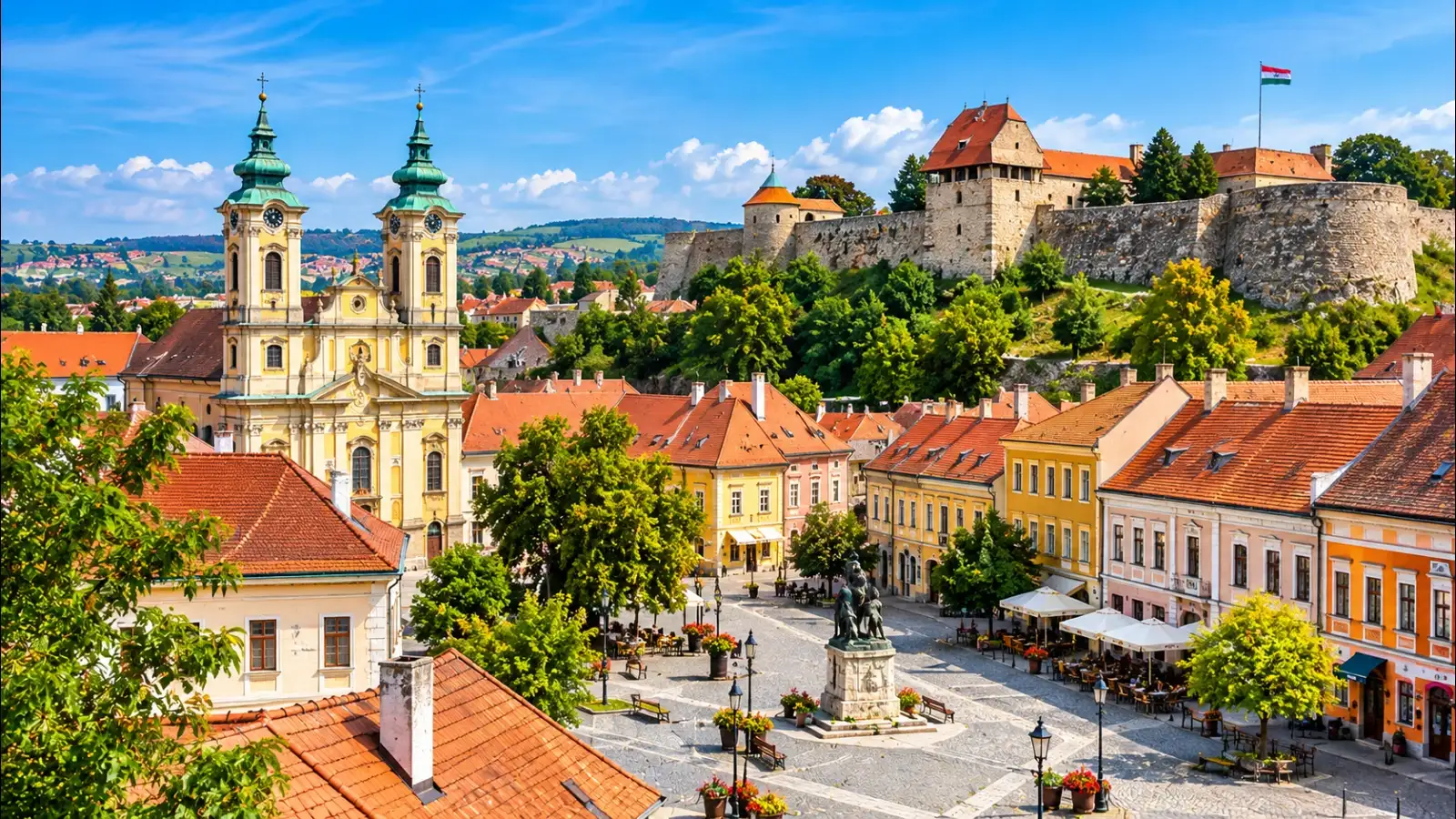
Eger Castle is among its most significant landmarks, associated with the town's resistance against Ottoman forces in 1552. Visitors can also explore the Baroque Eger Basilica, historic churches and the beautifully preserved town centre. Its combination of religious architecture and military history makes Eger especially interesting.
The Firewatch Tower is one of Sopron's most recognisable structures, standing above the historic centre. The nearby Main Square features colourful façades, churches and heritage buildings. Sopron is an excellent destination for travellers interested in medieval urban planning and historic architecture.
The early Christian Necropolis of Pécs, a UNESCO World Heritage Site, contains important underground burial chambers and early Christian monuments. The city's Mosque of Pasha Qasim, now used as a Catholic church, reflects its Ottoman past. Pécs Cathedral is another major landmark, known for its impressive architecture and historical importance.
The town features several Serbian Orthodox churches, distinctive Baroque buildings and charming public squares. Its compact historic centre is ideal for walking, allowing visitors to admire decorative façades, traditional houses and small courtyards. Szentendre is also known for its galleries and museums.
The Castle District includes important landmarks such as St Michael's Cathedral and the historic Archbishop's Palace. Its narrow streets and elevated position create a distinctive atmosphere, while the architecture reflects the town's long religious and political history.
Jurisics Castle is the town's most important historic landmark, associated with the 1532 siege during the Ottoman period. Visitors can also explore Heroes' Gate, the Main Square and several historic churches. The town's compact layout makes it especially appealing for a relaxed architectural walk.
The basilica dominates the town's skyline and offers impressive views of the Danube River and neighbouring Slovakia. The nearby castle complex contains remains associated with Hungary's medieval royal history. Together, these landmarks make Esztergom an important destination for visitors interested in religious and royal architecture.
Its historic streets feature colourful façades, decorative balconies and elegant public squares. The Basilica of Győr and the Bishop's Castle are among its notable landmarks. Visitors can also explore the charming streets around Széchenyi Square, where historic buildings reflect the town's architectural evolution.
July and August are also popular for sightseeing, although temperatures can rise and well-known destinations may become busy. Winter offers a different atmosphere, particularly around festive markets, but shorter daylight hours can limit time for outdoor exploration.
Hungary's historic towns offer a fascinating look at the country's architectural and cultural development. From Eger's Baroque landmarks and Sopron's medieval streets to Pécs's Roman and Ottoman heritage, each destination has a distinctive character. Exploring these towns allows travellers to discover a side of Hungary that extends beyond Budapest and appreciate the historical influences that shaped its buildings, streets and public spaces.
1. Eger: A Town of Baroque Architecture and Historic Fortifications
Eger is one of Hungary's most attractive historic towns, recognised for its Baroque buildings, elegant squares and medieval heritage. Its architectural character developed over several centuries, particularly during the period when the town became an important religious and cultural centre.Eger Castle is among its most significant landmarks, associated with the town's resistance against Ottoman forces in 1552. Visitors can also explore the Baroque Eger Basilica, historic churches and the beautifully preserved town centre. Its combination of religious architecture and military history makes Eger especially interesting.
2. Sopron: Medieval Streets and Gothic Buildings
Located near the Austrian border, Sopron is known for its medieval streets, historic houses and distinctive architectural landmarks. The town has preserved much of its old-world character, with narrow lanes and buildings that reflect different European influences.The Firewatch Tower is one of Sopron's most recognisable structures, standing above the historic centre. The nearby Main Square features colourful façades, churches and heritage buildings. Sopron is an excellent destination for travellers interested in medieval urban planning and historic architecture.
3. Pécs: Roman Heritage and Ottoman-Era Architecture
Pécs offers an unusual mix of architectural styles shaped by Roman, Christian and Ottoman influences. Its long history is visible in its archaeological remains, historic churches and public buildings.The early Christian Necropolis of Pécs, a UNESCO World Heritage Site, contains important underground burial chambers and early Christian monuments. The city's Mosque of Pasha Qasim, now used as a Catholic church, reflects its Ottoman past. Pécs Cathedral is another major landmark, known for its impressive architecture and historical importance.
4. Szentendre: Colourful Houses and Serbian Orthodox Churches
Szentendre is a picturesque town near Budapest, famous for its colourful houses, cobbled streets and artistic atmosphere. Its architectural identity reflects the influence of Serbian communities who settled here during earlier centuries.The town features several Serbian Orthodox churches, distinctive Baroque buildings and charming public squares. Its compact historic centre is ideal for walking, allowing visitors to admire decorative façades, traditional houses and small courtyards. Szentendre is also known for its galleries and museums.
5. Veszprém: A Historic Castle District on a Hilltop
Veszprém is one of Hungary's oldest urban settlements and is often associated with its historic castle district. Built on a hill overlooking the surrounding landscape, the old town features churches, palaces and traditional buildings.The Castle District includes important landmarks such as St Michael's Cathedral and the historic Archbishop's Palace. Its narrow streets and elevated position create a distinctive atmosphere, while the architecture reflects the town's long religious and political history.
6. Kőszeg: A Well-Preserved Medieval Town
Kőszeg is a small historic town in western Hungary, known for its medieval character and attractive old town. Its historic centre features colourful buildings, narrow streets and architectural details that have survived through centuries.Jurisics Castle is the town's most important historic landmark, associated with the 1532 siege during the Ottoman period. Visitors can also explore Heroes' Gate, the Main Square and several historic churches. The town's compact layout makes it especially appealing for a relaxed architectural walk.
7. Esztergom: Religious Architecture and Royal History
Esztergom holds an important place in Hungarian history as one of the country's earliest royal and religious centres. It is particularly famous for Esztergom Basilica , one of the largest church buildings in Hungary.The basilica dominates the town's skyline and offers impressive views of the Danube River and neighbouring Slovakia. The nearby castle complex contains remains associated with Hungary's medieval royal history. Together, these landmarks make Esztergom an important destination for visitors interested in religious and royal architecture.
8. Győr: A Blend of Baroque and Renaissance Architecture
Győr is known for its well-preserved historic centre, where Baroque architecture creates an attractive urban landscape. Located between Budapest and Vienna, the town developed as an important trading and cultural centre.Its historic streets feature colourful façades, decorative balconies and elegant public squares. The Basilica of Győr and the Bishop's Castle are among its notable landmarks. Visitors can also explore the charming streets around Széchenyi Square, where historic buildings reflect the town's architectural evolution.
Best Time to Explore Hungary's Historic Towns
The months from April to June and September to October are generally pleasant for exploring Hungary's historic towns. Spring brings comfortable temperatures and lively outdoor spaces, while autumn offers attractive scenery and fewer summer crowds.July and August are also popular for sightseeing, although temperatures can rise and well-known destinations may become busy. Winter offers a different atmosphere, particularly around festive markets, but shorter daylight hours can limit time for outdoor exploration.
Hungary's historic towns offer a fascinating look at the country's architectural and cultural development. From Eger's Baroque landmarks and Sopron's medieval streets to Pécs's Roman and Ottoman heritage, each destination has a distinctive character. Exploring these towns allows travellers to discover a side of Hungary that extends beyond Budapest and appreciate the historical influences that shaped its buildings, streets and public spaces.
Next Story