
10 Famous Historical Buildings Around the World With Stories You Probably Never Knew

Historical buildings are more than impressive structures made of stone, brick and marble. Many have witnessed wars, political struggles, royal celebrations, scientific discoveries and unexpected events that shaped their surroundings. Some were built for purposes that are very different from how they are used today, while others have survived disasters and transformations over several centuries. Behind their grand entrances and beautiful architecture are stories that are often more fascinating than their appearance. Here are ten historical buildings from around the world with surprising histories that reveal another side of the past.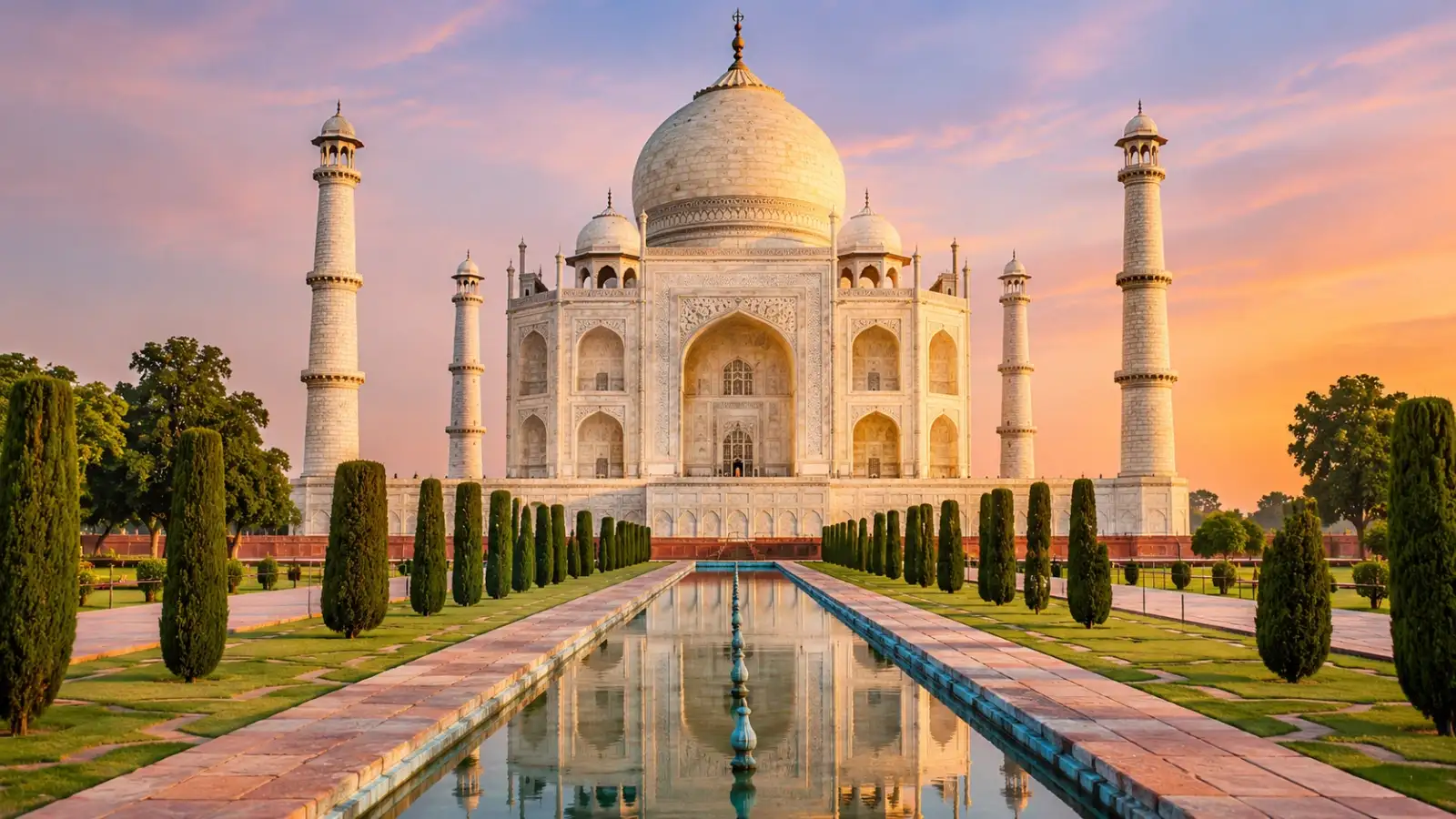
One surprising detail is its advanced crowd-management system. The building had numerous entrances and passageways that helped thousands of spectators enter and leave efficiently. Its underground chambers, known as the hypogeum, contained animals, equipment and spaces used to prepare performers before events.
The palace's famous Hall of Mirrors was designed to impress visitors with its scale and decoration. In 1919, the Treaty of Versailles, which formally ended the state of war between Germany and the Allied Powers after the First World War, was signed here.
Several famous historical figures were imprisoned within its walls, including Anne Boleyn and Sir Walter Raleigh. Today, it houses the Crown Jewels and remains one of Britain's most recognisable historic landmarks.
Work continued in stages over nearly two centuries, and builders attempted to compensate for the tilt by adjusting the upper floors. Today, the tower's unusual appearance has made it one of the world's most recognisable architectural landmarks.
Its white marble surface changes appearance depending on the light and time of day. The complex also includes a mosque, a guesthouse and formal gardens. It is widely admired for its symmetry, detailed inlay work and combination of architectural influences.
After the Ottoman conquest of Constantinople in 1453, it was converted into a mosque. It later became a museum in 1935 and returned to mosque status in 2020. Its architecture preserves elements of several periods of history.
It became an important venue for social gatherings, celebrations and official events. The building was destroyed during the Second World War and its ruins were later cleared. It was reconstructed between 1995 and 1999, bringing its historic appearance back to the city's central square.
Its name comes from the strict restrictions that once prevented ordinary people from entering without permission. The enormous complex contains hundreds of buildings arranged according to carefully planned principles of imperial architecture and symbolism.
The architect devoted much of his later life to the church, but it remained unfinished when he died in 1926. Construction continued through changing generations of architects and builders, making it one of the most unusual long-running architectural projects in the world.
A major fire in 1834 destroyed most of the old palace. Architects Charles Barry and Augustus Pugin helped design its replacement in the Gothic Revival style. The famous Elizabeth Tower, which houses Big Ben, became one of London's most recognisable landmarks.
These historical buildings reveal that architecture is not simply about appearance. Each structure reflects the ambitions, beliefs, conflicts and achievements of the people who built and used it. From the royal secrets of the Tower of London to the changing identity of Hagia Sophia, their stories show how buildings can preserve memories long after the events themselves have passed. Exploring these places offers a fascinating way to understand history through the structures that have survived it.
1. The Colosseum, Italy: A Monument Built for Public Spectacles
Located in Rome, the Colosseum was completed in the first century AD under the Flavian emperors. It hosted gladiatorial contests, animal hunts and other public spectacles.One surprising detail is its advanced crowd-management system. The building had numerous entrances and passageways that helped thousands of spectators enter and leave efficiently. Its underground chambers, known as the hypogeum, contained animals, equipment and spaces used to prepare performers before events.
2. The Palace of Versailles, France: A Royal Hunting Lodge Turned Into a Symbol of Power
The Palace of Versailles began as a hunting lodge built for King Louis XIII. His son, Louis XIV, transformed it into an enormous royal residence and the centre of French political life.The palace's famous Hall of Mirrors was designed to impress visitors with its scale and decoration. In 1919, the Treaty of Versailles, which formally ended the state of war between Germany and the Allied Powers after the First World War, was signed here.
3. The Tower of London, England: A Fortress That Became a Prison
The Tower of London was founded by William the Conqueror in the 11th century. Although it was built as a royal fortress, it later served as a prison, royal residence, armoury and treasury.Several famous historical figures were imprisoned within its walls, including Anne Boleyn and Sir Walter Raleigh. Today, it houses the Crown Jewels and remains one of Britain's most recognisable historic landmarks.
4. The Leaning Tower of Pisa, Italy: A Construction Mistake That Became Famous
The Leaning Tower of Pisa was never intended to tilt. Its foundations were built on soft, unstable ground, causing the structure to begin leaning during construction in the 12th century.Work continued in stages over nearly two centuries, and builders attempted to compensate for the tilt by adjusting the upper floors. Today, the tower's unusual appearance has made it one of the world's most recognisable architectural landmarks.
5. The Taj Mahal, India: A Monument Built as a Symbol of Love
The Taj Mahal in Agra was commissioned by Mughal emperor Shah Jahan in memory of his wife Mumtaz Mahal, who died in 1631. Construction began in 1632 and the main mausoleum was completed in the 1640s.Its white marble surface changes appearance depending on the light and time of day. The complex also includes a mosque, a guesthouse and formal gardens. It is widely admired for its symmetry, detailed inlay work and combination of architectural influences.
6. The Hagia Sophia, Türkiye: A Building That Changed Its Religious Identity
Hagia Sophia in Istanbul was completed in 537 AD under Byzantine emperor Justinian I. It originally served as a Christian cathedral and was regarded as one of the most impressive architectural achievements of its time.After the Ottoman conquest of Constantinople in 1453, it was converted into a mosque. It later became a museum in 1935 and returned to mosque status in 2020. Its architecture preserves elements of several periods of history.
7. The House of the Blackheads, Latvia: A Home for Merchant Traditions
Located in Riga, the House of the Blackheads was originally built in the 14th century for a guild of unmarried merchants known as the Brotherhood of Blackheads.You may also like
- Shraddha Kapoor's minimal Diwali look has a fashion lesson for every wedding guest
- Delhi air pollution: Levels hit 60 times WHO limit, but can policy change?
- Inside The RAGE 90s in Abu Dhabi where old memories met a new generation
- Diwali 2026 Photoshoot Ideas: 5 Beautiful and Aesthetic Poses to Make Your Festive Pictures Instagram-Worthy
- Diwali Special Skincare: Try These 4 Easy Homemade Face Packs for a Fresh, Radiant Glow Before Your Festive Celebrations
It became an important venue for social gatherings, celebrations and official events. The building was destroyed during the Second World War and its ruins were later cleared. It was reconstructed between 1995 and 1999, bringing its historic appearance back to the city's central square.
8. The Forbidden City, China: A Palace Complex With Strict Rules
The Forbidden City in Beijing was built during the Ming dynasty and completed in 1420. It served as the imperial palace for Chinese emperors for nearly 500 years.Its name comes from the strict restrictions that once prevented ordinary people from entering without permission. The enormous complex contains hundreds of buildings arranged according to carefully planned principles of imperial architecture and symbolism.
9. The Sagrada Família, Spain: A Church That Has Taken Generations to Build
The Sagrada Família in Barcelona is one of architect Antoni Gaudí's most famous creations. Construction began in 1882, and Gaudí took over the project the following year.The architect devoted much of his later life to the church, but it remained unfinished when he died in 1926. Construction continued through changing generations of architects and builders, making it one of the most unusual long-running architectural projects in the world.
10. The Palace of Westminster, England: A Building Rebuilt After a Fire
The Palace of Westminster in London is home to the UK's Parliament. Its history goes back to the medieval period, but much of the present complex was built during the 19th century.A major fire in 1834 destroyed most of the old palace. Architects Charles Barry and Augustus Pugin helped design its replacement in the Gothic Revival style. The famous Elizabeth Tower, which houses Big Ben, became one of London's most recognisable landmarks.
These historical buildings reveal that architecture is not simply about appearance. Each structure reflects the ambitions, beliefs, conflicts and achievements of the people who built and used it. From the royal secrets of the Tower of London to the changing identity of Hagia Sophia, their stories show how buildings can preserve memories long after the events themselves have passed. Exploring these places offers a fascinating way to understand history through the structures that have survived it.






Loving Newspoint? Download the app now
