
The History Behind Japan's Snow and Ice Festivals and How They Became Famous

Japan's winter festivals transform snow-covered streets, parks and mountain towns into extraordinary displays of art, culture and community spirit. From enormous snow sculptures to intricate ice carvings, these celebrations attract visitors who want to experience a different side of Japanese culture. Many festivals developed from local winter customs, religious observances or community activities before becoming major seasonal attractions. Hokkaido, in particular, is famous for hosting some of the country's best-known snow and ice events. Their history reflects how Japanese communities have adapted to long, snowy winters by turning challenging weather into an opportunity for creativity, celebration and tourism.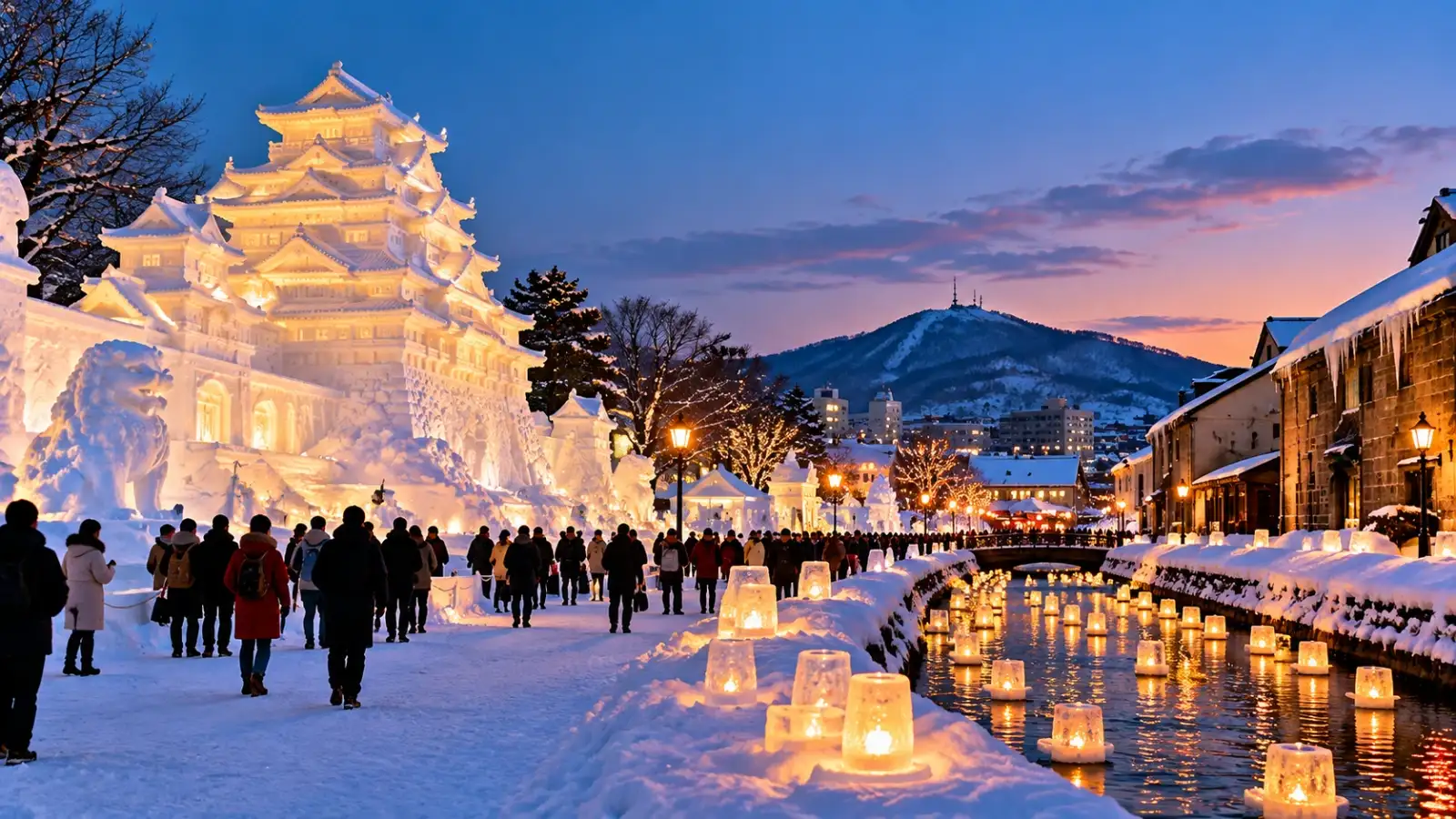
Some communities developed seasonal celebrations around snow, while others used winter gatherings to encourage social interaction during the coldest months. Snow sculptures, lanterns and ice displays gradually became ways to bring people together and showcase local creativity.
Over time, these activities developed into organised festivals. Improvements in transport, tourism promotion and public events helped some celebrations attract visitors from across Japan and overseas.
The event attracted considerable public interest, and its popularity grew in subsequent years. Snow sculptures became larger and more elaborate, while organised competitions and additional attractions expanded the festival's appeal.
Today, the festival is known for its enormous snow sculptures, detailed ice artwork and illuminated displays. Some sculptures depict historical buildings, popular characters or internationally recognised landmarks. The event has become an important part of Sapporo's winter identity.
The region's winter festivals also reflect the efforts of local communities to make the most of their environment. Snow that can disrupt transport and daily routines becomes a creative material for artists and organisers.
Hokkaido's reputation as a winter destination has grown alongside improvements in tourism facilities, accommodation and transport. Visitors can now combine festival visits with activities such as skiing, hot spring bathing and sampling regional food.
The festival grew from local efforts to create a distinctive winter event for the city. Organisers and artists use large quantities of snow to build detailed displays, with designs changing from year to year.
In addition to sculptures, the event can include performances, family activities and illuminated installations. Its development illustrates how a local winter celebration can become a recognised part of a city's cultural calendar.
The festival began in 1999 in Otaru, a historic port city in Hokkaido. Its warm lights and snow-covered streets create a distinctive contrast during the winter evenings.
The event also makes use of the city's historic character, with displays appearing around waterways and old streets. Community participation remains an important element, as volunteers and local residents help create and maintain the installations.
In certain regions, snow and ice are incorporated into ceremonies or displays associated with prayers for good harvests, safety or prosperity. Other events focus primarily on artistic expression and entertainment.
These traditions should not be treated as identical. Each festival has its own history, and the meaning of its activities depends on the community that organises it. Together, they show how Japan's winter celebrations combine local identity with seasonal creativity.
Photography and television also increased their visibility, particularly as snow sculptures grew more elaborate. International visitors began including winter festivals in wider trips around Japan.
Tourism now supports local businesses such as hotels, restaurants, transport operators and shops. At the same time, organisers must manage crowds, maintain safety around large sculptures and adapt to changing snowfall and weather conditions.
Japan's snow and ice festivals grew from a variety of local customs, community projects and winter celebrations. The Sapporo Snow Festival's beginnings as a student-led sculpture event demonstrate how a modest initiative can develop into an internationally recognised attraction. Other festivals, including those in Asahikawa and Otaru, highlight different ways communities use snow, ice and light to express local character. Beyond their visual appeal, these events reflect Japan's ability to turn the challenges of winter into opportunities for creativity, cultural exchange and community participation.
1. How Japan's Snow Festival Tradition Began
Japan's snow festivals have different origins, shaped by local traditions and the climate of each region. In northern Japan, heavy snowfall has long influenced everyday life, making winter a defining part of the local calendar.Some communities developed seasonal celebrations around snow, while others used winter gatherings to encourage social interaction during the coldest months. Snow sculptures, lanterns and ice displays gradually became ways to bring people together and showcase local creativity.
Over time, these activities developed into organised festivals. Improvements in transport, tourism promotion and public events helped some celebrations attract visitors from across Japan and overseas.
2. The Sapporo Snow Festival: From School Project to International Event
The Sapporo Snow Festival, held in Hokkaido, is among Japan's most famous winter celebrations. Its history began in 1950, when local high school students created snow sculptures in Odori Park with support from the local community.The event attracted considerable public interest, and its popularity grew in subsequent years. Snow sculptures became larger and more elaborate, while organised competitions and additional attractions expanded the festival's appeal.
Today, the festival is known for its enormous snow sculptures, detailed ice artwork and illuminated displays. Some sculptures depict historical buildings, popular characters or internationally recognised landmarks. The event has become an important part of Sapporo's winter identity.
3. Why Hokkaido Became a Centre for Snow Festivals
Hokkaido, Japan's northernmost main island, experiences long winters and substantial snowfall in many areas. These conditions provide a natural setting for building snow sculptures and creating outdoor winter attractions.The region's winter festivals also reflect the efforts of local communities to make the most of their environment. Snow that can disrupt transport and daily routines becomes a creative material for artists and organisers.
Hokkaido's reputation as a winter destination has grown alongside improvements in tourism facilities, accommodation and transport. Visitors can now combine festival visits with activities such as skiing, hot spring bathing and sampling regional food.
4. The Asahikawa Winter Festival and Its Giant Sculptures
Another major Hokkaido event is the Asahikawa Winter Festival, which began in 1960. It is known for its large snow sculptures and impressive snow structures that often become central attractions for visitors.The festival grew from local efforts to create a distinctive winter event for the city. Organisers and artists use large quantities of snow to build detailed displays, with designs changing from year to year.
In addition to sculptures, the event can include performances, family activities and illuminated installations. Its development illustrates how a local winter celebration can become a recognised part of a city's cultural calendar.
5. Otaru Snow Light Path : The Beauty of Small Ice Displays
Unlike festivals centred on enormous sculptures, Otaru Snow Light Path focuses on the atmosphere created by snow, candles and small illuminated displays.The festival began in 1999 in Otaru, a historic port city in Hokkaido. Its warm lights and snow-covered streets create a distinctive contrast during the winter evenings.
The event also makes use of the city's historic character, with displays appearing around waterways and old streets. Community participation remains an important element, as volunteers and local residents help create and maintain the installations.
6. How Religious and Local Customs Influence Winter Festivals
Not every Japanese snow or ice festival began as a tourism event. Some winter celebrations have connections with local beliefs, seasonal customs and community traditions.In certain regions, snow and ice are incorporated into ceremonies or displays associated with prayers for good harvests, safety or prosperity. Other events focus primarily on artistic expression and entertainment.
These traditions should not be treated as identical. Each festival has its own history, and the meaning of its activities depends on the community that organises it. Together, they show how Japan's winter celebrations combine local identity with seasonal creativity.
7. How Snow Festivals Became Major Tourist Attractions
As Japan's transport networks expanded, winter festivals became easier for visitors to reach. Organised events, accommodation options and publicity helped attract travellers interested in seasonal scenery and cultural experiences.Photography and television also increased their visibility, particularly as snow sculptures grew more elaborate. International visitors began including winter festivals in wider trips around Japan.
Tourism now supports local businesses such as hotels, restaurants, transport operators and shops. At the same time, organisers must manage crowds, maintain safety around large sculptures and adapt to changing snowfall and weather conditions.
Japan's snow and ice festivals grew from a variety of local customs, community projects and winter celebrations. The Sapporo Snow Festival's beginnings as a student-led sculpture event demonstrate how a modest initiative can develop into an internationally recognised attraction. Other festivals, including those in Asahikawa and Otaru, highlight different ways communities use snow, ice and light to express local character. Beyond their visual appeal, these events reflect Japan's ability to turn the challenges of winter into opportunities for creativity, cultural exchange and community participation.
Next Story