
How Did the World's First Botanical Gardens Come Into Existence?

Botanical gardens are now known for their beautiful landscapes, rare plants and peaceful walking paths. However, their origins are closely connected to medicine, education and the study of nature. Long before modern botanical gardens became popular public attractions, people cultivated organised collections of plants to understand their uses, especially for treating illnesses. Over the centuries, these gardens developed into important centres for scientific research, plant conservation and horticultural learning. Their history stretches across different civilisations, from ancient medicinal gardens to the formal university gardens established in Renaissance Europe. Understanding how they began reveals an interesting connection between human curiosity and the natural world.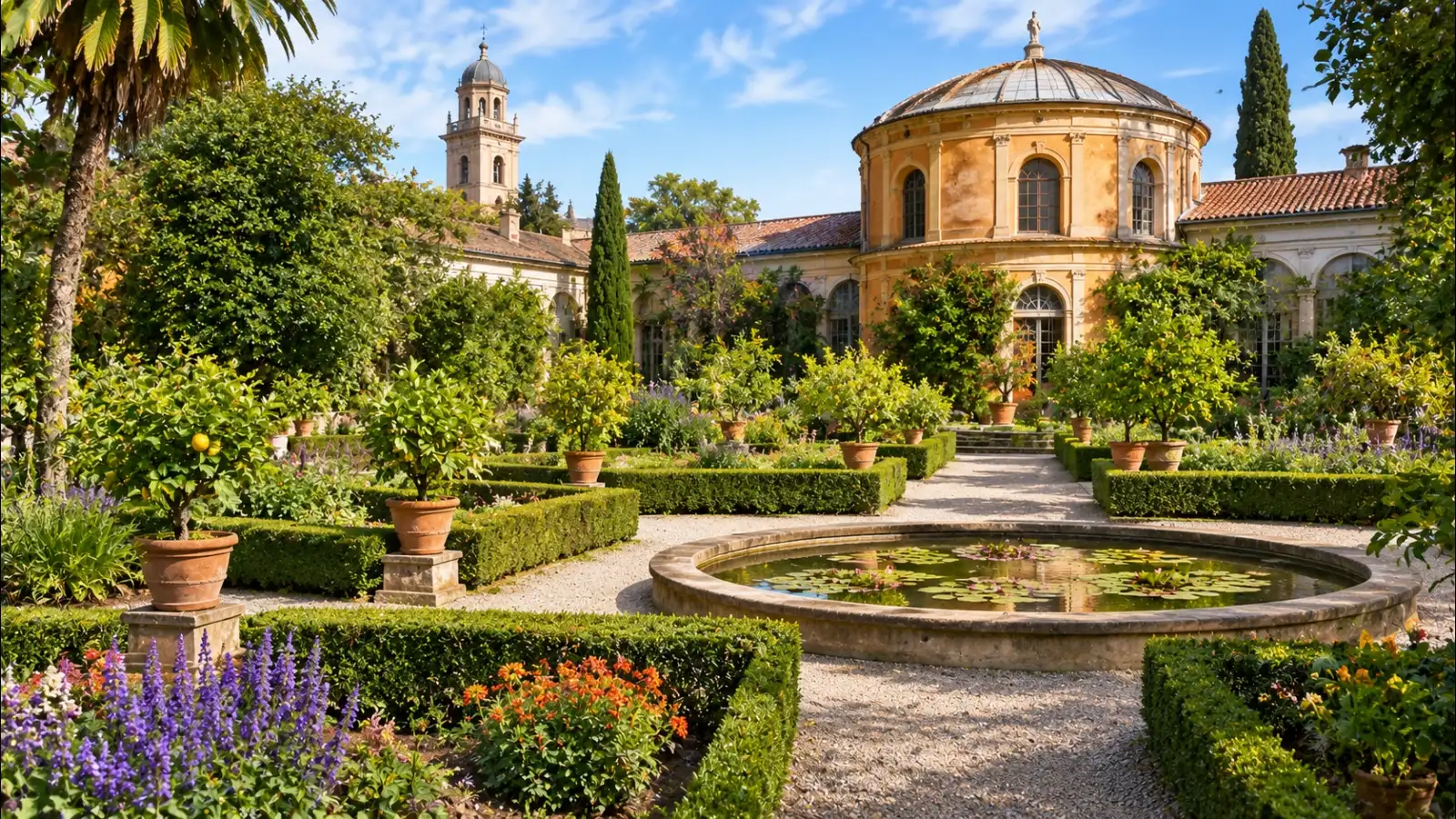
Medicinal plants were particularly important because they were used in traditional healing practices. Growing them in organised spaces made it easier to study, identify and collect ingredients.
Ancient Egyptian gardens, for example, included plants used for food, fragrance and medicinal preparations. In other regions, physicians and scholars recorded plant properties in written texts. These early practices helped establish the foundation for organised botanical study, although they were not botanical gardens in the modern scientific sense.
These gardens were particularly useful for teaching medical students about herbs and medicinal ingredients. Instead of relying only on illustrations or written descriptions, students could observe plants directly and learn to identify them.
This approach also encouraged more systematic plant collection and classification, helping botany gradually develop into a recognised scientific discipline.
Its original purpose was closely linked to the study of medicinal plants. The garden later moved to its present location in 1591 and continued to develop as a centre for botanical education and research.
The garden is particularly significant because it has remained in its original location. Its historic circular layout, central water feature and carefully organised planting areas reflect the educational purpose behind its creation.
Today, the Orto Botanico di Padova is recognised as a UNESCO World Heritage Site.
Universities and scientific institutions began creating gardens to support medical education, plant identification and research. Some gardens also became important centres for exchanging seeds and specimens from different parts of the world.
As European exploration expanded, botanists collected plants from Asia, Africa and the Americas. These discoveries introduced new species into botanical collections and increased interest in understanding global plant diversity.
Gardens gradually moved beyond their original medicinal purpose and became places for studying plant geography, classification and cultivation.
Some also played a role in studying economically important plants, including crops, spices and useful trees. Their collections helped researchers understand how plants could grow in different climates and environments.
Over time, many botanical gardens opened their doors to wider audiences. Visitors could explore different plant species while learning about nature and horticulture.
Ancient Roots: Why People First Started Growing Medicinal Plants
The idea of cultivating plants for practical knowledge existed long before the modern botanical garden. Ancient civilisations in Egypt, China, India, Greece and Mesopotamia documented the uses of herbs, flowers and other plants.Medicinal plants were particularly important because they were used in traditional healing practices. Growing them in organised spaces made it easier to study, identify and collect ingredients.
Ancient Egyptian gardens, for example, included plants used for food, fragrance and medicinal preparations. In other regions, physicians and scholars recorded plant properties in written texts. These early practices helped establish the foundation for organised botanical study, although they were not botanical gardens in the modern scientific sense.
The Renaissance Changed the Way Europeans Studied Plants
A major development in the history of botanical gardens took place during the European Renaissance. Growing interest in medicine, anatomy and natural science encouraged universities to establish dedicated gardens where students could study living plants.These gardens were particularly useful for teaching medical students about herbs and medicinal ingredients. Instead of relying only on illustrations or written descriptions, students could observe plants directly and learn to identify them.
This approach also encouraged more systematic plant collection and classification, helping botany gradually develop into a recognised scientific discipline.
The World's First University Botanical Gardens
Some of the earliest surviving university botanical gardens were established in Italy during the 16th century.Orto Botanico di Pisa, Italy
The Botanical Garden of Pisa was founded in 1543 under the direction of botanist Luca Ghini, with support from the university. It is generally recognised as the earliest university botanical garden in Europe.Its original purpose was closely linked to the study of medicinal plants. The garden later moved to its present location in 1591 and continued to develop as a centre for botanical education and research.
Orto Botanico di Padova, Italy
The Botanical Garden of Padua was established in 1545 by the University of Padua. It was created to help medical students identify medicinal plants accurately.The garden is particularly significant because it has remained in its original location. Its historic circular layout, central water feature and carefully organised planting areas reflect the educational purpose behind its creation.
Today, the Orto Botanico di Padova is recognised as a UNESCO World Heritage Site.
How Botanical Gardens Spread Across Europe
Following the establishment of university gardens in Italy, the concept gradually spread to other European countries.Universities and scientific institutions began creating gardens to support medical education, plant identification and research. Some gardens also became important centres for exchanging seeds and specimens from different parts of the world.
As European exploration expanded, botanists collected plants from Asia, Africa and the Americas. These discoveries introduced new species into botanical collections and increased interest in understanding global plant diversity.
Gardens gradually moved beyond their original medicinal purpose and became places for studying plant geography, classification and cultivation.
The Development of Modern Botanical Gardens
By the 18th and 19th centuries, botanical gardens had become important scientific institutions. They supported research into plant classification, agriculture, horticulture and ecology.Some also played a role in studying economically important plants, including crops, spices and useful trees. Their collections helped researchers understand how plants could grow in different climates and environments.
Over time, many botanical gardens opened their doors to wider audiences. Visitors could explore different plant species while learning about nature and horticulture.
What Role Do Botanical Gardens Play Today?
Modern botanical gardens perform several important functions beyond displaying beautiful plants.- Plant Conservation: They help protect rare and threatened plant species through cultivation and seed conservation.
- Scientific Research: Researchers study plant growth, classification, genetics and environmental adaptation.
- Environmental Education: Gardens introduce visitors to biodiversity, ecosystems and the importance of plants.
- Horticultural Learning: They provide opportunities to understand gardening, propagation and sustainable cultivation.
- Public Recreation: Their landscaped spaces offer places for visitors to explore nature and enjoy outdoor surroundings.
Next Story