
Holi 2026: Why Is A Bride’s First Holi Not Celebrated At Her In-Laws’ House?

As Holi 2026 approaches, conversations around festive customs resurface, including one intriguing belief, a newlywed bride should not celebrate her first Holi with her in-laws. While festivals symbolise joy and togetherness, certain Holi traditions suggest otherwise. This cultural belief has mythological, emotional and spiritual layers worth exploring.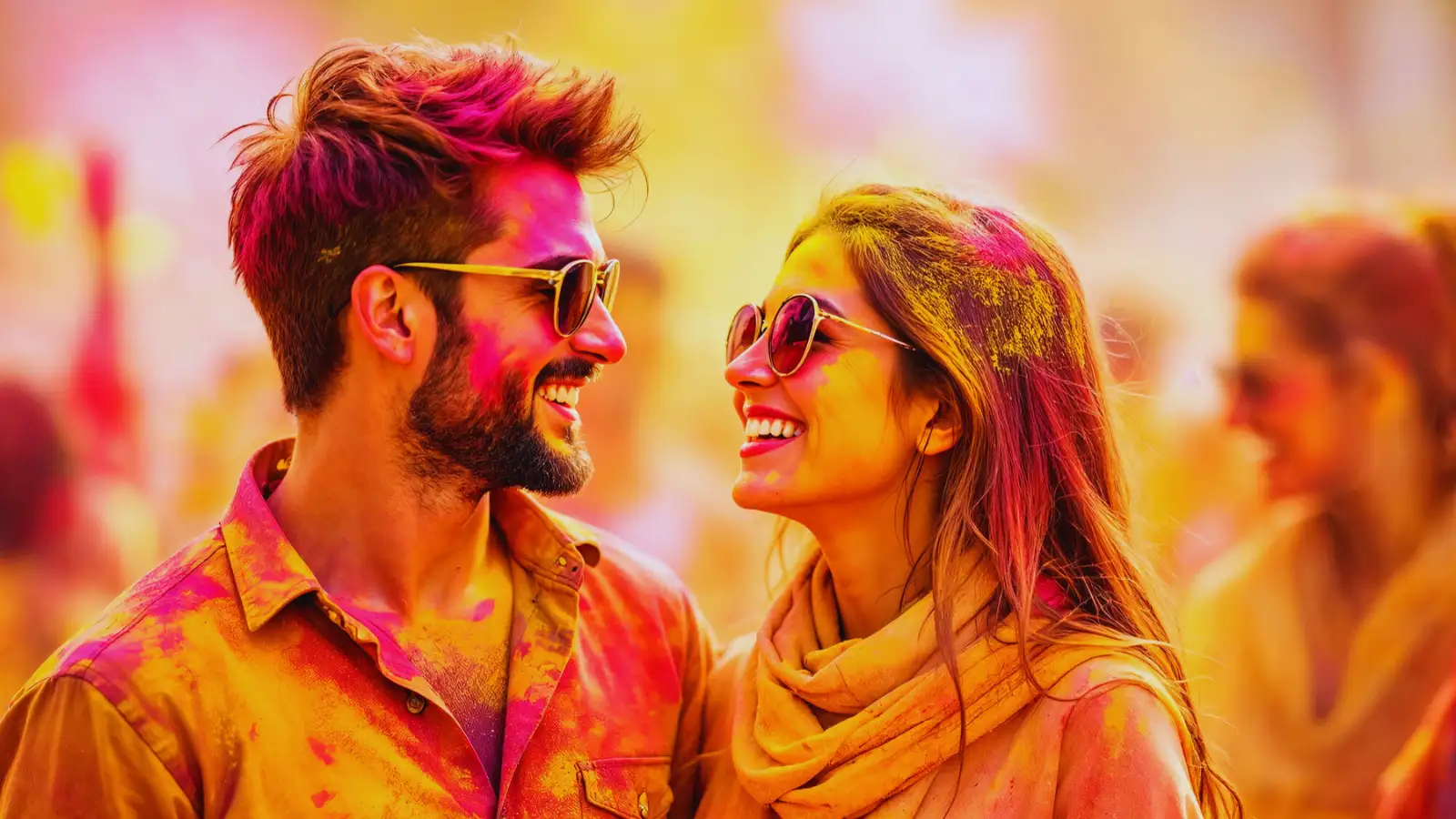
The Mythological Legend Behind the Custom
One popular legend connects this belief to Holika, the sister of King Hiranyakashipu. According to folklore, Holika was engaged to Prince Ilouji. Their wedding procession was on its way when Holika entered the fire with Prahlad, leading to her tragic death. The celebration turned into mourning before her married life even began.
This heartbreaking tale is often cited as the reason why a newlywed bride is advised not to witness Holika Dahan in her new home. The story symbolises an interrupted beginning, making families cautious about repeating such “inauspicious” energy during a bride’s first Holi after marriage .
Maintaining Harmony in the Household
Another belief centres on relationships, especially between mother-in-law and daughter-in-law. Traditional views suggest that if both witness the Holika Dahan together during the bride’s first year, it may create misunderstandings or tension in the future.
While this may sound like superstition, culturally it reflects the importance placed on preserving harmony in the household. By allowing the bride to celebrate her first Holi at her parental home, families symbolically ease her transition into married life.
Read More: Holi Beyond India: 7 Countries That Celebrate The Festival Of Colors
Spiritual Symbolism and Protective Beliefs
From a spiritual perspective, Holika Dahan represents the victory of good over evil, but the ritual fire is considered powerful and intense. A newlywed bride symbolises new beginnings, prosperity and fertility. Some traditions believe that exposing her to the fierce energy of the bonfire during her first year may negatively affect her marital journey or future well-being.
Tradition or Superstition?
Whether viewed as an ancient superstition or a thoughtful emotional practice, this Holi custom ultimately aims to safeguard happiness and family unity. In modern times, many couples interpret it flexibly, balancing belief with practicality.
As Holi 2026 arrives, the essence of the festival remains love, colour and positivity regardless of where it is celebrated.
The Mythological Legend Behind the Custom
One popular legend connects this belief to Holika, the sister of King Hiranyakashipu. According to folklore, Holika was engaged to Prince Ilouji. Their wedding procession was on its way when Holika entered the fire with Prahlad, leading to her tragic death. The celebration turned into mourning before her married life even began. This heartbreaking tale is often cited as the reason why a newlywed bride is advised not to witness Holika Dahan in her new home. The story symbolises an interrupted beginning, making families cautious about repeating such “inauspicious” energy during a bride’s first Holi after marriage .
Maintaining Harmony in the Household
Another belief centres on relationships, especially between mother-in-law and daughter-in-law. Traditional views suggest that if both witness the Holika Dahan together during the bride’s first year, it may create misunderstandings or tension in the future. While this may sound like superstition, culturally it reflects the importance placed on preserving harmony in the household. By allowing the bride to celebrate her first Holi at her parental home, families symbolically ease her transition into married life.
Read More: Holi Beyond India: 7 Countries That Celebrate The Festival Of Colors
Spiritual Symbolism and Protective Beliefs
From a spiritual perspective, Holika Dahan represents the victory of good over evil, but the ritual fire is considered powerful and intense. A newlywed bride symbolises new beginnings, prosperity and fertility. Some traditions believe that exposing her to the fierce energy of the bonfire during her first year may negatively affect her marital journey or future well-being. Tradition or Superstition?
Whether viewed as an ancient superstition or a thoughtful emotional practice, this Holi custom ultimately aims to safeguard happiness and family unity. In modern times, many couples interpret it flexibly, balancing belief with practicality. As Holi 2026 arrives, the essence of the festival remains love, colour and positivity regardless of where it is celebrated.
Next Story