
From Waste To Wow: How To Create A Beautiful, Eco-friendly Living Space

Creating a beautiful home doesn’t have to come at the expense of the planet. As more people embrace sustainability in their daily lives, eco-friendly home décor has emerged as a powerful way to reduce environmental impact while still maintaining comfort, style and personality. Whether you're renovating your space or just looking to refresh a few corners, choosing sustainable materials, repurposing old items, and shopping mindfully can go a long way in making your home greener. With a little creativity and conscious decision-making, it's entirely possible to have a stunning space that reflects your values.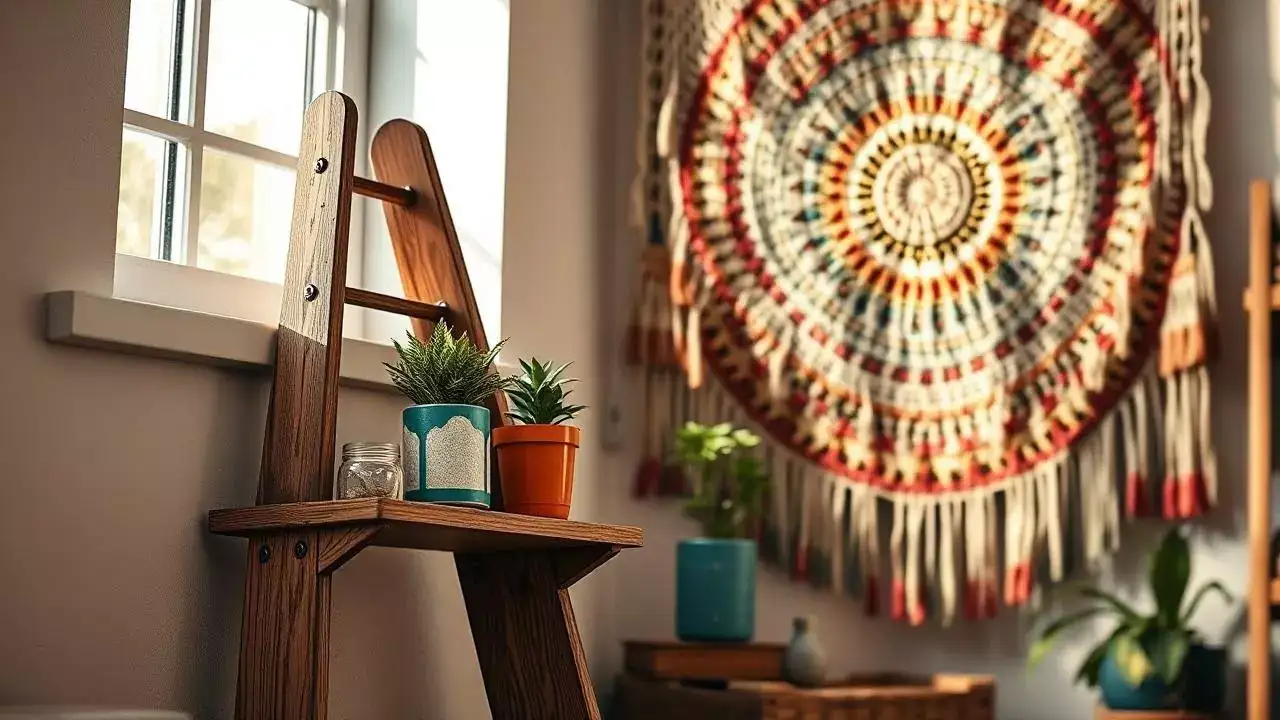
Understanding Sustainable Home Décor
Sustainable home décor refers to design and decoration practices that minimise environmental harm, reduce waste, and promote ethical production. It involves using materials that are either recycled, reclaimed, biodegradable, or responsibly sourced. It also extends to choosing furnishings and accessories that are durable, non-toxic, and manufactured under fair labour practices.
The core idea is to shift from fast décor — where cheaply made items are discarded after short use — to mindful decorating that prioritises longevity, reusability, and minimal ecological footprint.
Choose Natural and Recycled Materials
When it comes to furniture and decorative items, natural materials such as bamboo, rattan, jute, cork, and responsibly sourced wood are excellent options. These materials are not only biodegradable but also add warmth and texture to interiors. Avoid synthetic materials that contribute to landfill waste and often release harmful chemicals over time.
Recycled materials are also a fantastic way to reduce your impact. Items made from repurposed wood, metal or glass can be both stylish and sustainable. For instance, a table made from reclaimed timber not only has character but also tells a story. Similarly, recycled glass vases or mirrors can add sparkle to your home without adding strain on the planet.
Buy Less, But Better
The concept of 'buying less, but better' is at the heart of sustainable living. Instead of filling your space with trendy but poor-quality pieces, invest in well-crafted items that will last for years. This applies to furniture, textiles, lighting and even decorative accessories. Look for craftsmanship, quality finishes, and timeless design that won’t go out of fashion quickly.
Thrift shops, antique markets and online second-hand platforms are treasure troves of unique, high-quality finds. Buying pre-loved not only keeps items out of landfills but also supports a circular economy, where products are reused and reimagined rather than discarded.
Embrace Upcycling and DIY
One of the most creative aspects of sustainable decorating is upcycling — transforming old or unused items into something new and beautiful. An old ladder can become a bookshelf, worn-out drawers can be turned into planters, and glass jars can be used as stylish light fixtures or storage.
DIY projects offer a chance to personalise your space while reducing waste. Whether it’s painting an old chest of drawers, sewing your own cushion covers from scrap fabric, or crafting wall art from discarded materials, there’s no limit to how innovative you can be. These touches add charm and uniqueness to your home that mass-produced items simply can’t match.
Opt for Non-Toxic Finishes and Paints
Many conventional paints and finishes release volatile organic compounds (VOCs) into the air, which can be harmful to both health and the environment. When decorating, choose low-VOC or VOC-free paints and natural finishes like beeswax or plant-based oils. These products reduce indoor air pollution and create a healthier living space for you and your family.
Additionally, look for upholstery and textiles that are dyed with natural or low-impact dyes and avoid those treated with flame retardants or other harsh chemicals.
Bring Nature Indoors
Plants are one of the simplest and most effective ways to create a sustainable and calming interior. They improve air quality, reduce stress, and add a refreshing touch of greenery to any space. Choose hardy indoor varieties like snake plants, pothos or peace lilies, which require little maintenance but make a big impact.
Sustainable décor can also include nature-inspired elements such as stone, driftwood, dried flowers, and woven baskets. These bring organic beauty into your home while reducing the need for synthetic items.
Lighting and Energy Efficiency
Incorporating energy-efficient lighting not only reduces your electricity bill but also contributes to a greener home. Switch to LED bulbs, which use significantly less power and last much longer than traditional incandescent ones. Make the most of natural light during the day to cut down on artificial lighting needs. Skylights, large windows, and light-coloured interiors can help brighten up a space naturally.
Also, be mindful of the energy consumption of appliances and fixtures. Choose energy-efficient models and use smart plugs or timers to minimise unnecessary power usage.
Sustainable home décor is more than just a design trend — it’s a commitment to living in harmony with the environment. By making conscious choices in the way we furnish and decorate our spaces, we can create homes that are not only stylish and inviting but also kinder to the planet. From repurposing existing pieces to choosing ethically made products, every small step counts. Embracing sustainability at home isn’t about sacrificing beauty — it’s about redefining it.
Understanding Sustainable Home Décor
Sustainable home décor refers to design and decoration practices that minimise environmental harm, reduce waste, and promote ethical production. It involves using materials that are either recycled, reclaimed, biodegradable, or responsibly sourced. It also extends to choosing furnishings and accessories that are durable, non-toxic, and manufactured under fair labour practices.
The core idea is to shift from fast décor — where cheaply made items are discarded after short use — to mindful decorating that prioritises longevity, reusability, and minimal ecological footprint.
Choose Natural and Recycled Materials
When it comes to furniture and decorative items, natural materials such as bamboo, rattan, jute, cork, and responsibly sourced wood are excellent options. These materials are not only biodegradable but also add warmth and texture to interiors. Avoid synthetic materials that contribute to landfill waste and often release harmful chemicals over time.
Recycled materials are also a fantastic way to reduce your impact. Items made from repurposed wood, metal or glass can be both stylish and sustainable. For instance, a table made from reclaimed timber not only has character but also tells a story. Similarly, recycled glass vases or mirrors can add sparkle to your home without adding strain on the planet.
Buy Less, But Better
The concept of 'buying less, but better' is at the heart of sustainable living. Instead of filling your space with trendy but poor-quality pieces, invest in well-crafted items that will last for years. This applies to furniture, textiles, lighting and even decorative accessories. Look for craftsmanship, quality finishes, and timeless design that won’t go out of fashion quickly.
Thrift shops, antique markets and online second-hand platforms are treasure troves of unique, high-quality finds. Buying pre-loved not only keeps items out of landfills but also supports a circular economy, where products are reused and reimagined rather than discarded.
Embrace Upcycling and DIY
One of the most creative aspects of sustainable decorating is upcycling — transforming old or unused items into something new and beautiful. An old ladder can become a bookshelf, worn-out drawers can be turned into planters, and glass jars can be used as stylish light fixtures or storage.
DIY projects offer a chance to personalise your space while reducing waste. Whether it’s painting an old chest of drawers, sewing your own cushion covers from scrap fabric, or crafting wall art from discarded materials, there’s no limit to how innovative you can be. These touches add charm and uniqueness to your home that mass-produced items simply can’t match.
You may also like
- Quote of the day by Helen Keller: “Life is either a daring adventure or nothing”; the travel lesson from a woman who travelled across 35 countries without sight or sound
- At 92, Hyderabad gynaecologist Dr Suri Srimathi still performs surgeries after six decades in medicine: 'We cannot refuse to treat people when they need help', she says
- How Will the Mumbai-Ahmedabad Bullet Train Stop Safely at 320 km/h During an Earthquake?
- Kitchen Cleaning Tips: How to clean the gap between the gas stove and the stove? Note this 1 trick.
- Rubella Virus in Jharkhand: Rubella virus found in Jharkhand; learn about its symptoms and prevention methods
Opt for Non-Toxic Finishes and Paints
Many conventional paints and finishes release volatile organic compounds (VOCs) into the air, which can be harmful to both health and the environment. When decorating, choose low-VOC or VOC-free paints and natural finishes like beeswax or plant-based oils. These products reduce indoor air pollution and create a healthier living space for you and your family.
Additionally, look for upholstery and textiles that are dyed with natural or low-impact dyes and avoid those treated with flame retardants or other harsh chemicals.
Bring Nature Indoors
Plants are one of the simplest and most effective ways to create a sustainable and calming interior. They improve air quality, reduce stress, and add a refreshing touch of greenery to any space. Choose hardy indoor varieties like snake plants, pothos or peace lilies, which require little maintenance but make a big impact.
Sustainable décor can also include nature-inspired elements such as stone, driftwood, dried flowers, and woven baskets. These bring organic beauty into your home while reducing the need for synthetic items.
Lighting and Energy Efficiency
Incorporating energy-efficient lighting not only reduces your electricity bill but also contributes to a greener home. Switch to LED bulbs, which use significantly less power and last much longer than traditional incandescent ones. Make the most of natural light during the day to cut down on artificial lighting needs. Skylights, large windows, and light-coloured interiors can help brighten up a space naturally.
Also, be mindful of the energy consumption of appliances and fixtures. Choose energy-efficient models and use smart plugs or timers to minimise unnecessary power usage.
Sustainable home décor is more than just a design trend — it’s a commitment to living in harmony with the environment. By making conscious choices in the way we furnish and decorate our spaces, we can create homes that are not only stylish and inviting but also kinder to the planet. From repurposing existing pieces to choosing ethically made products, every small step counts. Embracing sustainability at home isn’t about sacrificing beauty — it’s about redefining it.






Loving Newspoint? Download the app now
