
Common Interior Styling Blunders & How To Fix Them For A Cohesive Look

Decorating your home can be one of the most rewarding aspects of creating a personal living space, but even with the best intentions, it’s easy to make styling errors that undermine the final result. From poor lighting choices to mismatched furniture and overlooked proportions, common home décor mistakes can leave a room feeling unbalanced, cramped, or simply off. Whether you’re revamping a single room or redecorating your entire home, knowing what to avoid is just as important as knowing what to include. Here’s a practical guide to the most frequent décor pitfalls—and how to sidestep them for a beautifully cohesive interior.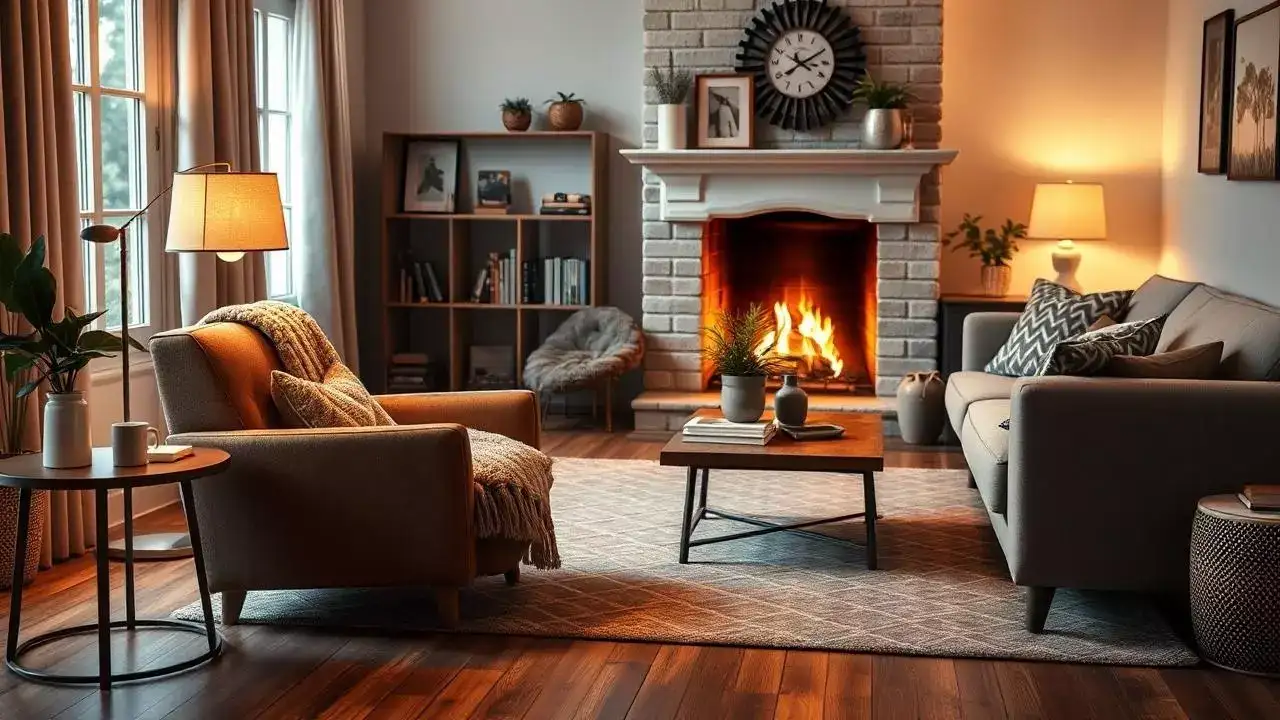
Ignoring the Importance of Lighting
Lighting is one of the most overlooked aspects of home décor, yet it plays a crucial role in how a space feels and functions. Relying solely on overhead lighting can leave rooms looking harsh or cold. A well-designed space should incorporate a mix of lighting types—ambient, task, and accent. Floor lamps, table lamps, wall sconces and under-cabinet lights all serve different purposes. Consider the room’s natural light and layer different sources to create depth and atmosphere, especially during evenings or in windowless rooms.
Pushing Furniture Against the Walls
It’s a common misconception that pushing all furniture to the edges of a room will make it feel larger. In reality, this layout can result in a disconnected, awkward space. Pulling furniture slightly away from the walls helps create a more intimate setting and encourages conversation. Floating sofas or armchairs with a rug underneath can define zones within an open-plan area and make the room feel more purposeful and welcoming.
Choosing Style Over Comfort
It’s easy to fall in love with a stunning piece of furniture online or in a showroom, only to find it’s uncomfortable or impractical at home. Prioritising looks over comfort can lead to long-term regret. Always test seating before purchasing if possible, and consider how it will be used in your daily life. Think about the materials too—delicate fabrics might not fare well in households with children or pets. Balance aesthetics with function to ensure your home is both beautiful and liveable.
Neglecting Scale and Proportion
Decorating without considering the scale and proportion of your furniture and décor can make even a well-designed room feel chaotic. Oversized furniture in a small space can appear cramped, while tiny pieces in a large room can feel lost. Take measurements before buying key pieces and plan your layout accordingly. When it comes to artwork or mirrors, avoid going too small. A larger piece can actually make a space feel bigger and more cohesive.
Overusing Matching Sets
While matching furniture sets might seem like a quick and easy solution, they often result in a lack of character and visual interest. A room should feel collected over time, not like it came straight from a catalogue. Mix different textures, finishes, and styles to create a more dynamic space. For example, pair a modern coffee table with a vintage rug or mix metals and wood tones for added depth and warmth.
Overdecorating and Cluttering
Less is often more in home décor. Overcrowding your space with too many accessories, furniture pieces, or colours can make it feel cluttered and stressful. Instead, focus on a few statement pieces and edit down your collections. Leave breathing space around items to let them shine. Consider rotating decorative accents seasonally to keep things fresh without overwhelming the room.
Hanging Artwork Too High
Artwork that’s hung too high can throw off the balance of an entire room. A good rule of thumb is to place the centre of the piece at eye level, roughly 145–150 cm from the floor. When hanging art above furniture, such as a sofa or console, aim for it to be around 15–20 cm above the top edge. Make sure it’s proportionate to the piece beneath it, ideally occupying about two-thirds of the width.
Neglecting Personal Touches
While it's important to avoid clutter, going too minimal can leave a room feeling cold or impersonal. Your home should reflect your personality, values, and experiences. Family photos, travel mementoes, meaningful books, or artwork by local artists can add a personal narrative to your space. These elements create a sense of belonging and make your home truly your own.
Choosing Paint Colours First
It might be tempting to pick a paint colour before selecting furniture or décor, but it’s often wiser to decide on textiles and key pieces first. Paint comes in endless shades and is relatively easy to change. It's much harder to find a sofa or rug that matches a very specific wall colour. Build your palette around fixed elements like flooring, large furniture or existing architectural features, and choose paint colours that complement them.
Overlooking the Ceiling and Floors
Ceilings and floors are often forgotten when decorating, but they significantly affect the overall design. A statement light fixture or painted ceiling can draw the eye upwards and add drama. Rugs are essential in anchoring furniture and introducing texture or colour. Don’t be afraid to use bold choices here to create visual interest and tie the room together.
Avoiding common home décor mistakes is all about being thoughtful and intentional with your choices. Every item should serve a purpose, whether functional, aesthetic, or emotional. By paying attention to detail, proportion, and atmosphere, you can create a home that not only looks good but feels just right for you and your lifestyle.
Ignoring the Importance of Lighting
Lighting is one of the most overlooked aspects of home décor, yet it plays a crucial role in how a space feels and functions. Relying solely on overhead lighting can leave rooms looking harsh or cold. A well-designed space should incorporate a mix of lighting types—ambient, task, and accent. Floor lamps, table lamps, wall sconces and under-cabinet lights all serve different purposes. Consider the room’s natural light and layer different sources to create depth and atmosphere, especially during evenings or in windowless rooms.
Pushing Furniture Against the Walls
It’s a common misconception that pushing all furniture to the edges of a room will make it feel larger. In reality, this layout can result in a disconnected, awkward space. Pulling furniture slightly away from the walls helps create a more intimate setting and encourages conversation. Floating sofas or armchairs with a rug underneath can define zones within an open-plan area and make the room feel more purposeful and welcoming.
Choosing Style Over Comfort
It’s easy to fall in love with a stunning piece of furniture online or in a showroom, only to find it’s uncomfortable or impractical at home. Prioritising looks over comfort can lead to long-term regret. Always test seating before purchasing if possible, and consider how it will be used in your daily life. Think about the materials too—delicate fabrics might not fare well in households with children or pets. Balance aesthetics with function to ensure your home is both beautiful and liveable.
Neglecting Scale and Proportion
Decorating without considering the scale and proportion of your furniture and décor can make even a well-designed room feel chaotic. Oversized furniture in a small space can appear cramped, while tiny pieces in a large room can feel lost. Take measurements before buying key pieces and plan your layout accordingly. When it comes to artwork or mirrors, avoid going too small. A larger piece can actually make a space feel bigger and more cohesive.
Overusing Matching Sets
While matching furniture sets might seem like a quick and easy solution, they often result in a lack of character and visual interest. A room should feel collected over time, not like it came straight from a catalogue. Mix different textures, finishes, and styles to create a more dynamic space. For example, pair a modern coffee table with a vintage rug or mix metals and wood tones for added depth and warmth.
Overdecorating and Cluttering
Less is often more in home décor. Overcrowding your space with too many accessories, furniture pieces, or colours can make it feel cluttered and stressful. Instead, focus on a few statement pieces and edit down your collections. Leave breathing space around items to let them shine. Consider rotating decorative accents seasonally to keep things fresh without overwhelming the room.
Hanging Artwork Too High
Artwork that’s hung too high can throw off the balance of an entire room. A good rule of thumb is to place the centre of the piece at eye level, roughly 145–150 cm from the floor. When hanging art above furniture, such as a sofa or console, aim for it to be around 15–20 cm above the top edge. Make sure it’s proportionate to the piece beneath it, ideally occupying about two-thirds of the width.
Neglecting Personal Touches
While it's important to avoid clutter, going too minimal can leave a room feeling cold or impersonal. Your home should reflect your personality, values, and experiences. Family photos, travel mementoes, meaningful books, or artwork by local artists can add a personal narrative to your space. These elements create a sense of belonging and make your home truly your own.
Choosing Paint Colours First
It might be tempting to pick a paint colour before selecting furniture or décor, but it’s often wiser to decide on textiles and key pieces first. Paint comes in endless shades and is relatively easy to change. It's much harder to find a sofa or rug that matches a very specific wall colour. Build your palette around fixed elements like flooring, large furniture or existing architectural features, and choose paint colours that complement them.
Overlooking the Ceiling and Floors
Ceilings and floors are often forgotten when decorating, but they significantly affect the overall design. A statement light fixture or painted ceiling can draw the eye upwards and add drama. Rugs are essential in anchoring furniture and introducing texture or colour. Don’t be afraid to use bold choices here to create visual interest and tie the room together.
Avoiding common home décor mistakes is all about being thoughtful and intentional with your choices. Every item should serve a purpose, whether functional, aesthetic, or emotional. By paying attention to detail, proportion, and atmosphere, you can create a home that not only looks good but feels just right for you and your lifestyle.
Next Story