
Homemade Pasta Sauces You Can Freeze for Easy Weeknight Meals

Making pasta at home becomes much easier when you already have a delicious sauce ready to use. Instead of preparing a fresh sauce every time, you can make a larger batch, divide it into portions and freeze it for later. This can save time on busy days while also helping reduce food waste.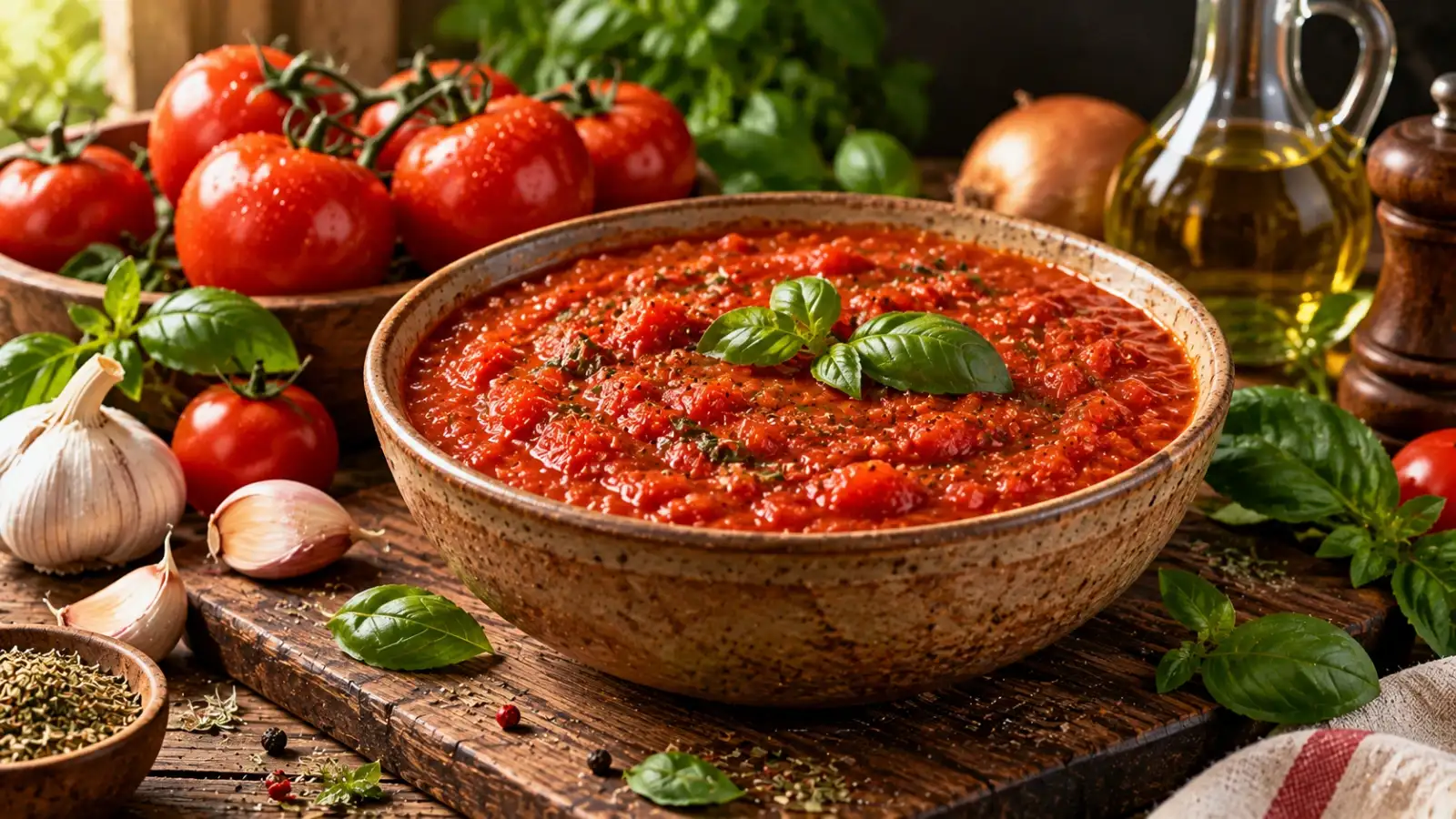
Several homemade pasta sauces freeze well when stored properly. From classic tomato sauce to creamy vegetable blends, these options can be prepared in advance and used whenever you want a quick meal.
Allow the sauce to cool completely before freezing. Store it in small portions so you only need to thaw the amount required for one meal. The sauce can later be reheated in a saucepan and tossed with freshly cooked pasta.
Prepare the sauce as usual and let it cool before transferring it to airtight containers or freezer-safe bags. Leave some room for expansion while freezing. Once thawed, heat it gently and adjust the seasoning if needed.
For better portion control, freeze pesto in small containers or spoon-sized portions. You can thaw it in the refrigerator and stir it into warm pasta. If the pesto appears slightly thick after thawing, a little pasta cooking water can help loosen it.
This type of sauce is particularly useful when you have extra vegetables that need to be used. Freeze the sauce in meal-sized portions and thaw it in the refrigerator before reheating.
For best results, sauces containing a lot of cream may separate slightly when frozen. Stirring the sauce well while reheating can help bring it back together.
After thawing, reheat it gently rather than boiling it rapidly. Stirring frequently can help maintain a smoother consistency.
Use airtight, freezer-safe containers or bags and divide the sauce into portions. Label each container with the name of the sauce and the date it was frozen. This makes it easier to identify older portions.
Most importantly, freeze the sauce separately from the cooked pasta. Cooked pasta can become soft or lose its texture after freezing and thawing, whereas many sauces retain their quality better.
Tomato-based sauces are generally straightforward to reheat. Creamy sauces may require more stirring to restore their consistency. Once the sauce is hot, combine it with freshly cooked pasta.
Freezing homemade sauce is a simple way to make pasta meals more convenient. With a few portions prepared in advance, a quick bowl of pasta can be only minutes away.
Several homemade pasta sauces freeze well when stored properly. From classic tomato sauce to creamy vegetable blends, these options can be prepared in advance and used whenever you want a quick meal.
Classic Tomato Sauce
A simple tomato-based sauce is one of the easiest pasta sauces to freeze. You can prepare it with tomatoes, onion, garlic, olive oil and herbs such as basil or oregano.Allow the sauce to cool completely before freezing. Store it in small portions so you only need to thaw the amount required for one meal. The sauce can later be reheated in a saucepan and tossed with freshly cooked pasta.
Arrabbiata Sauce
If you enjoy a little heat, homemade arrabbiata sauce is a useful freezer staple. It is generally made with tomatoes, garlic, olive oil and chilli.Prepare the sauce as usual and let it cool before transferring it to airtight containers or freezer-safe bags. Leave some room for expansion while freezing. Once thawed, heat it gently and adjust the seasoning if needed.
Pesto Sauce
Pesto can also be frozen, making it convenient for quick pasta meals. A traditional pesto is made with basil, nuts, garlic, cheese and olive oil.For better portion control, freeze pesto in small containers or spoon-sized portions. You can thaw it in the refrigerator and stir it into warm pasta. If the pesto appears slightly thick after thawing, a little pasta cooking water can help loosen it.
Roasted Vegetable Sauce
Roasted vegetables can be blended into a naturally rich pasta sauce. Vegetables such as tomatoes, bell peppers, carrots, pumpkin or courgettes can be roasted with garlic and olive oil before being blended.This type of sauce is particularly useful when you have extra vegetables that need to be used. Freeze the sauce in meal-sized portions and thaw it in the refrigerator before reheating.
Mushroom Sauce
A homemade mushroom-based pasta sauce can be frozen, although its texture may change slightly after thawing. Cook the mushrooms thoroughly and prepare the sauce before allowing it to cool.For best results, sauces containing a lot of cream may separate slightly when frozen. Stirring the sauce well while reheating can help bring it back together.
Creamy Spinach Sauce
Spinach can be blended with ingredients such as garlic, onion and cream or another suitable creamy base to create a smooth pasta sauce. If you plan to freeze it, allow the cooked sauce to cool completely first.After thawing, reheat it gently rather than boiling it rapidly. Stirring frequently can help maintain a smoother consistency.
You may also like
- “We Indians are a disgrace…”: Sumeet Raghavan calls out tourists for littering during Himachal Pradesh trip; what netizens said
- IndiGo flight carrying 110 people was hit by lightning at 17,000 feet; nose damaged but plane landed safely in Lucknow; what travellers should know
- Did Nana Patekar suffer cardiac arrest? Passed away at 75; these symptoms are fatal..
- Here's how to dry-clean blankets and quilts at home without getting them wet..
- Earth has Spoken!
How to Freeze Pasta Sauce Properly
The way you store the sauce can make a big difference to its quality. Always cool freshly cooked sauce before freezing it, but do not leave it sitting at room temperature for an extended period.Use airtight, freezer-safe containers or bags and divide the sauce into portions. Label each container with the name of the sauce and the date it was frozen. This makes it easier to identify older portions.
Most importantly, freeze the sauce separately from the cooked pasta. Cooked pasta can become soft or lose its texture after freezing and thawing, whereas many sauces retain their quality better.
How to Thaw and Reheat Frozen Sauce
For the best results, transfer the frozen sauce to the refrigerator and allow it to thaw gradually. If you need it sooner, you can reheat it gently in a saucepan, adding a small amount of water if necessary.Tomato-based sauces are generally straightforward to reheat. Creamy sauces may require more stirring to restore their consistency. Once the sauce is hot, combine it with freshly cooked pasta.
Freezing homemade sauce is a simple way to make pasta meals more convenient. With a few portions prepared in advance, a quick bowl of pasta can be only minutes away.






Loving Newspoint? Download the app now
