
How to Prepare Homemade Vegetable Bao Buns: A Soft, Fluffy and Delicious Steamed Snack

Vegetable bao buns are soft, fluffy steamed buns filled with a delicious mixture of vegetables and Asian-inspired seasonings. Popular in several East Asian cuisines, these pillowy buns have become a favourite among people who enjoy light yet flavourful snacks. Although they may look complicated to prepare, making them at home is easier than it seems. With a simple dough, fresh vegetables and a few basic ingredients, you can create restaurant-style bao buns in your own kitchen. They are perfect for weekend cooking, evening snacks or as a creative addition to a homemade meal.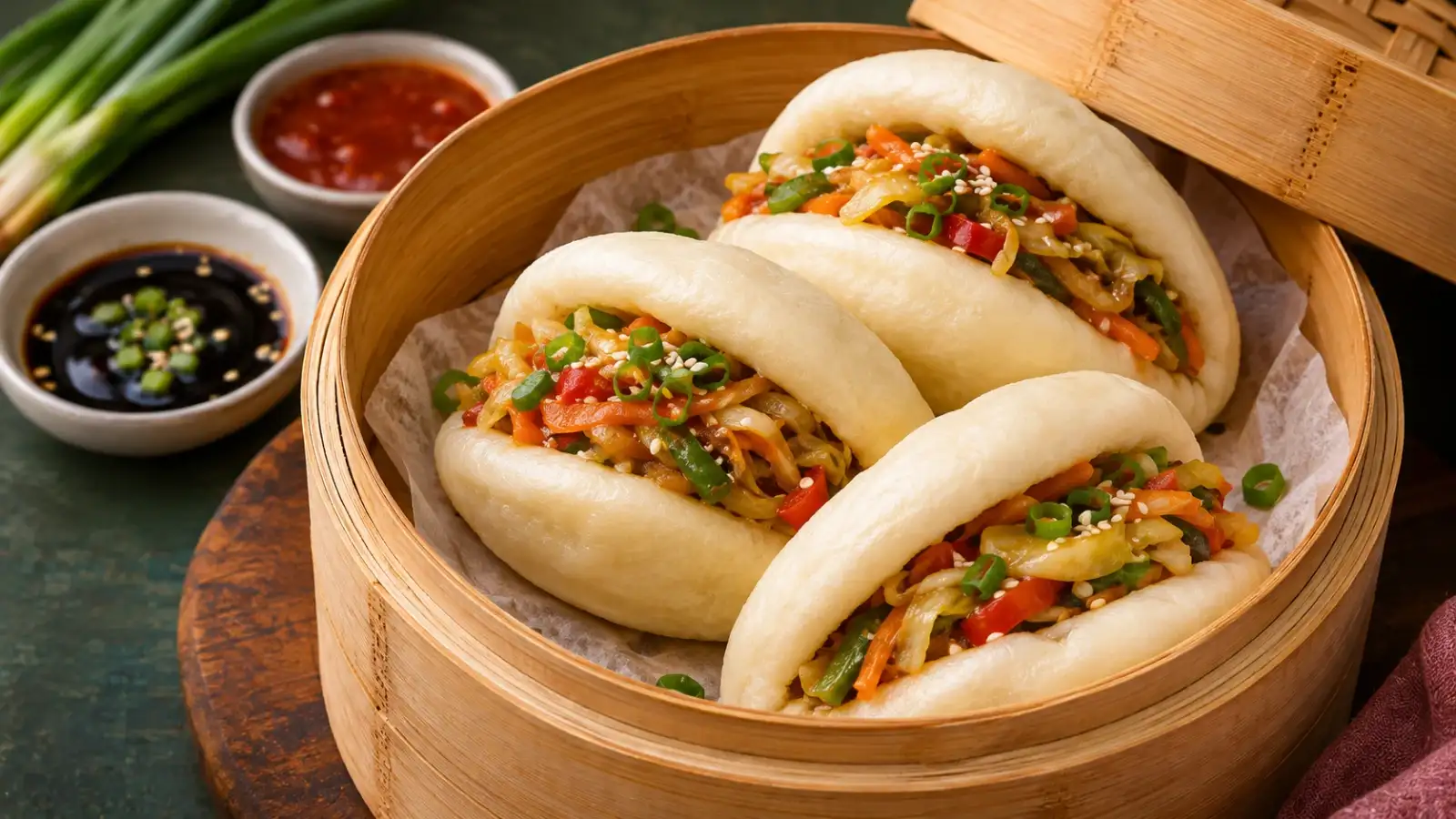
Ingredients for Vegetable Bao Buns
For the dough:
Take a large mixing bowl and combine the flour, instant yeast, sugar, baking powder and salt. Gradually add lukewarm water and mix until a soft dough forms. Add the vegetable oil and knead for around 8 to 10 minutes until the dough becomes smooth and elastic.
Cover the bowl with a clean kitchen towel and leave it in a warm place for about 1 to 1½ hours, or until the dough doubles in size.
Step 2: Make the Vegetable Filling
Heat cooking oil in a pan over medium heat. Add the chopped garlic and ginger, and sauté briefly until fragrant. Add the cabbage, carrot, capsicum and spring onions.
Cook the vegetables over medium-high heat for a few minutes. They should soften slightly while retaining some crunch. Add soy sauce, vinegar, black pepper, sesame oil and salt. Mix well and cook until any excess moisture evaporates. Allow the filling to cool completely before assembling the buns.
Step 3: Shape the Bao Buns
Once the dough has risen, gently press it to release excess air. Divide it into 10 to 12 equal portions and shape each portion into a smooth ball.
Roll each ball into an oval or round disc, approximately 10 centimetres wide. Lightly brush one half with oil and fold it over to create the traditional folded bao shape. Place a small piece of parchment paper inside each fold to prevent the dough from sticking.
Step 4: Let the Buns Rise Again
Arrange the shaped buns on small squares of parchment paper and place them on a tray. Cover them loosely with a clean cloth and let them rest for another 20 to 30 minutes.
This second resting period helps the dough become light and fluffy when steamed. Avoid leaving the buns uncovered, as the surface may dry out.
Step 5: Steam the Bao Buns
Bring water to a gentle boil in a steamer. Arrange the buns inside, leaving enough space between them because they will expand while cooking.
Cover and steam for approximately 10 to 12 minutes over medium heat. Once cooked, turn off the heat and allow the buns to rest inside the covered steamer for another 2 to 3 minutes before opening the lid. This helps prevent sudden temperature changes from making them collapse.
Step 6: Fill and Serve
Carefully open each steamed bun and remove the parchment paper. Add a generous spoonful of the prepared vegetable filling inside.
Serve the warm bao buns with chilli sauce, a soy-based dipping sauce or homemade spicy chutney. You can also add finely sliced spring onions and sesame seeds for extra flavour and texture.
Tips for Making Soft and Fluffy Bao Buns
If you have leftover steamed buns, allow them to cool completely before storing them in an airtight container in the refrigerator for up to two days. Reheat them in a steamer for a few minutes until soft and warm. You can also freeze the steamed buns separately and reheat them directly from frozen, allowing extra steaming time.
Ingredients for Vegetable Bao Buns
For the dough:
- 2 cups all-purpose flour (maida)
- 1 teaspoon instant dry yeast
- 1 tablespoon sugar
- ½ teaspoon baking powder
- ½ teaspoon salt
- ¾ cup lukewarm water (adjust as needed)
- 1 tablespoon vegetable oil
- ½ cup finely chopped cabbage
- ¼ cup grated carrot
- ¼ cup finely chopped capsicum
- ¼ cup finely chopped spring onions
- 1 teaspoon finely chopped garlic
- 1 teaspoon finely chopped ginger
- 1 tablespoon soy sauce
- 1 teaspoon vinegar
- ½ teaspoon black pepper
- 1 teaspoon sesame oil
- 1 tablespoon cooking oil
- Salt to taste
Take a large mixing bowl and combine the flour, instant yeast, sugar, baking powder and salt. Gradually add lukewarm water and mix until a soft dough forms. Add the vegetable oil and knead for around 8 to 10 minutes until the dough becomes smooth and elastic.
Cover the bowl with a clean kitchen towel and leave it in a warm place for about 1 to 1½ hours, or until the dough doubles in size.
Step 2: Make the Vegetable Filling
Heat cooking oil in a pan over medium heat. Add the chopped garlic and ginger, and sauté briefly until fragrant. Add the cabbage, carrot, capsicum and spring onions.
Cook the vegetables over medium-high heat for a few minutes. They should soften slightly while retaining some crunch. Add soy sauce, vinegar, black pepper, sesame oil and salt. Mix well and cook until any excess moisture evaporates. Allow the filling to cool completely before assembling the buns.
Step 3: Shape the Bao Buns
Once the dough has risen, gently press it to release excess air. Divide it into 10 to 12 equal portions and shape each portion into a smooth ball.
Roll each ball into an oval or round disc, approximately 10 centimetres wide. Lightly brush one half with oil and fold it over to create the traditional folded bao shape. Place a small piece of parchment paper inside each fold to prevent the dough from sticking.
Step 4: Let the Buns Rise Again
Arrange the shaped buns on small squares of parchment paper and place them on a tray. Cover them loosely with a clean cloth and let them rest for another 20 to 30 minutes.
This second resting period helps the dough become light and fluffy when steamed. Avoid leaving the buns uncovered, as the surface may dry out.
Step 5: Steam the Bao Buns
Bring water to a gentle boil in a steamer. Arrange the buns inside, leaving enough space between them because they will expand while cooking.
Cover and steam for approximately 10 to 12 minutes over medium heat. Once cooked, turn off the heat and allow the buns to rest inside the covered steamer for another 2 to 3 minutes before opening the lid. This helps prevent sudden temperature changes from making them collapse.
Step 6: Fill and Serve
Carefully open each steamed bun and remove the parchment paper. Add a generous spoonful of the prepared vegetable filling inside.
Serve the warm bao buns with chilli sauce, a soy-based dipping sauce or homemade spicy chutney. You can also add finely sliced spring onions and sesame seeds for extra flavour and texture.
Tips for Making Soft and Fluffy Bao Buns
- Use lukewarm water rather than hot water, as excessive heat can damage the yeast.
- Knead the dough properly to develop a smooth and elastic texture.
- Keep the vegetable filling relatively dry to prevent the buns from becoming soggy.
- Do not overcrowd the steamer, as the buns need room to expand.
- Avoid opening the steamer frequently while cooking.
- Keep the lid covered with a clean kitchen towel if necessary, ensuring the towel does not touch the buns or hang near the heat source.
If you have leftover steamed buns, allow them to cool completely before storing them in an airtight container in the refrigerator for up to two days. Reheat them in a steamer for a few minutes until soft and warm. You can also freeze the steamed buns separately and reheat them directly from frozen, allowing extra steaming time.
Next Story