
Honey Purity Tests at Home: Here’s How to Identify Fake Honey Easily

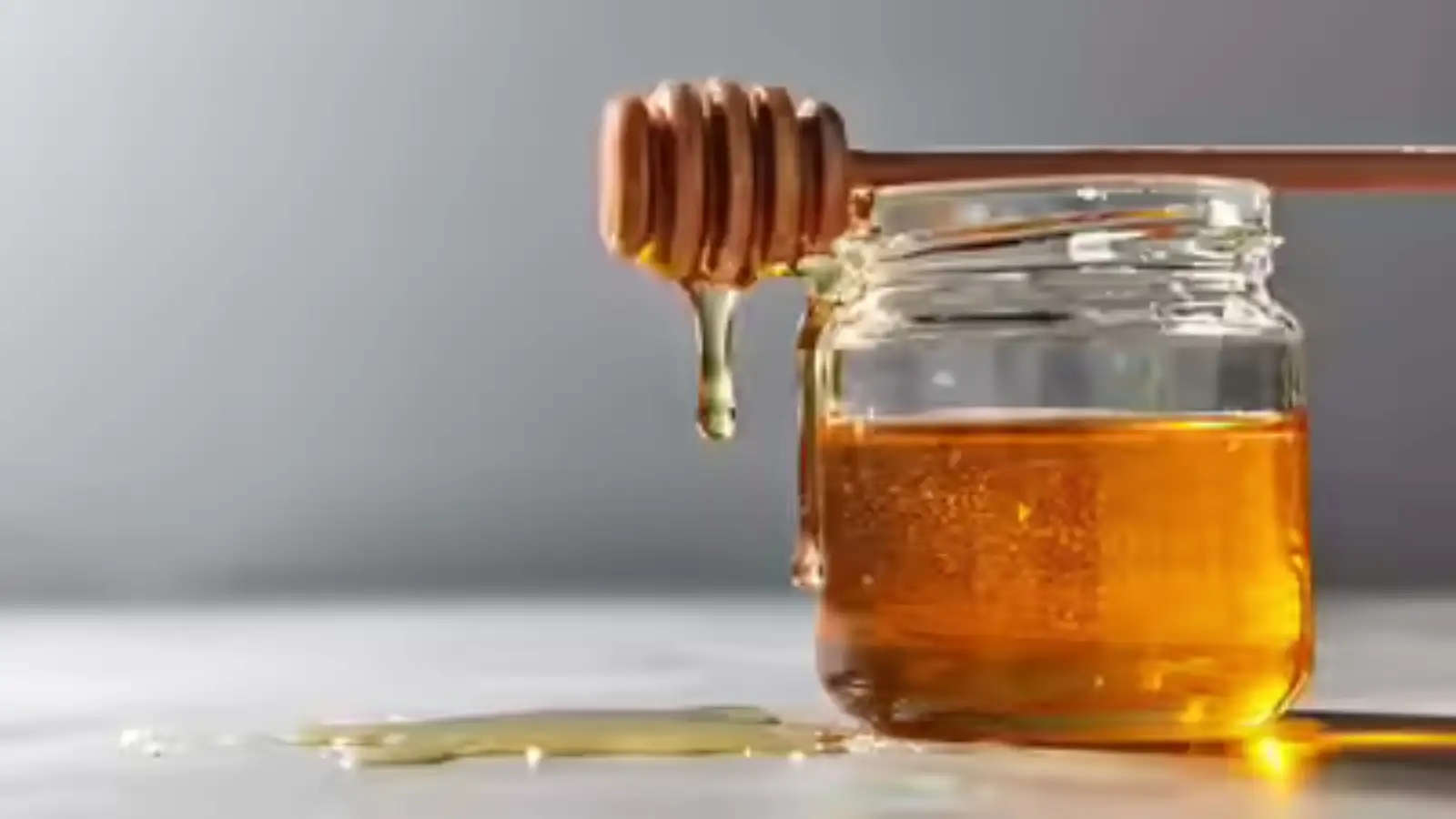
Honey purity tests at home have become essential as alarming reports suggest that nearly 77 out of every 100 honey bottles in India may be adulterated. Often mixed with sugar syrup or other additives, fake honey not only cheats buyers but also strips away the natural nutrients that make honey so valuable. Knowing how to identify pure honey can help you make healthier and smarter choices.
Why Honey Purity Matters More Than Ever
Honey has been cherished for centuries for its natural sweetness and health benefits. Rich in antioxidants, enzymes and antibacterial properties, pure honey supports overall wellness.
However, widespread adulteration has changed the game:
- Manufacturers often mix cheaper ingredients like sugar syrup or molasses
- Nutritional value drops significantly
- Consumers end up paying premium prices for inferior products
This makes it crucial to identify whether the honey in your kitchen is genuine or fake.
Simple Honey Purity Tests You Can Try at Home
1. Water Test: The Quick Authenticity Check
This is one of the easiest ways to test honey purity.
You may also like
- 4 High-Protein Vegetarian Foods for Muscle Growth (Gym Diet)
- Cheapest car to insure in UK revealed and it's not a Toyota, Hyundai or Ford
- Ignoring the urge to urinate can silently damage your kidneys
- Understanding Edema: The Hidden Signs of Heart Health Issues
- Top Protein-Rich Foods to Boost Your Health
How to do it:
- Take a glass of water
- Add a spoonful of honey without stirring
What to observe:
- Pure honey settles at the bottom in a lump
- Adulterated honey dissolves quickly or spreads
This happens because natural honey is denser than water, unlike diluted or fake versions.
2. Heat Test: Spot Hidden Adulteration
Heat can reveal a lot about what’s inside your honey.
How to do it:
- Gently heat a small amount of honey for about 30 seconds
What to observe:
- Pure honey caramelises and releases a mild, pleasant aroma
- Fake honey may foam, bubble excessively, or burn quickly
These reactions usually indicate added moisture or foreign substances.
3. Texture Test: Watch for Natural Crystallisation
- The texture of honey changes over time - and that’s actually a good sign.
What to observe:
- Pure honey gradually crystallises when stored
- This happens due to natural enzymes like glucose oxidase
- If honey remains smooth and syrupy for months, it may be overly processed or adulterated
Crystallisation is often misunderstood, but it’s a strong indicator of authenticity.
4. Vinegar Test: Check for Chemical Reactions
This test helps detect changes in honey’s natural composition.
How to do it:
- Add a few drops of vinegar to a small amount of honey
What to observe:
- Pure honey shows no reaction
- Fake honey may foam or fizz
Foaming suggests that external substances have altered the honey’s natural balance.
Pro Tip: Don’t Rely on Just One Test
While each method offers useful clues, experts recommend combining at least two or three tests for more reliable results. Adulteration techniques are becoming more advanced, so a single test may not always be enough.
With rising concerns about adulteration, performing honey purity tests at home is no longer optional - it’s a necessity. These simple checks can help you avoid fake products and ensure you enjoy the real health benefits of honey.
Next time you pick up a bottle, take a few minutes to test it - you might be surprised by what you discover.






More from our partners


Loving Newspoint? Download the app now
