
How A Swiss Doctor Invented Muesli To Fight Disease With Food

Over a century ago, in the quiet halls of a Swiss university and the careful hands of a visionary doctor, a humble cold oatmeal dish was born—not as a trendy breakfast, but as a serious remedy to fight disease. Muesli, now a staple on breakfast tables around the world, was originally created by Dr Maximilian Oskar Bircher-Benner around 1900 at the University of Zurich. His goal was clear: to combat illness, particularly tuberculosis, through a revolutionary raw-food-based diet. What began as a therapeutic invention soon reshaped modern nutritional science. 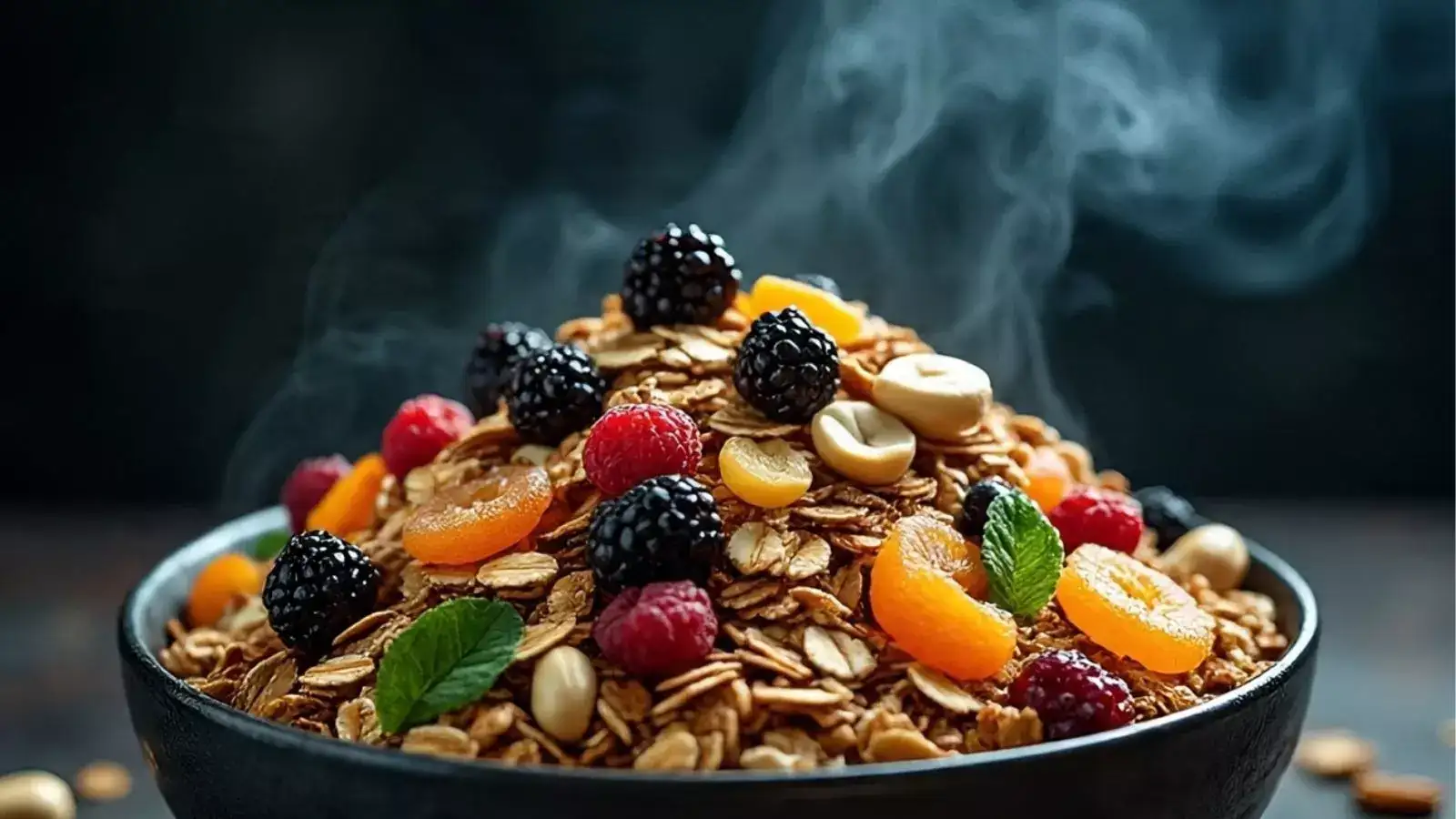 Image Credit: Meta AI
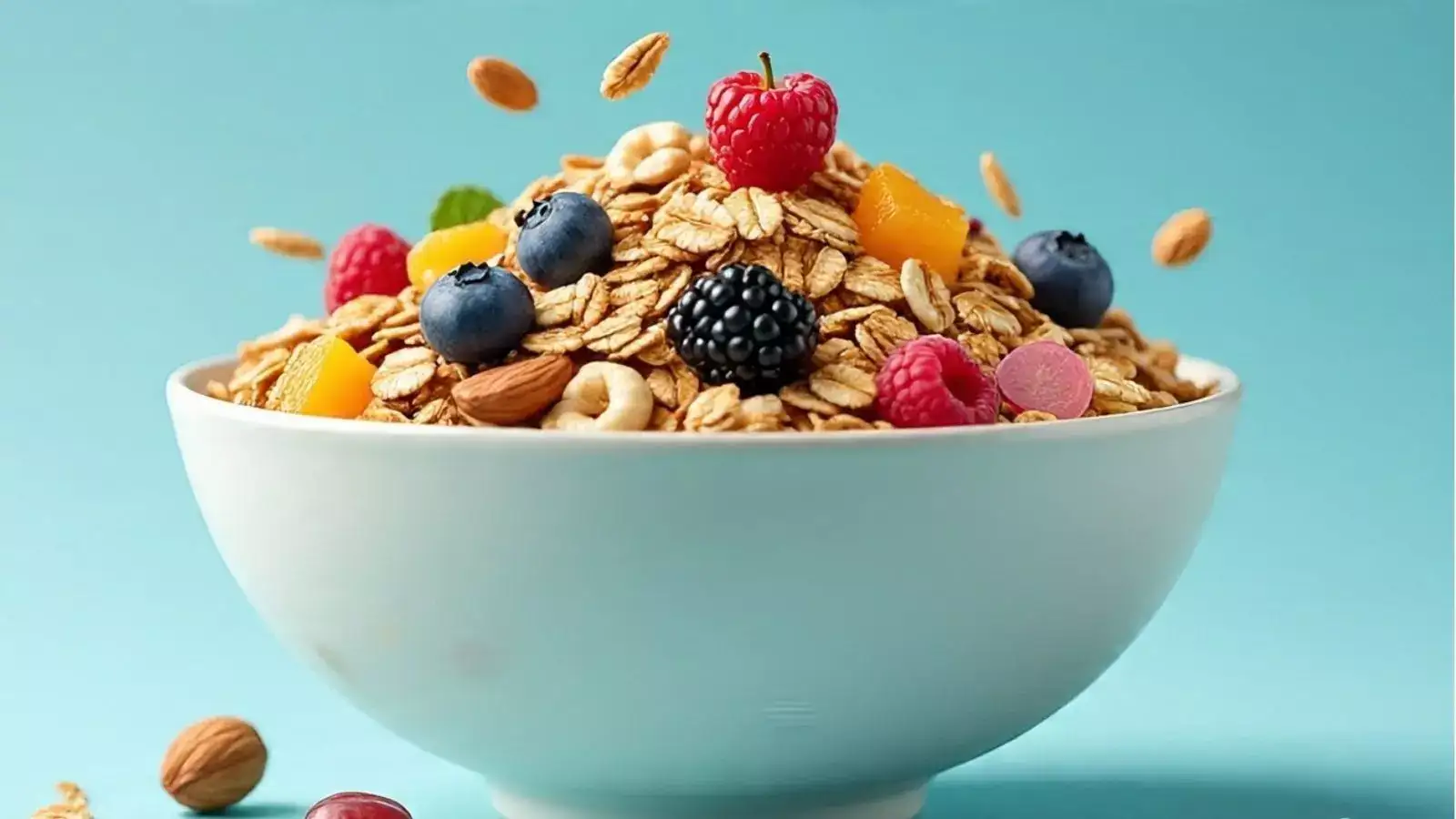 Image Credit: Meta AI
This pursuit led him to design a simple yet powerful dish that would soon become legendary: a blend of rolled oats, grated apples, chopped nuts, lemon juice, and sweetened condensed milk. This preparation, served cold, became known as muesli.
 Image Credit: Meta AI
This approach was radical at the time. The early 20th century was still largely grounded in heavy, meat-centric diets, and the idea of eating raw fruits and grains as a form of medicine was viewed with scepticism by many in the medical establishment.
This innovative approach gained traction. The clinic attracted attention across Europe and began to influence how nutrition was viewed within the broader medical community. While not universally accepted at the time, Bircher-Benner’s belief in the power of whole, plant-based foods laid groundwork for later developments in preventive health and dietetics.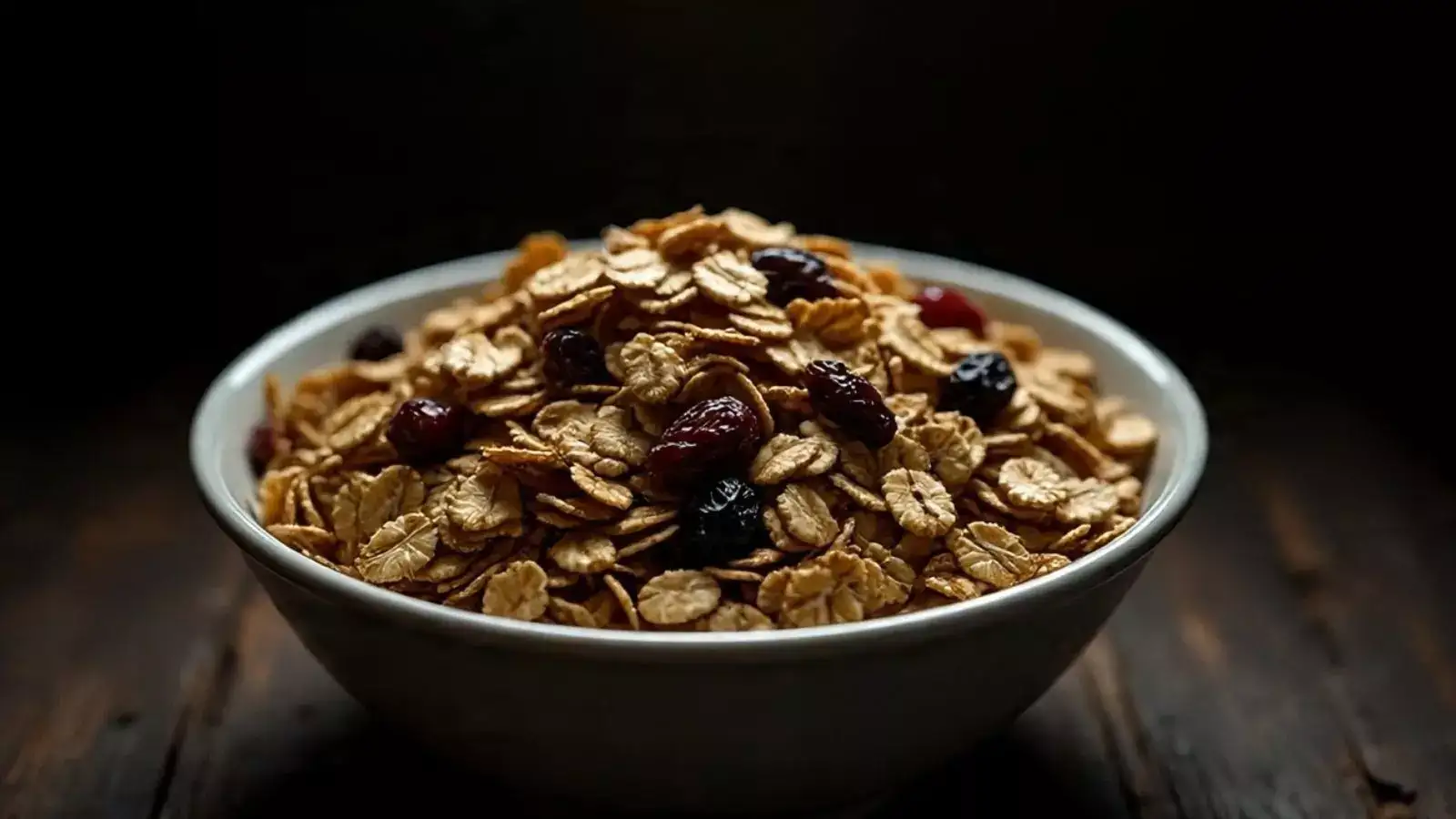 Image Credit: Meta AI
Today, muesli is sold globally in countless variations, including vegan, gluten-free, and sugar-free options. Yet its core remains true to Dr Bircher-Benner’s original blend—simple, raw, and rooted in the belief that food is a form of medicine.
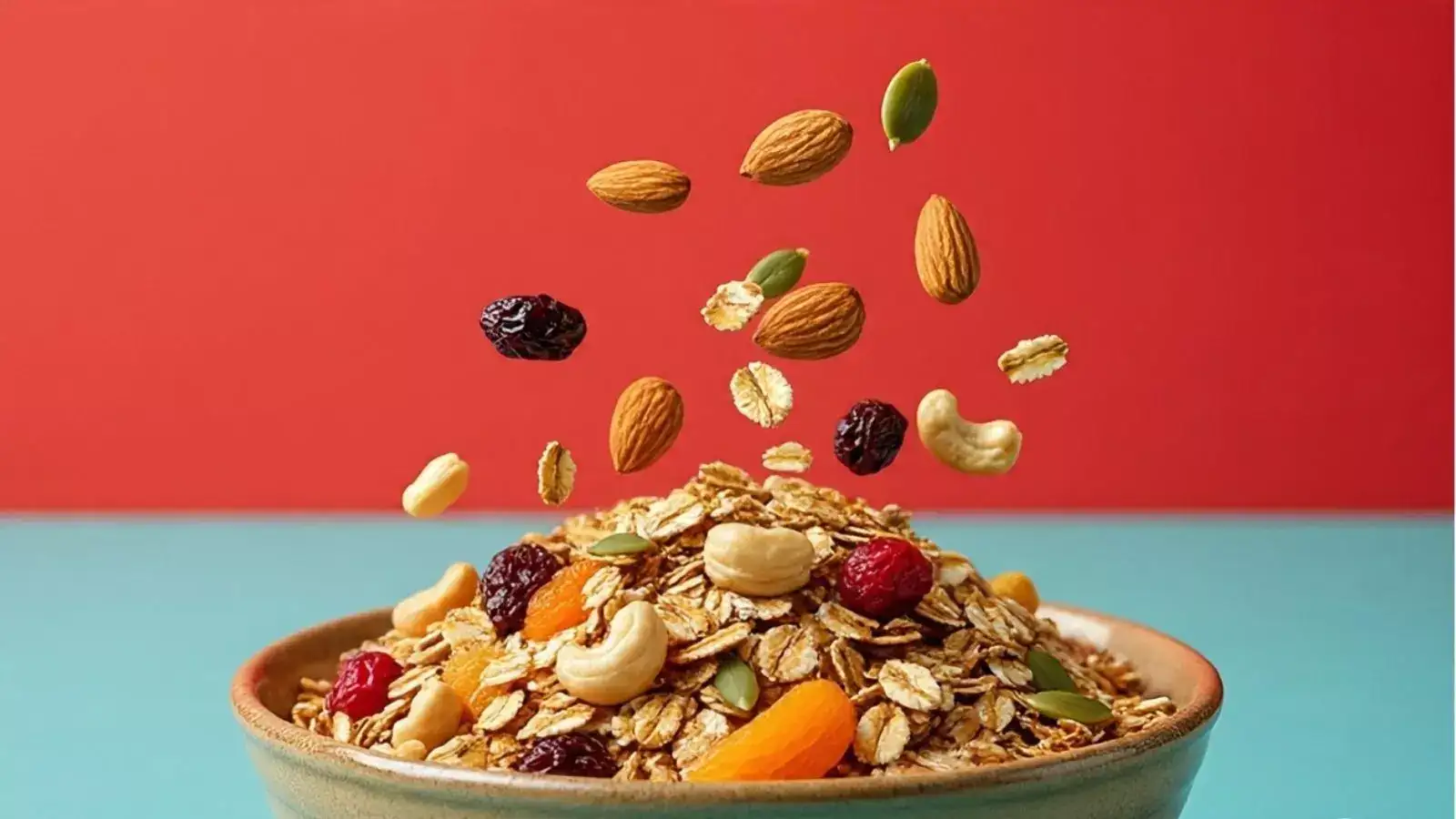 Image Credit: Meta AI
His legacy endures not just in every bowl of muesli, but in the widespread understanding that health and diet are intimately connected. The once-revolutionary idea that raw, fresh food could be preventive and curative now forms the basis of modern wellness trends.
Muesli’s journey from a doctor’s prescription for tuberculosis to an international symbol of healthy living is nothing short of extraordinary. Born out of necessity, rooted in research, and sustained by public trust in its health benefits, this cold oatmeal dish has stood the test of time—proving that sometimes, the simplest solutions are the most powerful.
A Doctor’s Mission to Heal Through Diet
Dr Bircher-Benner , a trained physician and early advocate of dietary reform, was deeply influenced by the belief that natural, plant-based foods could aid in healing the human body. At a time when tuberculosis was widespread and often fatal, conventional medicine offered limited relief. Driven by both research and intuition, he began to explore how nutrition—particularly raw, minimally processed foods—might strengthen the immune system and support recovery.This pursuit led him to design a simple yet powerful dish that would soon become legendary: a blend of rolled oats, grated apples, chopped nuts, lemon juice, and sweetened condensed milk. This preparation, served cold, became known as muesli.
Muesli: More Than Just a Meal
Unlike the sugary cereals that would later dominate the breakfast aisle, muesli was designed with a therapeutic purpose in mind. Dr Bircher-Benner served it regularly at his sanatorium in Zurich, where it became a nutritional cornerstone of the patients’ daily regimen. The dish reflected his broader philosophy: that fresh, raw ingredients held life-enhancing properties which could not be found in heavily cooked or processed meals.This approach was radical at the time. The early 20th century was still largely grounded in heavy, meat-centric diets, and the idea of eating raw fruits and grains as a form of medicine was viewed with scepticism by many in the medical establishment.
A Sanatorium That Transformed Dietary Thinking
Dr Bircher-Benner founded the Bircher-Benner Klinik, a health centre that combined modern medical care with natural lifestyle therapies, including diet, exercise, and sunlight exposure. Patients suffering from chronic conditions, particularly tuberculosis, were treated not only with medical supervision but also with carefully curated meals based on his muesli recipe and other raw foods.This innovative approach gained traction. The clinic attracted attention across Europe and began to influence how nutrition was viewed within the broader medical community. While not universally accepted at the time, Bircher-Benner’s belief in the power of whole, plant-based foods laid groundwork for later developments in preventive health and dietetics.
From Therapeutic Tool to Breakfast Staple
What is perhaps most remarkable is how muesli evolved from medical meal to mainstream staple. As attitudes toward health and wellness began to shift in the later 20th century, particularly during the natural food movements of the 1960s and 1970s, muesli re-emerged as a wholesome, fibre-rich alternative to sugar-laden cereals.Today, muesli is sold globally in countless variations, including vegan, gluten-free, and sugar-free options. Yet its core remains true to Dr Bircher-Benner’s original blend—simple, raw, and rooted in the belief that food is a form of medicine.
A Lasting Legacy in Modern Nutrition
More than a century after its creation, muesli continues to embody values that modern nutritionists champion: natural ingredients, balanced macros, and the therapeutic power of food. Dr Bircher-Benner’s early work, though initially met with resistance, is now recognised as pioneering.His legacy endures not just in every bowl of muesli, but in the widespread understanding that health and diet are intimately connected. The once-revolutionary idea that raw, fresh food could be preventive and curative now forms the basis of modern wellness trends.
Muesli’s journey from a doctor’s prescription for tuberculosis to an international symbol of healthy living is nothing short of extraordinary. Born out of necessity, rooted in research, and sustained by public trust in its health benefits, this cold oatmeal dish has stood the test of time—proving that sometimes, the simplest solutions are the most powerful.
Next Story