
How Arctic Foxes Survive Extreme Winter Conditions in Freezing Temperatures

The Arctic fox is one of nature's most remarkable survivors, living in some of the coldest environments on Earth. Found across Arctic regions of North America, Europe and Asia, this small mammal can endure freezing temperatures, powerful winds and long periods when food is difficult to find. Its survival depends on a combination of physical adaptations, hunting skills and behaviours that help conserve energy. From its exceptionally thick fur to its ability to locate prey beneath snow, the Arctic fox is equipped for life in an unforgiving landscape. Understanding these adaptations reveals how wildlife survives when winter conditions become extreme.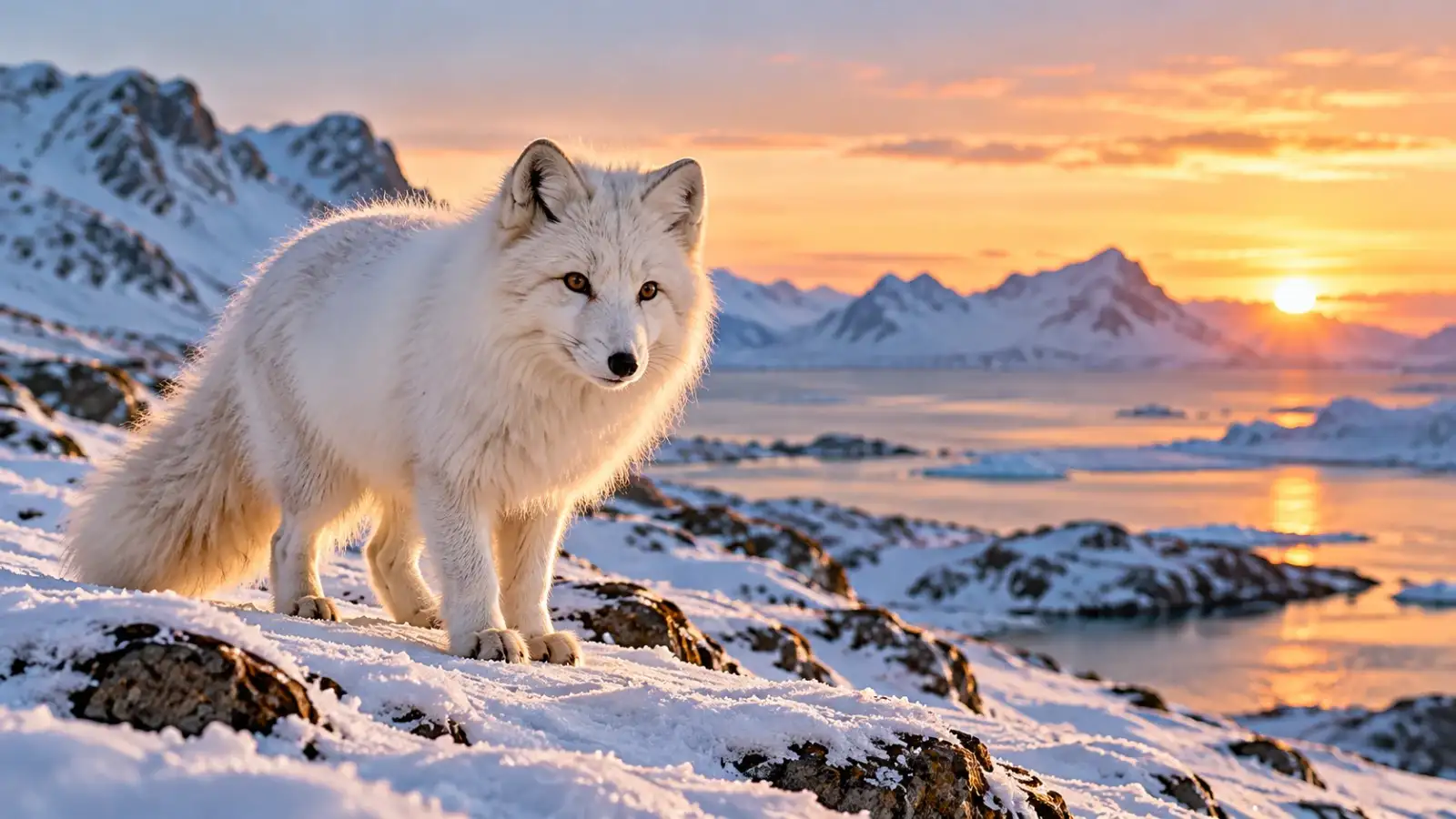
Unlike many mammals whose insulation becomes less effective in exposed areas, the Arctic fox also has fur covering its feet. This helps protect its paws from icy ground and reduces heat loss when walking across snow.
Its coat changes with the seasons. Many Arctic foxes develop white fur during winter, helping them blend into snowy surroundings, while their summer coats may become brownish or grey. However, some populations retain darker or bluish-grey coats throughout the year, depending on their habitat.
This is important because heat escapes through exposed body surfaces. Smaller extremities and a compact shape help limit heat loss, allowing the fox to maintain a stable internal temperature.
Its bushy tail provides another useful layer of insulation. During rest, the fox can curl up and tuck its tail around its body and face, helping protect vulnerable areas from cold air and wind.
Their paws provide traction on slippery surfaces, although conditions can still make movement difficult. The fox's relatively light build also helps it travel across snow without sinking as deeply as a heavier animal might.
These adaptations are particularly useful when searching for food across wide tundra landscapes, where the nearest shelter or feeding area may be some distance away.
When a fox hears prey moving underneath the surface, it may leap into the air and dive headfirst into the snow to catch it. This hunting technique is often used to capture lemmings and other small mammals.
Arctic foxes also eat birds, eggs, carrion and other available food. Their flexible diet is a major advantage in an environment where prey numbers can change considerably from one season to another.
Their dens can provide refuge from wind and extreme cold. Many are located in elevated or well-drained ground and may have several entrances, allowing foxes to move through the den system and use different openings when needed.
Arctic foxes do not hibernate. They remain active throughout winter, although their activity patterns may change according to weather, food availability and breeding behaviour.
They also build fat reserves when food is available. Stored body fat supplies energy during periods when hunting is less successful or food sources become scarce.
Some Arctic foxes cache food by hiding surplus prey in sheltered locations for later use. This behaviour can provide an important backup when conditions make hunting difficult, although stored food may be lost or discovered by other animals.
In some areas, red foxes are expanding into Arctic fox habitats as conditions become warmer. Competition for food and shelter can place additional pressure on Arctic fox populations.
Food availability also varies with prey populations, particularly lemmings. When small mammal numbers decline, Arctic foxes may need to travel farther or rely more heavily on alternative food sources.
Arctic foxes survive extreme winter conditions through a combination of thick insulating fur, compact bodies, furry paws, flexible hunting techniques and energy-saving behaviour. Their seasonal coat changes and ability to locate prey beneath snow make them particularly well adapted to life on the tundra. However, these adaptations do not make them immune to environmental change. Protecting Arctic habitats and maintaining healthy food webs are important for ensuring that these remarkable animals can continue to survive in their frozen home.
1. Thick Fur Provides Essential Insulation
The Arctic fox's dense fur is one of its most important defences against the cold. It has a thick undercoat that traps insulating air close to the body, while longer guard hairs provide an additional protective layer.Unlike many mammals whose insulation becomes less effective in exposed areas, the Arctic fox also has fur covering its feet. This helps protect its paws from icy ground and reduces heat loss when walking across snow.
Its coat changes with the seasons. Many Arctic foxes develop white fur during winter, helping them blend into snowy surroundings, while their summer coats may become brownish or grey. However, some populations retain darker or bluish-grey coats throughout the year, depending on their habitat.
2. A Compact Body Helps Retain Heat
The Arctic fox has a relatively compact body, short legs, small ears and a short muzzle. These features help reduce the amount of body surface exposed to freezing air.This is important because heat escapes through exposed body surfaces. Smaller extremities and a compact shape help limit heat loss, allowing the fox to maintain a stable internal temperature.
Its bushy tail provides another useful layer of insulation. During rest, the fox can curl up and tuck its tail around its body and face, helping protect vulnerable areas from cold air and wind.
3. Its Paws Are Adapted to Snow and Ice
Arctic foxes have thick fur on the undersides of their paws, which acts as insulation against frozen ground. The furry covering also helps protect sensitive skin while the animal walks over snow and ice.Their paws provide traction on slippery surfaces, although conditions can still make movement difficult. The fox's relatively light build also helps it travel across snow without sinking as deeply as a heavier animal might.
These adaptations are particularly useful when searching for food across wide tundra landscapes, where the nearest shelter or feeding area may be some distance away.
4. Clever Hunting Helps Arctic Foxes Find Food
Winter can make food difficult to locate, especially when snow covers the ground and prey becomes less active or harder to reach. Arctic foxes respond by using their sharp hearing and sense of smell to detect small animals hidden beneath snow.When a fox hears prey moving underneath the surface, it may leap into the air and dive headfirst into the snow to catch it. This hunting technique is often used to capture lemmings and other small mammals.
Arctic foxes also eat birds, eggs, carrion and other available food. Their flexible diet is a major advantage in an environment where prey numbers can change considerably from one season to another.
5. They Conserve Energy During Harsh Weather
Surviving an Arctic winter requires careful use of energy. Arctic foxes may reduce unnecessary movement during severe weather and seek shelter in dens or protected areas when conditions become particularly difficult.Their dens can provide refuge from wind and extreme cold. Many are located in elevated or well-drained ground and may have several entrances, allowing foxes to move through the den system and use different openings when needed.
Arctic foxes do not hibernate. They remain active throughout winter, although their activity patterns may change according to weather, food availability and breeding behaviour.
6. Seasonal Changes Help Them Prepare for Winter
Arctic foxes undergo seasonal changes that improve their chances of surviving cold weather. Their winter fur becomes thicker, providing greater insulation when temperatures fall.They also build fat reserves when food is available. Stored body fat supplies energy during periods when hunting is less successful or food sources become scarce.
Some Arctic foxes cache food by hiding surplus prey in sheltered locations for later use. This behaviour can provide an important backup when conditions make hunting difficult, although stored food may be lost or discovered by other animals.
7. They Face Challenges Despite Their Adaptations
Although Arctic foxes are well suited to freezing conditions, they still face significant environmental challenges. Climate change is affecting many Arctic habitats, with reduced snow cover and changing temperatures altering the conditions these animals depend on.In some areas, red foxes are expanding into Arctic fox habitats as conditions become warmer. Competition for food and shelter can place additional pressure on Arctic fox populations.
Food availability also varies with prey populations, particularly lemmings. When small mammal numbers decline, Arctic foxes may need to travel farther or rely more heavily on alternative food sources.
Arctic foxes survive extreme winter conditions through a combination of thick insulating fur, compact bodies, furry paws, flexible hunting techniques and energy-saving behaviour. Their seasonal coat changes and ability to locate prey beneath snow make them particularly well adapted to life on the tundra. However, these adaptations do not make them immune to environmental change. Protecting Arctic habitats and maintaining healthy food webs are important for ensuring that these remarkable animals can continue to survive in their frozen home.
Next Story