
How Birds, Foxes and Small Mammals Use City Buildings to Find Safe Routes

Cities may appear to belong entirely to humans, but look closely and another world is moving through them. Birds travel between rooftops, squirrels use walls and overhead cables, and small mammals find shelter beneath bridges and roadside structures. For these animals, buildings and roads are not simply obstacles. They can also provide routes, hiding places and access to food. As urban areas expand and natural habitats become fragmented, wildlife is finding increasingly creative ways to navigate the built environment. Understanding how urban wildlife uses buildings and roads reveals how animals adapt to human activity and why thoughtful city planning matters for their survival.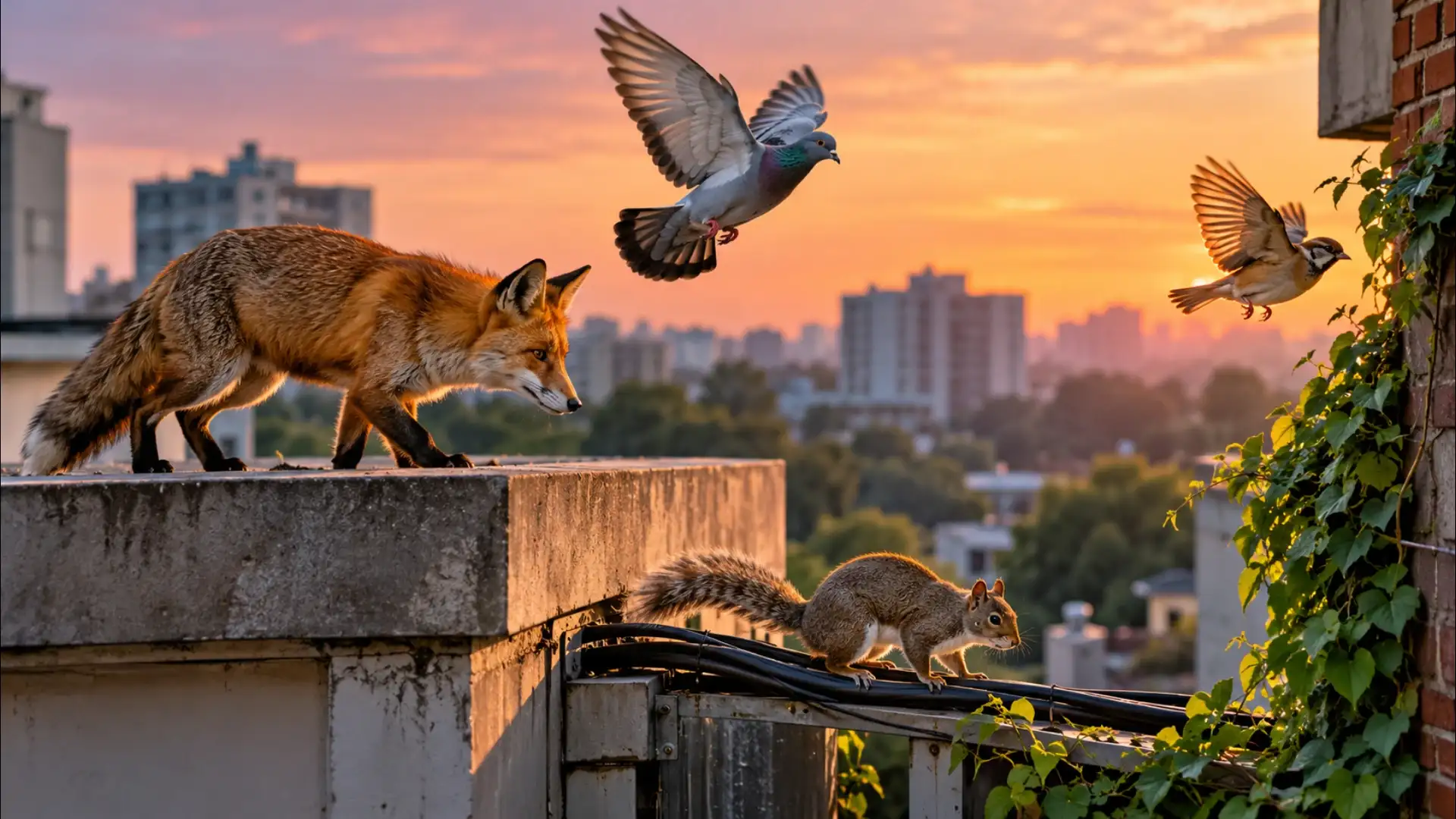
Squirrels are equally adaptable. In areas where trees are separated by roads or buildings, they may use boundary walls, fences and overhead cables to reach another tree or garden. These routes allow them to search for food and shelter without always descending to the ground.
Buildings also offer nesting opportunities. Gaps beneath roof tiles, ventilation openings and sheltered ledges can become useful habitats for certain birds and bats, although poorly designed structures may expose animals to danger.
However, some animals learn to use roadside vegetation, drainage channels and culverts to move between areas. Culverts beneath roads, originally built to carry water, can sometimes provide passage for small mammals and amphibians. Purpose-built wildlife crossings offer a safer alternative where suitable designs and fencing guide animals towards them.
Not every roadside route is beneficial. Traffic noise, artificial lighting, pollution and the loss of vegetation can discourage some species from using otherwise accessible spaces.
A row of trees, for example, may help birds move between a public park and a residential garden. Vegetated railway edges and waterways can also provide movement routes for certain species.
These connections matter because animals need more than a place to live. They must also reach feeding grounds, find mates and disperse to new territories.
Wildlife-friendly bridges, connected tree cover, green roofs and carefully designed underpasses can help reduce habitat fragmentation. Residents can contribute by planting native vegetation, keeping outdoor spaces safe and avoiding the unnecessary removal of nesting habitats.
Buildings Become Unexpected Wildlife Highways
For many urban animals, buildings provide stepping stones between patches of green space. Birds such as pigeons, house sparrows and crows regularly move between rooftops, balconies, ledges and trees. These elevated routes can help them travel while avoiding some ground-level disturbances.Squirrels are equally adaptable. In areas where trees are separated by roads or buildings, they may use boundary walls, fences and overhead cables to reach another tree or garden. These routes allow them to search for food and shelter without always descending to the ground.
Buildings also offer nesting opportunities. Gaps beneath roof tiles, ventilation openings and sheltered ledges can become useful habitats for certain birds and bats, although poorly designed structures may expose animals to danger.
How Roads Affect Animal Movement
Roads can divide habitats that were once connected. For small mammals, amphibians and reptiles, crossing a busy road may mean facing a serious risk of injury or death.However, some animals learn to use roadside vegetation, drainage channels and culverts to move between areas. Culverts beneath roads, originally built to carry water, can sometimes provide passage for small mammals and amphibians. Purpose-built wildlife crossings offer a safer alternative where suitable designs and fencing guide animals towards them.
Not every roadside route is beneficial. Traffic noise, artificial lighting, pollution and the loss of vegetation can discourage some species from using otherwise accessible spaces.
Green Spaces Help Animals Find Their Way
Urban parks, gardens, tree-lined streets and green roofs can connect isolated habitats. Ecologists often describe these connected routes as ecological corridors.A row of trees, for example, may help birds move between a public park and a residential garden. Vegetated railway edges and waterways can also provide movement routes for certain species.
These connections matter because animals need more than a place to live. They must also reach feeding grounds, find mates and disperse to new territories.
Why Urban Wildlife Routes Matter Today
As cities grow, protecting wildlife requires more than preserving individual parks. Planners must also consider what lies between them.Wildlife-friendly bridges, connected tree cover, green roofs and carefully designed underpasses can help reduce habitat fragmentation. Residents can contribute by planting native vegetation, keeping outdoor spaces safe and avoiding the unnecessary removal of nesting habitats.
Next Story