
How Can You Create a Budget That You Will Actually Stick To

Creating a budget sounds simple in theory, but sticking to it is where most people struggle. A budget is not just about restricting spending. It is about giving your money a clear direction so you can avoid stress, save better, and still enjoy life without guilt.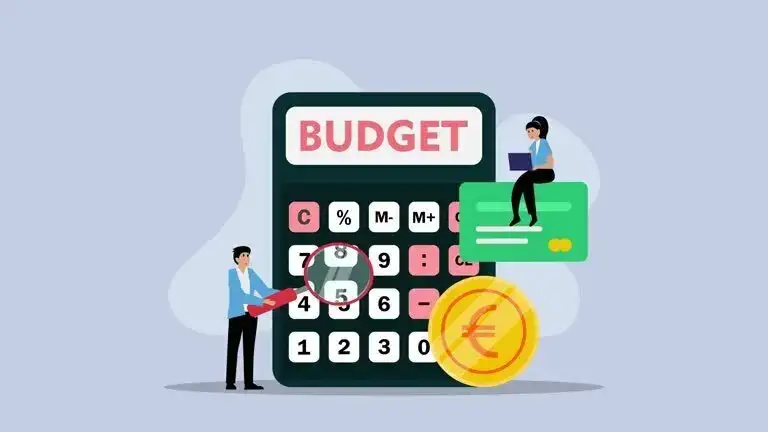
The key is not to make a perfect budget, but to make a realistic one that fits your lifestyle.
Start With What You Actually Earn and Spend
The first step is honesty. Track your real income and every expense, even the small ones like snacks, subscriptions, or daily travel costs.
Many people underestimate their spending, which is why their budget fails later. Knowing your real numbers helps you build a plan that actually works in daily life.
Follow a Simple Rule, Not Complicated Systems
You do not need complex formulas to manage money. A simple structure works better:
When you clearly divide your money, you avoid confusion and overspending.
Make Saving Automatic, Not Optional
One of the easiest ways to stick to a budget is to save first, not last. Set up automatic transfers to your savings account right after you receive your salary.
This removes the temptation to spend first and save later, which rarely works.
Keep Room for Flexibility
A strict budget often fails because life is unpredictable. Unexpected expenses will happen, so your budget should allow small adjustments.
Giving yourself a little “flex fund” for entertainment or emergencies helps you stay consistent without feeling restricted.
Avoid Unrealistic Cuts
Trying to cut all enjoyable spending at once usually leads to burnout. Instead, reduce gradually.
For example, if you eat out frequently, do not eliminate it completely. Limit it to a fixed number of times per month. Small changes are easier to maintain long term.
Track Progress, Not Perfection
A budget is not about being perfect every day. It is about understanding your money habits and improving over time.
Review your spending weekly or monthly. This helps you identify patterns and fix mistakes before they become habits.
Set Clear Financial Goals
A budget becomes easier to follow when it has a purpose. Whether it is saving for travel, an emergency fund, or a big purchase, goals keep you motivated.
When you know why you are saving, it becomes easier to say no to unnecessary expenses.
A successful budget is not the strictest one, but the one you can actually follow. It should fit your lifestyle, not fight it.
When you keep things simple, realistic, and flexible, budgeting stops feeling like pressure and starts becoming a habit that supports your financial freedom.
The key is not to make a perfect budget, but to make a realistic one that fits your lifestyle.
Start With What You Actually Earn and Spend
The first step is honesty. Track your real income and every expense, even the small ones like snacks, subscriptions, or daily travel costs.Many people underestimate their spending, which is why their budget fails later. Knowing your real numbers helps you build a plan that actually works in daily life.
Follow a Simple Rule, Not Complicated Systems
You do not need complex formulas to manage money. A simple structure works better:- Essentials like rent, food, bills
- Savings for future goals
- Lifestyle spending for fun and comfort
When you clearly divide your money, you avoid confusion and overspending.
Make Saving Automatic, Not Optional
One of the easiest ways to stick to a budget is to save first, not last. Set up automatic transfers to your savings account right after you receive your salary. This removes the temptation to spend first and save later, which rarely works.
Keep Room for Flexibility
A strict budget often fails because life is unpredictable. Unexpected expenses will happen, so your budget should allow small adjustments.You may also like
- Exploring the Elegant Minimalism of Genelia D'Souza and Riteish Deshmukh's Worli Villa
- From commands to conversations: Talking without power struggles
- Is Lord Shiva's Destruction a Blessing- or Warning for You?
- Eva Longoria proves the LBD never goes out of vogue
- LeAnn Rimes goes through deep jaw-release therapy. Here's what it is and who can benefit from this therapy?
Giving yourself a little “flex fund” for entertainment or emergencies helps you stay consistent without feeling restricted.
Avoid Unrealistic Cuts
Trying to cut all enjoyable spending at once usually leads to burnout. Instead, reduce gradually. For example, if you eat out frequently, do not eliminate it completely. Limit it to a fixed number of times per month. Small changes are easier to maintain long term.
Track Progress, Not Perfection
A budget is not about being perfect every day. It is about understanding your money habits and improving over time. Review your spending weekly or monthly. This helps you identify patterns and fix mistakes before they become habits.
Set Clear Financial Goals
A budget becomes easier to follow when it has a purpose. Whether it is saving for travel, an emergency fund, or a big purchase, goals keep you motivated. When you know why you are saving, it becomes easier to say no to unnecessary expenses.
A successful budget is not the strictest one, but the one you can actually follow. It should fit your lifestyle, not fight it.
When you keep things simple, realistic, and flexible, budgeting stops feeling like pressure and starts becoming a habit that supports your financial freedom.






More from our partners


Loving Newspoint? Download the app now
