
How Ceiling Fans Quietly Influence Your Sleep Cycle

For many people, sleeping with a ceiling fan running all night feels completely normal. In warmer months especially, the gentle breeze can make a room feel comfortable and help people drift off faster. Yet very few people stop to consider how a ceiling fan might actually influence sleep quality in unexpected ways.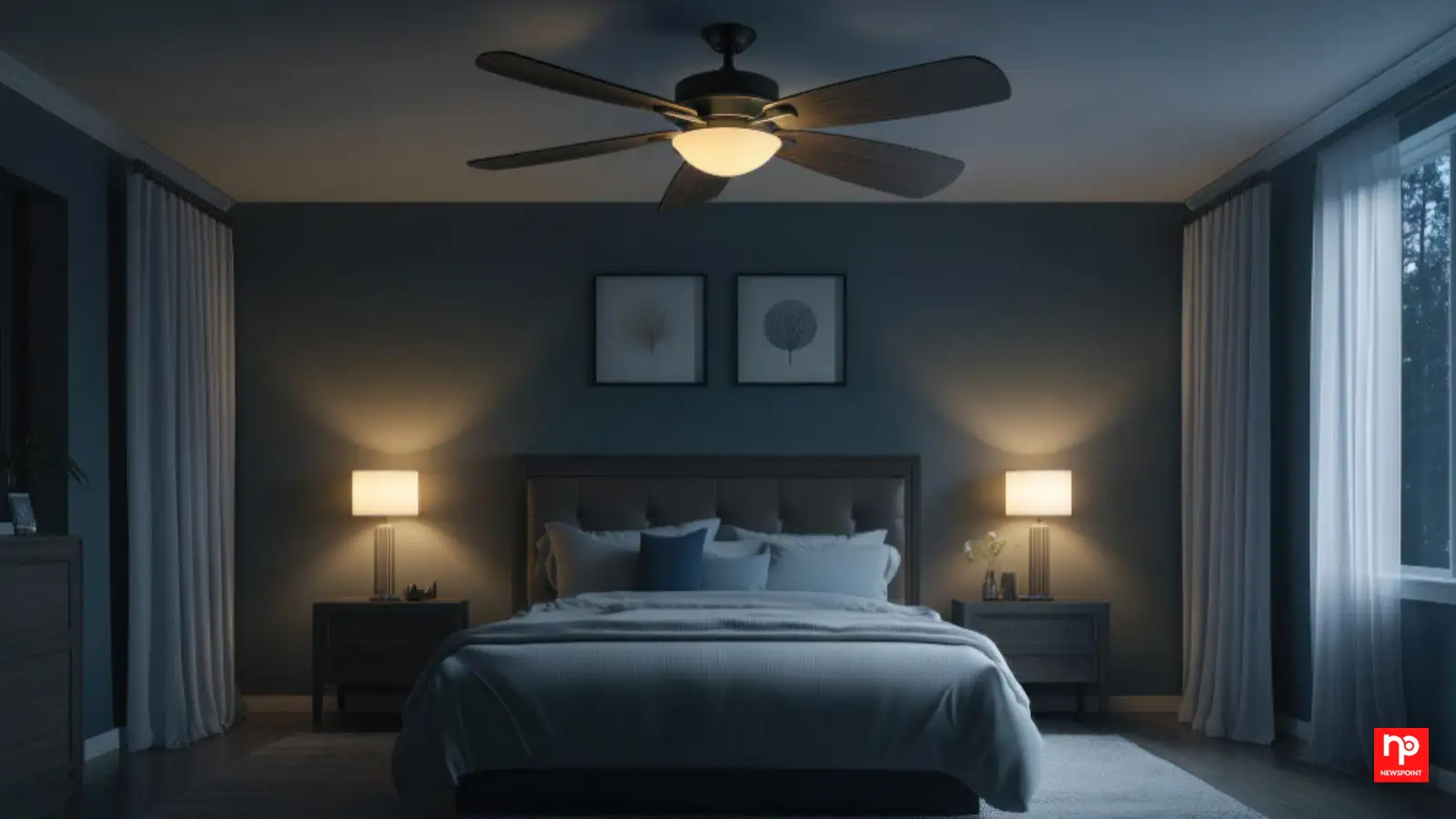
While ceiling fans are useful for air circulation, the way they interact with room temperature, humidity, and even allergies can quietly affect how rested you feel the next morning.
However, direct airflow from a ceiling fan can sometimes cool the body too much over several hours. Many people wake up with dry throats, stiff necks, headaches, or blocked noses without realising the fan may be contributing to the problem.
Constant airflow may also dry out the skin and nasal passages. This becomes more noticeable in homes where the air is already dry due to weather conditions or air conditioning.
People with mild allergies may notice sneezing, itchy eyes, or congestion in the morning. In many cases, regular cleaning of fan blades makes a noticeable difference.
Bedrooms are especially sensitive spaces because people spend several uninterrupted hours there every night. Poor air quality can quietly affect sleep without creating obvious symptoms during the day.
Fans also improve airflow in rooms that feel stuffy, particularly during humid weather. Better ventilation often helps people fall asleep more comfortably.
The key difference usually lies in positioning and intensity. A fan rotating at medium speed across the room often works better than direct airflow aimed straight at the bed.
Some people also benefit from using a timer so the fan switches off after they fall asleep. Others prefer combining light airflow with slightly open windows for more natural ventilation.
Good sleep often depends on tiny details people overlook in daily life. Something as ordinary as a ceiling fan may not seem important, yet it can quietly shape how rested, comfortable, and healthy you feel every morning.
While ceiling fans are useful for air circulation, the way they interact with room temperature, humidity, and even allergies can quietly affect how rested you feel the next morning.
How Airflow Changes the Body During Sleep
The human body naturally lowers its core temperature before sleep. A slightly cool room usually supports better rest, which is why many sleep experts recommend temperatures between 16 and 19 degrees Celsius.However, direct airflow from a ceiling fan can sometimes cool the body too much over several hours. Many people wake up with dry throats, stiff necks, headaches, or blocked noses without realising the fan may be contributing to the problem.
Constant airflow may also dry out the skin and nasal passages. This becomes more noticeable in homes where the air is already dry due to weather conditions or air conditioning.
The Overlooked Allergy Problem
Ceiling fans can circulate more than cool air. Dust particles, pollen, and pet hair often collect on fan blades over time. Once the fan is switched on, these particles spread throughout the room.People with mild allergies may notice sneezing, itchy eyes, or congestion in the morning. In many cases, regular cleaning of fan blades makes a noticeable difference.
Bedrooms are especially sensitive spaces because people spend several uninterrupted hours there every night. Poor air quality can quietly affect sleep without creating obvious symptoms during the day.
Why Some People Sleep Better With a Fan
Despite these concerns, fans are not necessarily harmful. For many people, the steady humming sound creates a calming white noise effect that blocks outside disturbances such as traffic or barking dogs.Fans also improve airflow in rooms that feel stuffy, particularly during humid weather. Better ventilation often helps people fall asleep more comfortably.
The key difference usually lies in positioning and intensity. A fan rotating at medium speed across the room often works better than direct airflow aimed straight at the bed.
Small Changes That Can Improve Sleep
Simple adjustments can make a significant difference. Cleaning fan blades regularly helps reduce airborne dust. Lowering the speed during cooler nights may prevent muscle stiffness and dryness.Some people also benefit from using a timer so the fan switches off after they fall asleep. Others prefer combining light airflow with slightly open windows for more natural ventilation.
Good sleep often depends on tiny details people overlook in daily life. Something as ordinary as a ceiling fan may not seem important, yet it can quietly shape how rested, comfortable, and healthy you feel every morning.
Next Story