
How Colour Influences The Way We Taste And Enjoy Food

Have you ever noticed how the colour of your food affects how appetising it looks? Even before we take a bite, the colours we see shape our expectations and enjoyment. From plating to packaging, colour plays a powerful role in how we perceive flavour.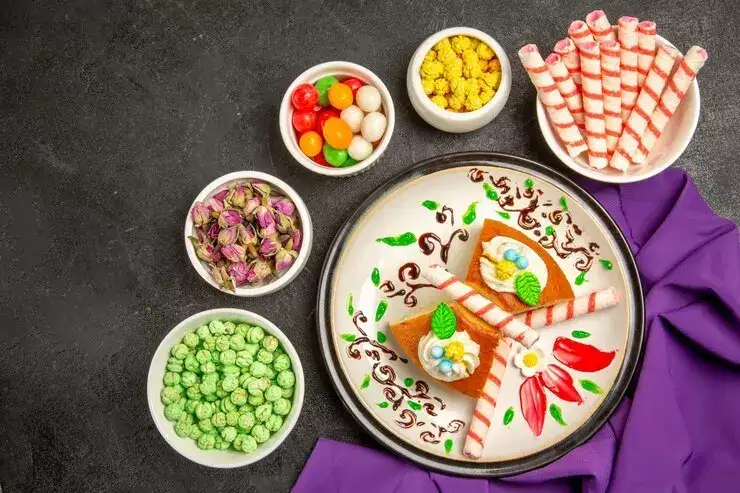
Our brains start evaluating food the moment we see it. Bright, warm colours such as red, orange, and yellow often make food appear sweeter or more flavourful. Conversely, dull or unusual colours can make the same food seem less appealing, even if the taste hasn’t changed.
Colours send important signals to the brain. For example, we expect a lemon to be yellow and taste sour. If it were blue, we might feel confused or suspicious. Colour helps us predict both the flavour and freshness of what we’re about to eat.
Research has shown that changing a food’s colour can actually change how people describe its taste. A green strawberry-flavoured drink may taste strange to someone expecting it to be red. Even though the flavour is identical, the unexpected colour can confuse the senses.
How food is presented on the plate also matters. Chefs carefully use colour to make dishes more attractive and balanced. Meals with a variety of colours often appear more appealing and healthy. People are more likely to try and enjoy dishes that look vibrant and well-presented.
Colour is not only important in the food itself, but also in its packaging. Bright, bold packaging colours catch our attention and can make products appear tastier or more exciting. Brands use these colour strategies to influence our choices and boost sales.
Colours carry different meanings in different cultures. In some countries, white represents purity and cleanliness, while in others it may symbolise mourning. These cultural differences shape how people from various backgrounds perceive the same food colours.
Colour is more than just decoration—it influences how we taste, enjoy, and choose food. From first impressions to flavour perception, colour plays a crucial role in our eating experience. Understanding this can help us appreciate food in new and exciting ways.
We Eat with Our Eyes First
Our brains start evaluating food the moment we see it. Bright, warm colours such as red, orange, and yellow often make food appear sweeter or more flavourful. Conversely, dull or unusual colours can make the same food seem less appealing, even if the taste hasn’t changed.
Colour Creates Expectations
Colours send important signals to the brain. For example, we expect a lemon to be yellow and taste sour. If it were blue, we might feel confused or suspicious. Colour helps us predict both the flavour and freshness of what we’re about to eat.
You may also like
- Psychology says teenagers who stop sharing everything with parents aren't necessarily losing their bond: Understanding growing independence
- Pitru Paksha 2026: September 26 or 27? Know the Correct Shraddha Dates
- Pitru Paksha 2026: Delhi to Gaya Travel Guide for Pind Daan
- Bali Travel Guide: Places to Visit, Budget and Tips
- Kylie Jenner's bedroom is an all-pink and white affair with fur textures and a balance of glam: Decor inspirations to take away
Colour Alters Taste Perception
Research has shown that changing a food’s colour can actually change how people describe its taste. A green strawberry-flavoured drink may taste strange to someone expecting it to be red. Even though the flavour is identical, the unexpected colour can confuse the senses.
The Importance of Food Presentation
How food is presented on the plate also matters. Chefs carefully use colour to make dishes more attractive and balanced. Meals with a variety of colours often appear more appealing and healthy. People are more likely to try and enjoy dishes that look vibrant and well-presented.
Colour in Packaging and Advertising
Colour is not only important in the food itself, but also in its packaging. Bright, bold packaging colours catch our attention and can make products appear tastier or more exciting. Brands use these colour strategies to influence our choices and boost sales.
Cultural Meanings of Food Colours
Colours carry different meanings in different cultures. In some countries, white represents purity and cleanliness, while in others it may symbolise mourning. These cultural differences shape how people from various backgrounds perceive the same food colours.
Why Colour Matters in Food
Colour is more than just decoration—it influences how we taste, enjoy, and choose food. From first impressions to flavour perception, colour plays a crucial role in our eating experience. Understanding this can help us appreciate food in new and exciting ways.






Loving Newspoint? Download the app now
