
How Did the Dahlia Become One of the World's Most Popular Garden Flowers?

With their colourful petals, striking shapes and impressive variety, dahlias have become favourites among gardeners around the world. From small, delicate blooms to large flowers with layers of petals, these plants offer something for almost every garden style. However, dahlias were not always familiar garden favourites. Their journey began in Mexico and Central America, where they grew naturally before being introduced to European gardeners in the late 18th century. Over time, plant breeders developed numerous varieties, turning dahlias into popular ornamental flowers admired for their beauty, diversity and long flowering season.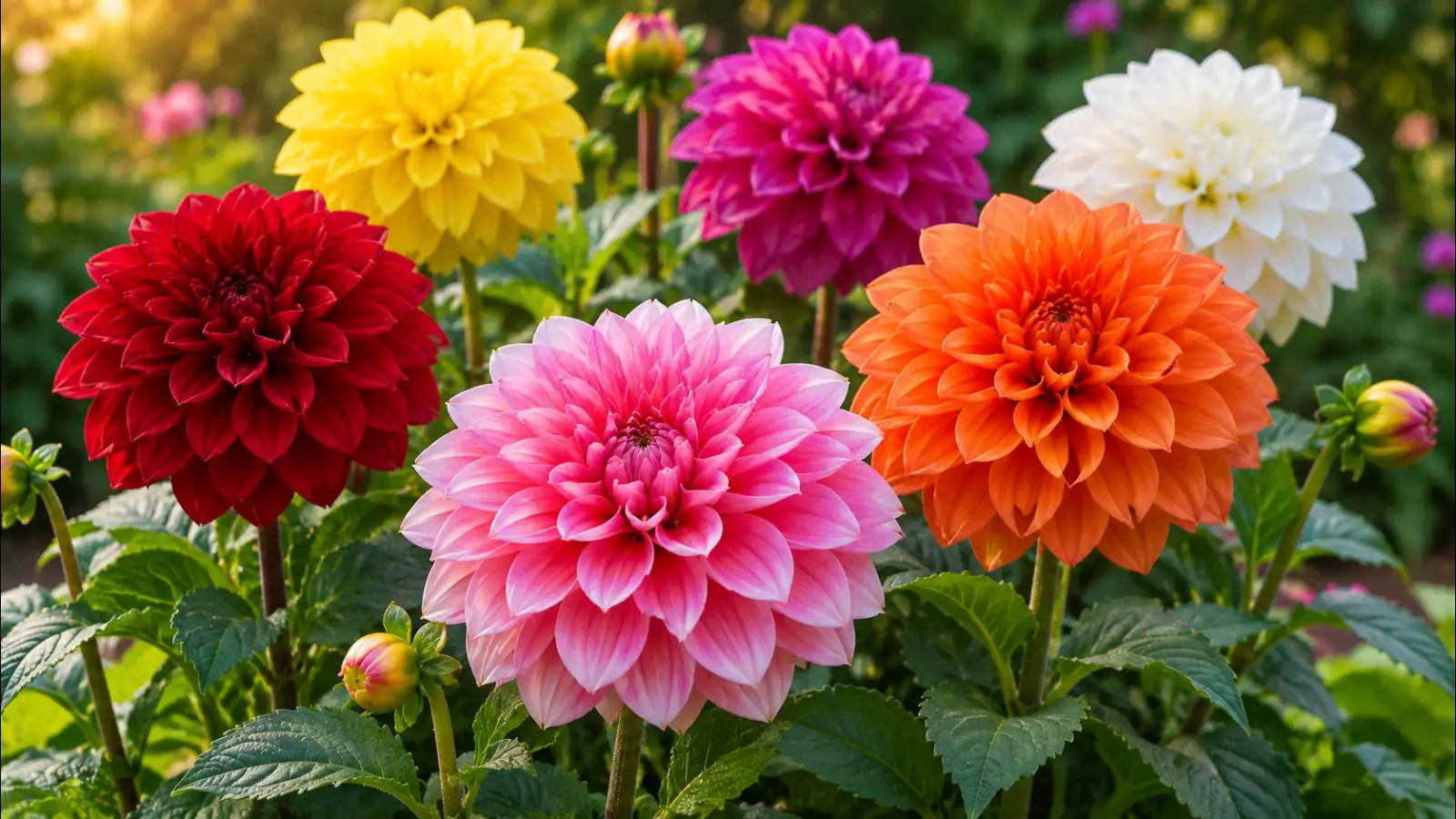
Wild dahlias generally had simpler flowers than many of the elaborate varieties seen today. Their colours and shapes varied, but they were not originally cultivated in the same way as modern ornamental dahlias.
The flower also has an important place in Mexican horticultural history and is recognised as Mexico's national flower.
Spanish botanists studied the plant, and the genus was named Dahlia in honour of Swedish botanist Anders Dahl. Its introduction to European gardens created interest among horticulturists, who began experimenting with its cultivation.
The flower gradually attracted attention because of its ability to grow in different garden conditions and produce attractive blooms.
Britain, France and other European countries became important centres for dahlia cultivation . Horticultural societies and specialist growers helped increase interest in the plant by displaying new varieties and sharing growing techniques.
As its popularity grew, dahlias became common features in ornamental gardens and flower exhibitions.
Today, dahlias are available in numerous flower forms, including decorative, cactus, pompon, ball, anemone-flowered and single varieties. Their blooms also come in a wide range of colours, including red, yellow, orange, pink, purple and white.
This diversity allows gardeners to choose plants that suit different landscape designs, flower beds and containers.
In many temperate regions, they begin flowering during summer and continue into autumn, often until the first frost. Regular removal of faded flowers can encourage further blooming.
Their extended flowering period makes them useful for gardens that need colour towards the end of the growing season.
Certain varieties produce relatively small blooms, whereas large decorative dahlias can develop flowers measuring several inches across.
This flexibility makes them suitable for different settings, from balconies and patios to larger landscape gardens.
Some varieties have large, rounded blooms that work well as focal flowers, while smaller types can complement other seasonal flowers.
Their availability in different shades also makes them useful for weddings, celebrations and other floral designs.
Most cultivated dahlias grow from underground tubers. In colder climates, these tubers may need to be lifted and stored during winter to protect them from freezing conditions. In warmer regions, growing practices depend on local temperatures, rainfall and soil conditions.
With regular watering, adequate sunlight and occasional feeding, dahlias can reward gardeners with an impressive display of flowers.
The dahlia's transformation from a wild Mexican plant into one of the world's most admired garden flowers is a fascinating example of horticultural development. Its introduction to Europe, followed by generations of selective breeding, created the extraordinary range of colours, sizes and flower forms seen today. Its long flowering season and versatility have helped it remain popular among gardeners and florists alike. Whether grown in a small pot or a large garden, the dahlia continues to bring colour and character to outdoor spaces.
1. Dahlias Originally Came From Mexico
The natural history of dahlias begins in Mexico, where different species grew in mountainous regions and other suitable habitats. These plants belong to the Asteraceae family, which also includes sunflowers, daisies and chrysanthemums.Wild dahlias generally had simpler flowers than many of the elaborate varieties seen today. Their colours and shapes varied, but they were not originally cultivated in the same way as modern ornamental dahlias.
The flower also has an important place in Mexican horticultural history and is recognised as Mexico's national flower.
2. How European Botanists Discovered the Dahlia
During the late 18th century, European botanists and plant collectors became increasingly interested in plants from the Americas. Dahlia seeds were among the botanical materials brought to Europe from Mexico.Spanish botanists studied the plant, and the genus was named Dahlia in honour of Swedish botanist Anders Dahl. Its introduction to European gardens created interest among horticulturists, who began experimenting with its cultivation.
The flower gradually attracted attention because of its ability to grow in different garden conditions and produce attractive blooms.
3. The Flower Became Popular in European Gardens
By the early 19th century, dahlias were becoming fashionable ornamental plants in parts of Europe. Gardeners appreciated their colourful flowers and the variety of forms that could be developed through cultivation.Britain, France and other European countries became important centres for dahlia cultivation . Horticultural societies and specialist growers helped increase interest in the plant by displaying new varieties and sharing growing techniques.
As its popularity grew, dahlias became common features in ornamental gardens and flower exhibitions.
4. Plant Breeding Created Hundreds of Varieties
One of the biggest reasons behind the dahlia's popularity is its remarkable diversity. Gardeners and plant breeders developed different varieties through selective breeding and hybridisation.Today, dahlias are available in numerous flower forms, including decorative, cactus, pompon, ball, anemone-flowered and single varieties. Their blooms also come in a wide range of colours, including red, yellow, orange, pink, purple and white.
This diversity allows gardeners to choose plants that suit different landscape designs, flower beds and containers.
5. Their Long Flowering Season Makes Them Attractive
Unlike some flowers that bloom for only a short period, dahlias can produce flowers over several months when growing conditions are suitable.In many temperate regions, they begin flowering during summer and continue into autumn, often until the first frost. Regular removal of faded flowers can encourage further blooming.
Their extended flowering period makes them useful for gardens that need colour towards the end of the growing season.
6. Dahlias Are Available in Different Sizes
Another reason dahlias appeal to gardeners is the wide range of plant heights and flower sizes. Some compact varieties grow well in pots and smaller garden spaces, while taller types can become prominent features in flower beds.Certain varieties produce relatively small blooms, whereas large decorative dahlias can develop flowers measuring several inches across.
This flexibility makes them suitable for different settings, from balconies and patios to larger landscape gardens.
7. The Flower Became Popular in Floristry
Dahlias are also widely used in floral arrangements because of their attractive shapes and variety of colours. Their layered petals can add texture and visual interest to bouquets, centrepieces and decorative displays.Some varieties have large, rounded blooms that work well as focal flowers, while smaller types can complement other seasonal flowers.
Their availability in different shades also makes them useful for weddings, celebrations and other floral designs.
8. Why Gardeners Still Love Growing Dahlias
Dahlias continue to attract gardening enthusiasts because they combine visual appeal with considerable variety. They can be grown in garden beds, containers and dedicated flower patches, provided they receive suitable sunlight and well-drained soil.Most cultivated dahlias grow from underground tubers. In colder climates, these tubers may need to be lifted and stored during winter to protect them from freezing conditions. In warmer regions, growing practices depend on local temperatures, rainfall and soil conditions.
With regular watering, adequate sunlight and occasional feeding, dahlias can reward gardeners with an impressive display of flowers.
The dahlia's transformation from a wild Mexican plant into one of the world's most admired garden flowers is a fascinating example of horticultural development. Its introduction to Europe, followed by generations of selective breeding, created the extraordinary range of colours, sizes and flower forms seen today. Its long flowering season and versatility have helped it remain popular among gardeners and florists alike. Whether grown in a small pot or a large garden, the dahlia continues to bring colour and character to outdoor spaces.
Next Story