
How Do Desert Animals Find Water in Places With Almost No Rainfall? Nature's Survival Secrets

Deserts are among the harshest environments on Earth, with scorching temperatures, limited rainfall and very few permanent water sources. Yet, countless animals manage to survive in these dry landscapes. From tiny insects to large mammals, desert wildlife has developed remarkable ways to obtain and conserve moisture. Some animals get most of their water from the food they eat, while others locate underground sources, collect morning dew or remain active during cooler hours. Their survival depends not only on finding water but also on using it efficiently in an environment where every drop matters.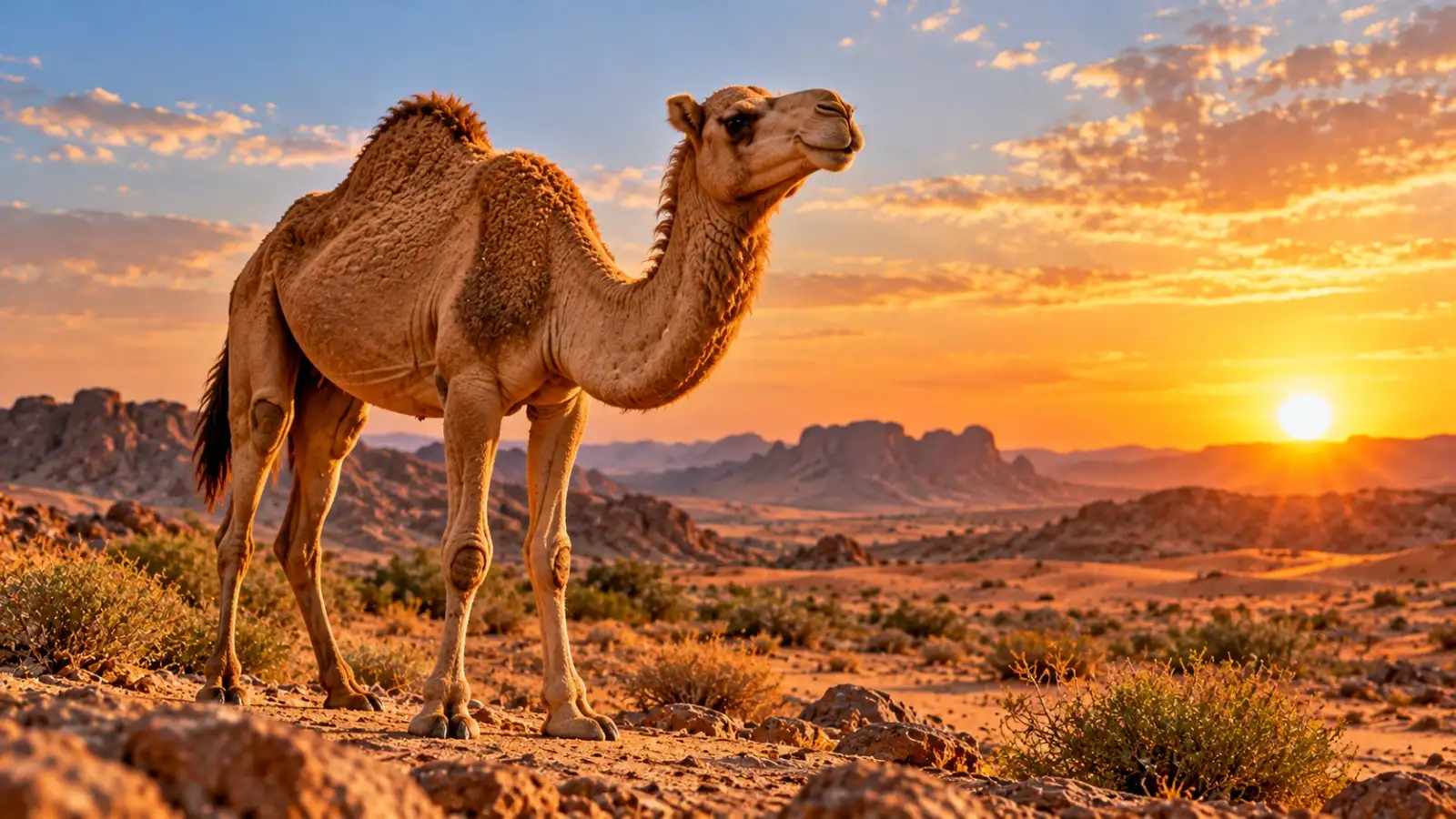
Kangaroo rats of North American deserts are a remarkable example. They eat dry seeds and produce much of the water they need through a process called metabolic water production. Their bodies release water when nutrients are broken down during cellular respiration.
This adaptation allows them to survive without regularly drinking liquid water.
Certain beetles, particularly fog-collecting beetles found in the Namib Desert, have specialised body surfaces that help capture tiny water droplets. When fog settles over their bodies, droplets accumulate and can move towards their mouths.
This behaviour allows them to obtain water even in places where rainfall is extremely rare.
Desert rodents and other small mammals may obtain water from roots, underground plant parts and moisture-rich food. Certain species also dig burrows that provide access to cooler, more humid conditions.
These underground spaces help reduce exposure to intense heat and limit water loss through evaporation.
Their humps store fat rather than water. When this fat is broken down, it provides energy and produces a small amount of metabolic water.
Camels also conserve moisture through efficient kidneys, dry faeces and other physiological adaptations. Their bodies can tolerate changes in temperature that reduce the need for excessive sweating.
Fennec foxes, desert hedgehogs, gerbils and several reptiles use different forms of this strategy. Some spend daylight hours inside burrows, rock crevices or shaded spaces.
By avoiding extreme heat, these animals reduce the amount of water their bodies lose through evaporation and respiration.
Several species have highly efficient kidneys that produce concentrated urine, allowing them to remove waste while retaining more water. Some desert rodents also produce very dry droppings.
Reptiles often have another advantage: their scaly skin helps limit water loss compared with the more permeable skin of many amphibians.
These adaptations allow animals to survive longer between opportunities to drink.
Some species also use water found in succulent plants and other moisture-rich vegetation. Insects and small vertebrates may obtain enough moisture from these sources to meet part of their daily requirements.
In areas affected by coastal fog, certain animals benefit from moisture carried inland by the atmosphere.
Animals such as desert tortoises, foxes, rodents and certain reptiles use burrows to escape heat and reduce water loss.
Some species remain underground for extended periods during particularly harsh weather, emerging when conditions become more favourable.
Some insects are active during cooler periods when humidity is relatively higher. Others have body coverings that help reduce evaporation.
These small adaptations are important because insects form a major part of desert food webs and provide food for birds, reptiles and mammals.
Desert animals survive in places with almost no rainfall by combining clever water-gathering methods with highly efficient moisture-conservation strategies. Kangaroo rats obtain water from food, fog-collecting beetles capture atmospheric moisture, and camels tolerate long periods without drinking. Many species also avoid daytime heat by using burrows and becoming active at night. These adaptations demonstrate how wildlife can evolve to survive even in environments where access to water is extremely limited.
1. Getting Water From Food
One of the most effective ways desert animals obtain moisture is through their diet. Plants, insects, seeds and other food sources contain varying amounts of water that animals can use.Kangaroo rats of North American deserts are a remarkable example. They eat dry seeds and produce much of the water they need through a process called metabolic water production. Their bodies release water when nutrients are broken down during cellular respiration.
This adaptation allows them to survive without regularly drinking liquid water.
2. Collecting Moisture From Morning Dew
Some desert creatures take advantage of the small amounts of moisture that appear on surfaces during cooler nights and early mornings.Certain beetles, particularly fog-collecting beetles found in the Namib Desert, have specialised body surfaces that help capture tiny water droplets. When fog settles over their bodies, droplets accumulate and can move towards their mouths.
This behaviour allows them to obtain water even in places where rainfall is extremely rare.
3. Finding Water Beneath the Ground
Water is not always visible on the surface of a desert. Some animals locate moisture hidden beneath sand or soil.Desert rodents and other small mammals may obtain water from roots, underground plant parts and moisture-rich food. Certain species also dig burrows that provide access to cooler, more humid conditions.
These underground spaces help reduce exposure to intense heat and limit water loss through evaporation.
4. Camels Can Go Long Periods Without Drinking
Camels are among the best-known desert animals because of their ability to survive in dry environments. They can tolerate substantial water loss and may go several days without drinking, depending on temperature, activity and food availability.Their humps store fat rather than water. When this fat is broken down, it provides energy and produces a small amount of metabolic water.
Camels also conserve moisture through efficient kidneys, dry faeces and other physiological adaptations. Their bodies can tolerate changes in temperature that reduce the need for excessive sweating.
5. Staying Active During Cooler Hours
Many desert animals avoid the hottest part of the day to reduce water loss. Instead of searching for food under the intense midday sun, they become active after sunset or before sunrise.Fennec foxes, desert hedgehogs, gerbils and several reptiles use different forms of this strategy. Some spend daylight hours inside burrows, rock crevices or shaded spaces.
By avoiding extreme heat, these animals reduce the amount of water their bodies lose through evaporation and respiration.
6. Using Specialised Bodies to Conserve Water
Finding water is only half the challenge. Desert animals must also prevent their bodies from losing too much moisture.Several species have highly efficient kidneys that produce concentrated urine, allowing them to remove waste while retaining more water. Some desert rodents also produce very dry droppings.
Reptiles often have another advantage: their scaly skin helps limit water loss compared with the more permeable skin of many amphibians.
These adaptations allow animals to survive longer between opportunities to drink.
7. Drinking From Unusual Natural Sources
Even extremely dry deserts sometimes offer temporary water sources. Animals may drink from seasonal pools, small rock depressions, springs and water collected after occasional rainfall.Some species also use water found in succulent plants and other moisture-rich vegetation. Insects and small vertebrates may obtain enough moisture from these sources to meet part of their daily requirements.
In areas affected by coastal fog, certain animals benefit from moisture carried inland by the atmosphere.
8. Burrows Help Animals Find a Cooler Environment
Underground burrows are important survival spaces for many desert animals. Temperatures beneath the surface are often more stable than those above ground, while humidity can be relatively higher.You may also like
- Vampires and clowns come to town for a spooktacular weekend
- 'Jisko nahi fly karna, woh nikal lo': Airline staff's blunt response to safety concerns leaves passengers fuming, sparks heated exchange
- Why do fishes keep dying when you bring them home?
- 'I'm REALLY worried about my...': Woman seeks financial advice after discovering parents have no retirement savings after spending Rs 17 lakh on her wedding
- Wavy Hair Care: Why It Needs Its Own Routine
Animals such as desert tortoises, foxes, rodents and certain reptiles use burrows to escape heat and reduce water loss.
Some species remain underground for extended periods during particularly harsh weather, emerging when conditions become more favourable.
9. How Desert Insects Collect Water
Insects have developed some particularly unusual moisture-gathering strategies. Certain desert beetles collect water from fog, while others obtain moisture from plants, food or damp soil.Some insects are active during cooler periods when humidity is relatively higher. Others have body coverings that help reduce evaporation.
These small adaptations are important because insects form a major part of desert food webs and provide food for birds, reptiles and mammals.
Desert animals survive in places with almost no rainfall by combining clever water-gathering methods with highly efficient moisture-conservation strategies. Kangaroo rats obtain water from food, fog-collecting beetles capture atmospheric moisture, and camels tolerate long periods without drinking. Many species also avoid daytime heat by using burrows and becoming active at night. These adaptations demonstrate how wildlife can evolve to survive even in environments where access to water is extremely limited.






Loving Newspoint? Download the app now
