
How Himalayan Villages Turn Forests Into a Community Lifeline

For many people, a forest begins where the village ends. In several parts of India, however, the boundary is not so clear. Forests have traditionally been treated as an extension of village life, providing fuel, fodder, food, water protection and materials for everyday needs. In places such as Meghalaya and Uttarakhand, communities have developed systems in which forests are protected through customary rules, village institutions and deeply rooted cultural beliefs. Some forests are treated as sacred, while others are managed through village councils or traditional arrangements. These Indian villages where the forest is part of the community offer an important reminder that conservation is not always something imposed from outside. Sometimes, it grows from the people who depend on the land every day.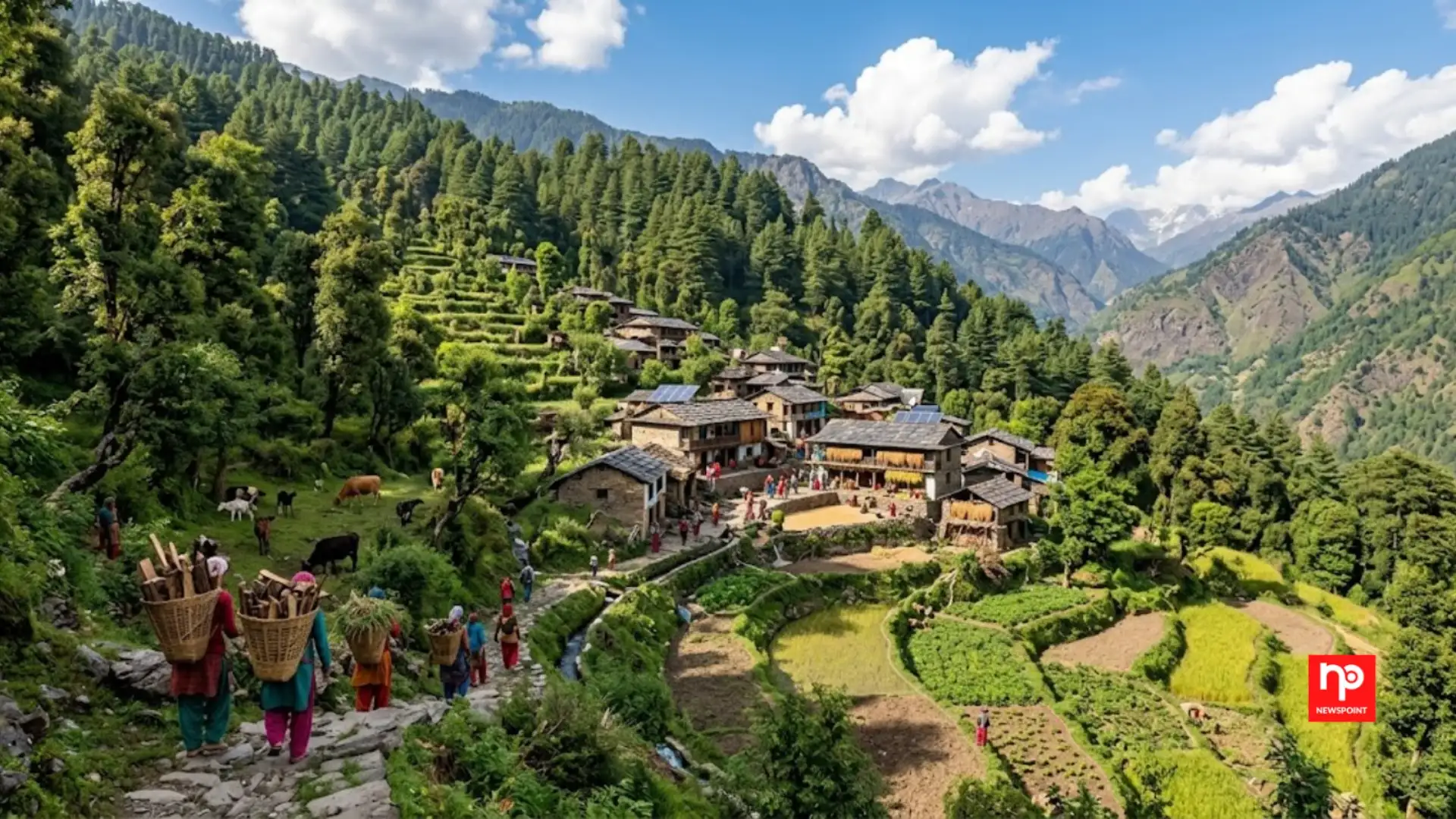
This close relationship has also created an understanding that taking too much from the forest eventually harms the village itself. In Uttarakhand, for example, village forest institutions known as Van Panchayats have been used to regulate and protect community forests. Research into villages across the state has documented local systems where villagers collectively guard forests, control access and encourage regeneration.
The results can be surprisingly visible. In one documented case involving villages in the Tehri region, community protection helped regenerate a forest that had previously been under pressure. The healthier forest also helped recharge groundwater and supplied fuel and fodder.
Known by names including Khlaw Kyntang in the Khasi Hills and Khloo Blai in the Jaintia Hills, these forests are associated with traditional beliefs and are protected by customary rules. Cutting trees or removing plants and other forest material has traditionally been prohibited in many of these groves.
The ecological importance of these places is considerable. Meghalaya's Biodiversity Board notes that sacred groves can contain rare, endangered and endemic species and also contribute to soil conservation, water quality and the wider hydrological cycle.
A healthy forest can protect springs and streams, reduce soil erosion and provide resources for agriculture. In mountainous regions, this matters enormously because a degraded slope can affect water supplies far below it.
The relationship also has a social dimension. India's Forest Rights Act, 2006 recognises certain community rights over forest resources and includes the right of eligible communities to protect, regenerate, conserve and manage community forest resources for sustainable use.
Meghalaya's traditional institutions, for example, continue to play a role in protecting sacred groves, water sources and other natural resources. Several sacred forests have also received formal recognition as Community Reserves.
Yet these traditions are not guaranteed to survive. Changing livelihoods, migration and the weakening of customary practices can place pressure on community forests. Meghalaya's biodiversity authorities have specifically warned about the erosion of traditional values and the degradation of some sacred groves.
Sometimes it begins with a village understanding that the trees on the hillside are connected to the water in the spring, the crops in the fields and the lives of the people below.
In these communities, the forest is not simply scenery. It is part of the community itself, and protecting it can be as much a social responsibility as an environmental one.
When the Forest Belongs to Everyday Life
In many Himalayan and northeastern villages, forests have historically been much more than collections of trees. They have supplied villagers with firewood, fodder, wild foods, medicinal plants and materials for homes and farming.This close relationship has also created an understanding that taking too much from the forest eventually harms the village itself. In Uttarakhand, for example, village forest institutions known as Van Panchayats have been used to regulate and protect community forests. Research into villages across the state has documented local systems where villagers collectively guard forests, control access and encourage regeneration.
The results can be surprisingly visible. In one documented case involving villages in the Tehri region, community protection helped regenerate a forest that had previously been under pressure. The healthier forest also helped recharge groundwater and supplied fuel and fodder.
Meghalaya’s Forests Protected by Tradition
Perhaps the most striking example comes from Meghalaya, where sacred groves have survived through generations of community protection.Known by names including Khlaw Kyntang in the Khasi Hills and Khloo Blai in the Jaintia Hills, these forests are associated with traditional beliefs and are protected by customary rules. Cutting trees or removing plants and other forest material has traditionally been prohibited in many of these groves.
The ecological importance of these places is considerable. Meghalaya's Biodiversity Board notes that sacred groves can contain rare, endangered and endemic species and also contribute to soil conservation, water quality and the wider hydrological cycle.
More Than Just Trees
What makes these Indian villages where the forest is part of the community particularly interesting is the way forests connect several aspects of rural life.A healthy forest can protect springs and streams, reduce soil erosion and provide resources for agriculture. In mountainous regions, this matters enormously because a degraded slope can affect water supplies far below it.
The relationship also has a social dimension. India's Forest Rights Act, 2006 recognises certain community rights over forest resources and includes the right of eligible communities to protect, regenerate, conserve and manage community forest resources for sustainable use.
Why These Traditional Systems Matter Today
Modern conservation often focuses on protected areas, scientific surveys and government regulation. Those approaches remain important, but community participation can add something that formal boundaries cannot easily provide: people who understand the landscape intimately.Meghalaya's traditional institutions, for example, continue to play a role in protecting sacred groves, water sources and other natural resources. Several sacred forests have also received formal recognition as Community Reserves.
Yet these traditions are not guaranteed to survive. Changing livelihoods, migration and the weakening of customary practices can place pressure on community forests. Meghalaya's biodiversity authorities have specifically warned about the erosion of traditional values and the degradation of some sacred groves.
A Forest That Is Also a Neighbour
The most revealing lesson from these villages is perhaps a simple one. Conservation does not always begin with a signboard declaring a protected forest.Sometimes it begins with a village understanding that the trees on the hillside are connected to the water in the spring, the crops in the fields and the lives of the people below.
In these communities, the forest is not simply scenery. It is part of the community itself, and protecting it can be as much a social responsibility as an environmental one.
Next Story