
How Indian Families Can Reduce Processed Food Intake Through Smarter Home Cooking Habits

Modern lifestyles have significantly changed eating habits across India. Convenience foods, packaged snacks, instant meals and sugary beverages have become common in many households due to busy schedules and easy availability. While processed foods may save time, excessive consumption can negatively affect long-term health.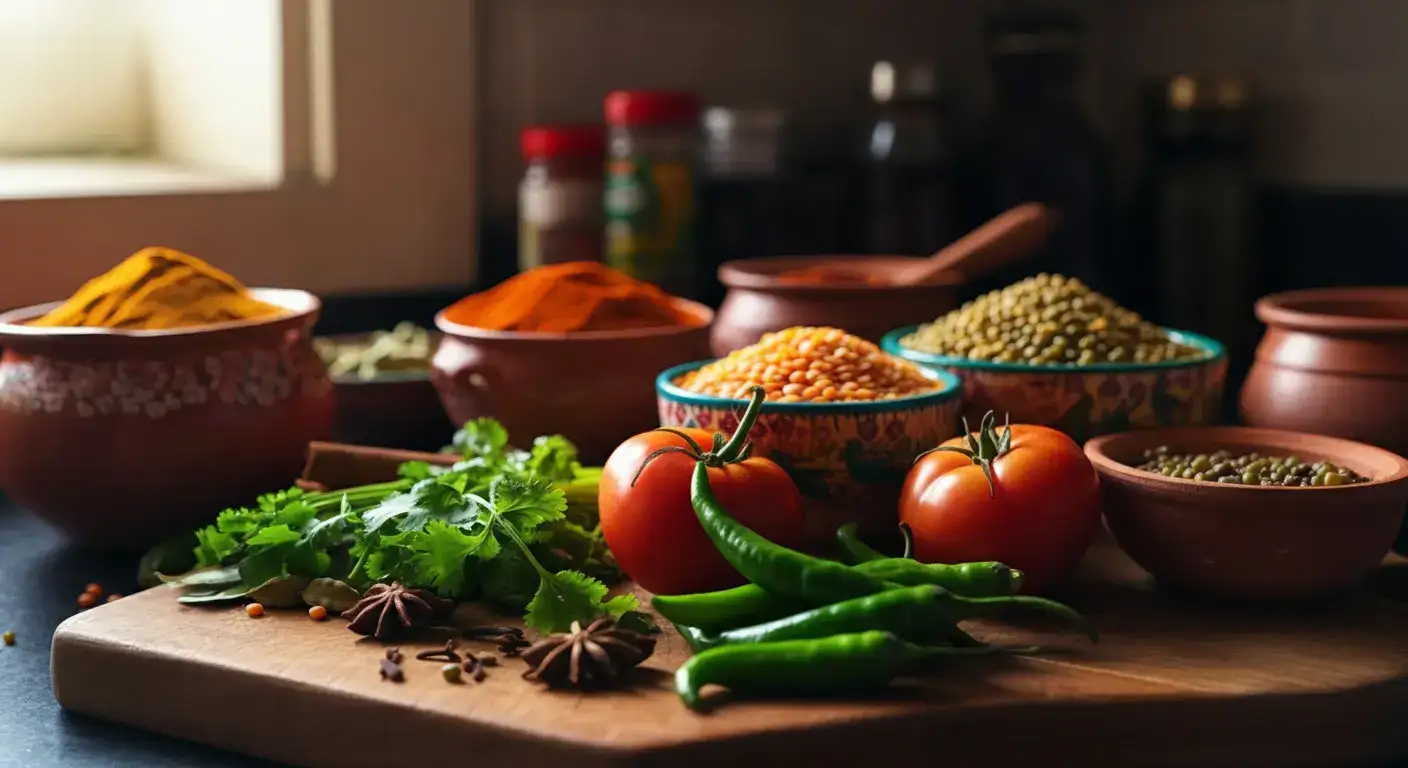
Many processed products contain high levels of salt, sugar, preservatives and unhealthy fats. Over time, regular intake may contribute to obesity, digestive problems, diabetes and heart-related conditions. As awareness around nutrition grows, more families are now trying to reduce processed food consumption and return to fresher, home-cooked eating habits.
Reducing processed food does not mean giving up flavour or convenience entirely. Small and practical changes in everyday Indian meals can help create a healthier and more balanced diet without making eating feel restrictive.
These products often include packaged chips, sugary cereals, instant noodles, processed meats, soft drinks, bakery snacks and ready-to-eat meals containing artificial additives and preservatives.
In Indian households, packaged namkeen, frozen snacks, instant mixes and sweetened beverages are becoming increasingly common. While occasional consumption may not be harmful, regular dependence on such foods can reduce overall diet quality.
Understanding food labels and recognising heavily processed ingredients is an important first step towards healthier eating.
Aggressive advertising and easy delivery options also encourage people to choose packaged meals over freshly prepared food. Many processed products are designed to be highly appealing through added sugar, salt and flavour enhancers, which may increase cravings and overeating.
Children and teenagers are particularly influenced by colourful packaging and fast-food culture, making healthy eating habits harder to maintain without conscious effort from families.
Simple homemade meals like dal, roti, rice, sabzi and curd can provide balanced nutrition without relying on heavily processed ingredients.
Preparing meals at home also allows better control over oil, salt and sugar levels. Even small changes such as replacing packaged sauces with homemade chutneys or fresh curd-based dips can improve meal quality.
Cooking in larger batches and planning weekly meals may also reduce dependence on instant food during busy days.
Healthier alternatives can include roasted makhana, peanuts, chana, fruits, sprouts or homemade sandwiches. Fresh coconut, seasonal fruits and yoghurt-based snacks can also satisfy hunger while providing better nutrition.
Indian households already have several traditional snack options that are less processed and more balanced when prepared with moderate oil and salt.
Replacing sugary drinks with buttermilk, lemon water or coconut water may further reduce unnecessary sugar intake.
Checking ingredient lists and nutrition information can help families make more informed choices. Shorter ingredient lists with recognisable foods are generally better than products filled with artificial flavourings and preservatives.
Understanding sugar content is especially important because many packaged drinks, breakfast products and snacks contain far more sugar than expected.
Gradually becoming more aware of labels can improve shopping decisions and reduce impulsive purchases of unhealthy products.
Parents can also make fresh meals visually appealing and avoid using junk food as a reward. Restricting processed food too aggressively may sometimes increase cravings, so balance and consistency are important.
Healthy eating becomes easier when the entire family follows similar habits rather than singling out children alone.
Many modern wellness trends now highlight practices that Indian households followed naturally for generations. Returning to simpler eating habits may help reduce dependence on heavily processed products while preserving cultural food traditions.
Using regional ingredients and traditional cooking methods can also make meals more diverse and nutritionally balanced.
Reducing the number of packaged snacks purchased each week, cooking more meals at home and increasing fresh ingredients can create meaningful long-term change.
Occasional processed foods can still fit into balanced lifestyles when consumed mindfully. The goal is not perfection but healthier everyday habits that support overall wellbeing.
As lifestyle diseases continue to rise, many Indian families are recognising the importance of food quality and mindful eating. Reducing processed food in daily meals is one practical step towards better health, improved energy and stronger long-term nutrition. By returning to fresher ingredients and balanced home cooking, households can create healthier routines without sacrificing flavour, tradition or enjoyment.
Many processed products contain high levels of salt, sugar, preservatives and unhealthy fats. Over time, regular intake may contribute to obesity, digestive problems, diabetes and heart-related conditions. As awareness around nutrition grows, more families are now trying to reduce processed food consumption and return to fresher, home-cooked eating habits.
Reducing processed food does not mean giving up flavour or convenience entirely. Small and practical changes in everyday Indian meals can help create a healthier and more balanced diet without making eating feel restrictive.
Understanding What Counts As Processed Food
Not all processed foods are harmful. Basic processing methods such as cleaning, freezing or pasteurising are often necessary for safety and storage. However, ultra-processed foods are usually the main concern.These products often include packaged chips, sugary cereals, instant noodles, processed meats, soft drinks, bakery snacks and ready-to-eat meals containing artificial additives and preservatives.
In Indian households, packaged namkeen, frozen snacks, instant mixes and sweetened beverages are becoming increasingly common. While occasional consumption may not be harmful, regular dependence on such foods can reduce overall diet quality.
Understanding food labels and recognising heavily processed ingredients is an important first step towards healthier eating.
Why Processed Foods Are Difficult To Avoid
Convenience is one of the biggest reasons processed foods have become popular. Long work hours, school schedules and urban lifestyles often leave little time for traditional cooking.Aggressive advertising and easy delivery options also encourage people to choose packaged meals over freshly prepared food. Many processed products are designed to be highly appealing through added sugar, salt and flavour enhancers, which may increase cravings and overeating.
Children and teenagers are particularly influenced by colourful packaging and fast-food culture, making healthy eating habits harder to maintain without conscious effort from families.
Bringing Back Fresh Home Cooking
One of the most effective ways to reduce processed food in Indian meals is by increasing home cooking. Traditional Indian kitchens already include many naturally healthy ingredients such as lentils, vegetables, whole grains, spices and fresh dairy.Simple homemade meals like dal, roti, rice, sabzi and curd can provide balanced nutrition without relying on heavily processed ingredients.
Preparing meals at home also allows better control over oil, salt and sugar levels. Even small changes such as replacing packaged sauces with homemade chutneys or fresh curd-based dips can improve meal quality.
Cooking in larger batches and planning weekly meals may also reduce dependence on instant food during busy days.
Choosing Healthier Snack Alternatives
Snacking is one area where processed food intake often becomes excessive. Packaged chips, biscuits and sugary snacks are widely consumed across age groups.Healthier alternatives can include roasted makhana, peanuts, chana, fruits, sprouts or homemade sandwiches. Fresh coconut, seasonal fruits and yoghurt-based snacks can also satisfy hunger while providing better nutrition.
Indian households already have several traditional snack options that are less processed and more balanced when prepared with moderate oil and salt.
Replacing sugary drinks with buttermilk, lemon water or coconut water may further reduce unnecessary sugar intake.
Reading Food Labels Carefully
Food labels can reveal hidden ingredients that many consumers overlook. Products marketed as “healthy” may still contain excessive sugar, sodium or artificial additives.Checking ingredient lists and nutrition information can help families make more informed choices. Shorter ingredient lists with recognisable foods are generally better than products filled with artificial flavourings and preservatives.
Understanding sugar content is especially important because many packaged drinks, breakfast products and snacks contain far more sugar than expected.
Gradually becoming more aware of labels can improve shopping decisions and reduce impulsive purchases of unhealthy products.
Involving Children In Healthy Eating Habits
Children often develop eating habits based on what they regularly see at home. Encouraging them to participate in grocery shopping, simple cooking activities or meal preparation can create interest in healthier foods.Parents can also make fresh meals visually appealing and avoid using junk food as a reward. Restricting processed food too aggressively may sometimes increase cravings, so balance and consistency are important.
You may also like
- What Happens If You Don't Sleep Enough? Health Problems Linked to Lack of Sleep
- These Common Refrigerator Mistakes Can Reduce Its Lifespan and Increase Electricity Bills
- PhonePe Launches Smart PoD: QR, Card and Tap Payments Now Easier for Merchants
- Is Summer Heat Upsetting Your Stomach? These Foods May Help Relieve Digestion Problems Naturally
- Troubled by Mosquito Bites? Make This Chemical-Free Mosquito Repellent Cream at Home
Healthy eating becomes easier when the entire family follows similar habits rather than singling out children alone.
The Role Of Traditional Indian Diets
Traditional Indian diets were largely based on seasonal produce, local grains and freshly prepared meals. Fermented foods, homemade pickles, millet-based dishes and plant-based ingredients played a major role in daily nutrition.Many modern wellness trends now highlight practices that Indian households followed naturally for generations. Returning to simpler eating habits may help reduce dependence on heavily processed products while preserving cultural food traditions.
Using regional ingredients and traditional cooking methods can also make meals more diverse and nutritionally balanced.
Making Gradual Changes Instead Of Extreme Restrictions
Completely eliminating processed food overnight may feel unrealistic for many families. Instead, gradual improvements are often more sustainable.Reducing the number of packaged snacks purchased each week, cooking more meals at home and increasing fresh ingredients can create meaningful long-term change.
Occasional processed foods can still fit into balanced lifestyles when consumed mindfully. The goal is not perfection but healthier everyday habits that support overall wellbeing.
As lifestyle diseases continue to rise, many Indian families are recognising the importance of food quality and mindful eating. Reducing processed food in daily meals is one practical step towards better health, improved energy and stronger long-term nutrition. By returning to fresher ingredients and balanced home cooking, households can create healthier routines without sacrificing flavour, tradition or enjoyment.






More from our partners


Loving Newspoint? Download the app now
