
How Indian Foods Can Naturally Support Better Hormonal Balance And Overall Wellness

Hormones quietly influence almost every important function in the body, including metabolism, mood, sleep, digestion, appetite, reproductive health and energy levels. When hormonal balance is disturbed, people may experience fatigue, irregular sleep, mood changes, skin issues, digestive discomfort or fluctuations in weight and energy. While medical guidance remains important for serious hormonal disorders, daily lifestyle habits and nutrition also play a major role in supporting overall hormonal wellbeing.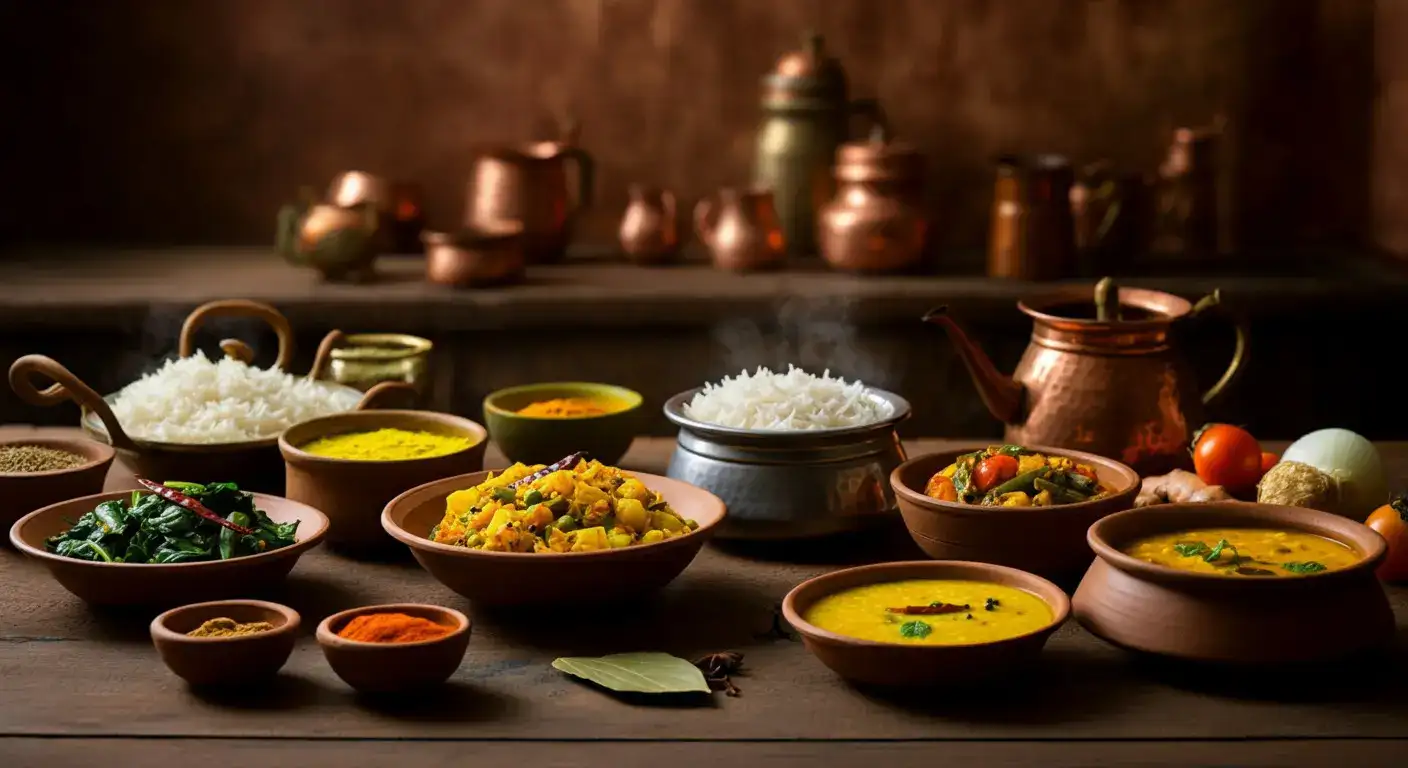
Traditional Indian diets include several natural ingredients that may help maintain better internal balance when consumed consistently as part of healthy routines. Unlike extreme diet trends that focus on restriction, Indian home-cooked meals often combine grains, spices, vegetables, healthy fats and fermented foods that support digestion, nutrition and long-term wellness.
Tracking hormonal health naturally does not mean searching for miracle foods. Instead, it involves paying attention to eating patterns, energy levels, sleep quality and overall physical wellbeing while using balanced nutrition to support the body gradually.
Indian lifestyles have also changed significantly in recent years due to long working hours, poor sleep patterns, increased screen exposure and sedentary routines. These factors can indirectly influence hormonal health by affecting digestion, metabolism and stress levels.
Balanced meals prepared with fresh ingredients may help stabilise energy and support better body functioning compared to heavily processed diets.
Balanced combinations such as dal-rice, roti-sabzi or khichdi provide carbohydrates, protein and fibre together, helping maintain steady energy levels. Stable eating patterns may positively influence hunger hormones and metabolism.
Fermented foods such as idli, dosa and homemade curd may support digestion and gut health, which is increasingly linked with hormonal regulation and immunity.
Simple home-cooked meals often work better for long-term health than extreme diet plans that are difficult to sustain.
Indian kitchens already use ingredients such as nuts, seeds, coconut and moderate amounts of ghee that can support balanced nutrition when consumed sensibly. Flaxseeds, sesame seeds and almonds are commonly available foods that also provide beneficial nutrients.
Excessive fried food and processed fats, however, may negatively affect overall health and should be reduced gradually.
Balance remains more important than completely eliminating traditional ingredients.
Indian vegetarian diets can include protein-rich foods such as lentils, paneer, soy products, sprouts, chickpeas and curd. Non-vegetarian households may include eggs, fish or lean meats as part of balanced meals.
Combining protein with fibre-rich foods may help improve satiety and reduce energy fluctuations during the day.
Simple additions such as sprouts at breakfast or dal with lunch can improve meal balance naturally.
Fenugreek seeds are often included in traditional diets for metabolic support, while turmeric is widely appreciated for its antioxidant compounds.
Although spices alone cannot solve hormonal issues, including them regularly in balanced meals may support overall health and digestion.
Fresh herbs such as coriander and mint also contribute flavour and micronutrients naturally.
Indian summers and busy urban lifestyles may increase dehydration risk, which can contribute to fatigue and reduced concentration. Coconut water, buttermilk and lemon water can support hydration alongside regular water intake.
Digestive health is equally important because nutrient absorption depends on proper gut function. Fibre-rich foods, fruits, vegetables and fermented foods may support healthier digestion and regular bowel movements.
Traditional Indian lifestyles often encouraged structured routines, early meals and balanced activity patterns. Modern schedules, however, have reduced consistency in sleep and eating habits for many people.
Mindful eating, regular movement and sufficient rest can support the body more effectively than relying entirely on supplements or restrictive trends.
Keeping meals balanced, staying physically active and maintaining regular routines can help support long-term wellbeing gradually.
Extreme dieting, skipping meals and relying heavily on processed foods may worsen energy and metabolic balance over time.
Hormonal health is closely connected to everyday habits, nutrition and overall lifestyle patterns. Indian kitchens already contain several nourishing foods that support balanced eating and long-term wellness naturally. Through fresh home-cooked meals, proper hydration, healthy fats, protein-rich ingredients and mindful routines, people can support their hormonal wellbeing without abandoning traditional food habits. Small and consistent lifestyle improvements often create more sustainable results than short-term health trends or restrictive eating patterns.
Traditional Indian diets include several natural ingredients that may help maintain better internal balance when consumed consistently as part of healthy routines. Unlike extreme diet trends that focus on restriction, Indian home-cooked meals often combine grains, spices, vegetables, healthy fats and fermented foods that support digestion, nutrition and long-term wellness.
Tracking hormonal health naturally does not mean searching for miracle foods. Instead, it involves paying attention to eating patterns, energy levels, sleep quality and overall physical wellbeing while using balanced nutrition to support the body gradually.
Why Hormonal Health Is Closely Linked To Food
Hormones depend heavily on nutrition because the body requires proteins, healthy fats, vitamins and minerals to produce and regulate them properly. Poor eating habits, excessive processed food consumption, irregular meal timings and chronic stress may affect hormonal balance over time.Indian lifestyles have also changed significantly in recent years due to long working hours, poor sleep patterns, increased screen exposure and sedentary routines. These factors can indirectly influence hormonal health by affecting digestion, metabolism and stress levels.
Balanced meals prepared with fresh ingredients may help stabilise energy and support better body functioning compared to heavily processed diets.
Traditional Indian Meals Often Support Balance Naturally
Many traditional Indian meals already include elements that support overall wellness. Dal provides plant-based protein, curd supports gut health, vegetables contribute fibre and spices add antioxidants and digestive support.Balanced combinations such as dal-rice, roti-sabzi or khichdi provide carbohydrates, protein and fibre together, helping maintain steady energy levels. Stable eating patterns may positively influence hunger hormones and metabolism.
Fermented foods such as idli, dosa and homemade curd may support digestion and gut health, which is increasingly linked with hormonal regulation and immunity.
Simple home-cooked meals often work better for long-term health than extreme diet plans that are difficult to sustain.
Healthy Fats Matter For Hormonal Function
Many people wrongly avoid fats entirely while trying to eat healthy. However, healthy fats are important for hormone production and nutrient absorption.Indian kitchens already use ingredients such as nuts, seeds, coconut and moderate amounts of ghee that can support balanced nutrition when consumed sensibly. Flaxseeds, sesame seeds and almonds are commonly available foods that also provide beneficial nutrients.
Excessive fried food and processed fats, however, may negatively affect overall health and should be reduced gradually.
Balance remains more important than completely eliminating traditional ingredients.
Protein-Rich Foods Support Better Energy And Recovery
Protein plays an important role in maintaining muscle health, metabolism and steady energy levels. Inadequate protein intake may sometimes contribute to weakness, cravings or fatigue.Indian vegetarian diets can include protein-rich foods such as lentils, paneer, soy products, sprouts, chickpeas and curd. Non-vegetarian households may include eggs, fish or lean meats as part of balanced meals.
Combining protein with fibre-rich foods may help improve satiety and reduce energy fluctuations during the day.
Simple additions such as sprouts at breakfast or dal with lunch can improve meal balance naturally.
Spices Used In Indian Cooking May Offer Supportive Benefits
Traditional Indian spices have long been associated with overall wellness. Turmeric, ginger, cumin, cinnamon and fenugreek are commonly used in everyday cooking and are valued for their digestive and anti-inflammatory properties.Fenugreek seeds are often included in traditional diets for metabolic support, while turmeric is widely appreciated for its antioxidant compounds.
Although spices alone cannot solve hormonal issues, including them regularly in balanced meals may support overall health and digestion.
Fresh herbs such as coriander and mint also contribute flavour and micronutrients naturally.
Hydration And Digestion Influence Hormonal Wellness
Hydration affects several body functions, including circulation, digestion and temperature regulation. Many people overlook water intake despite its importance for daily wellbeing.Indian summers and busy urban lifestyles may increase dehydration risk, which can contribute to fatigue and reduced concentration. Coconut water, buttermilk and lemon water can support hydration alongside regular water intake.
Digestive health is equally important because nutrient absorption depends on proper gut function. Fibre-rich foods, fruits, vegetables and fermented foods may support healthier digestion and regular bowel movements.
Sleep And Stress Also Affect Hormonal Balance
Food alone cannot maintain hormonal health without proper sleep and stress management. Irregular sleeping habits, chronic stress and excessive screen exposure may disturb hormonal patterns over time.Traditional Indian lifestyles often encouraged structured routines, early meals and balanced activity patterns. Modern schedules, however, have reduced consistency in sleep and eating habits for many people.
Mindful eating, regular movement and sufficient rest can support the body more effectively than relying entirely on supplements or restrictive trends.
Watching Everyday Signals From The Body
Tracking hormonal health naturally often begins with observing everyday patterns. Persistent fatigue, mood fluctuations, irregular appetite, poor sleep or digestive discomfort may indicate that lifestyle habits require attention.Keeping meals balanced, staying physically active and maintaining regular routines can help support long-term wellbeing gradually.
Extreme dieting, skipping meals and relying heavily on processed foods may worsen energy and metabolic balance over time.
Hormonal health is closely connected to everyday habits, nutrition and overall lifestyle patterns. Indian kitchens already contain several nourishing foods that support balanced eating and long-term wellness naturally. Through fresh home-cooked meals, proper hydration, healthy fats, protein-rich ingredients and mindful routines, people can support their hormonal wellbeing without abandoning traditional food habits. Small and consistent lifestyle improvements often create more sustainable results than short-term health trends or restrictive eating patterns.
Next Story