
How Indian Women Can Protect Bone Health After 40 With Simple Daily Habits

Your 40s can be an important time to start paying closer attention to bone health. For women, the years leading up to and following menopause are associated with hormonal changes that can contribute to a decline in bone density. That makes everyday habits around nutrition, physical activity and overall health increasingly relevant. Fortunately, protecting bones does not necessarily require complicated changes. Indian diets already include several useful sources of calcium and other nutrients, while activities such as walking and strength training can be incorporated into a busy routine. For women looking at bone health after 40 , consistent habits can provide a practical foundation for healthy ageing.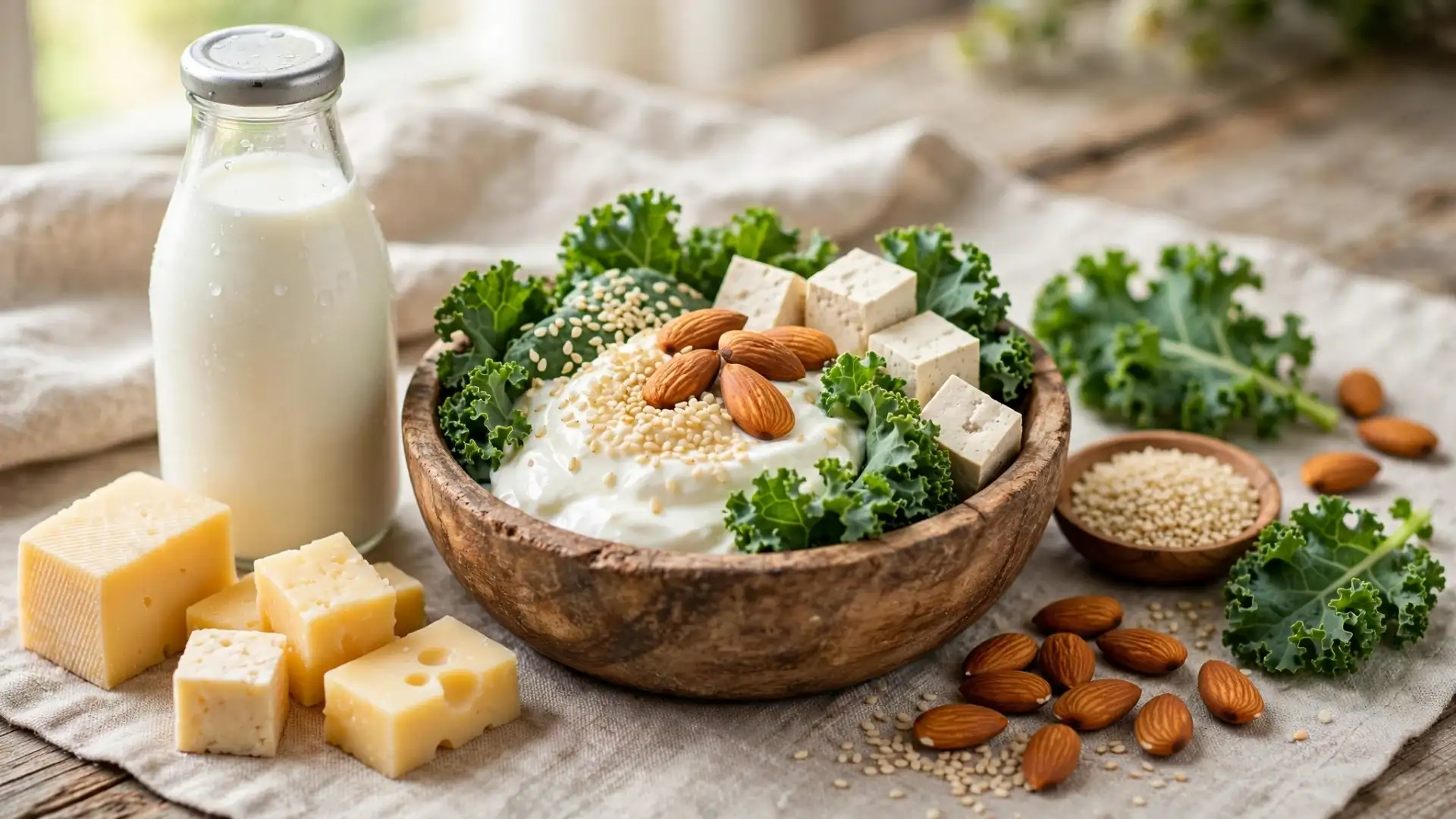
Rather than relying on one food, nutrition experts generally recommend getting nutrients from a varied diet. Women who avoid dairy can consider fortified plant-based alternatives, provided they contain adequate calcium.
Dietary sources and supplements may also be relevant for people who have inadequate vitamin D. If deficiency is suspected, speaking to a healthcare professional and getting appropriate testing can help determine whether supplementation is needed.
Strength training is also worth considering. According to exercise professionals, resistance exercises can support muscle strength and physical function while providing mechanical loading that benefits bone health. Beginners should start gradually and use appropriate technique.
Women should avoid crash diets or highly restrictive eating patterns, particularly when they result in inadequate intake of essential nutrients.
Women with risk factors should discuss bone health with a healthcare professional rather than waiting for symptoms, as osteoporosis can develop without obvious warning. Depending on individual risk, a clinician may recommend bone mineral density testing.
Ultimately, bone health for women after 40 is about more than calcium alone. A nutritious diet, regular exercise, adequate vitamin D, sensible lifestyle choices and appropriate medical guidance can work together to support stronger bones through midlife and beyond.
Image Courtesy: Meta AI
Add More Calcium-Rich Foods
Calcium is essential for maintaining normal bones and teeth. Indian diets offer several options, including milk, yoghurt, paneer, ragi, sesame seeds and some leafy green vegetables.Rather than relying on one food, nutrition experts generally recommend getting nutrients from a varied diet. Women who avoid dairy can consider fortified plant-based alternatives, provided they contain adequate calcium.
Pay Attention To Vitamin D
Vitamin D helps the body absorb calcium and is important for normal bone health. Sunlight enables the body to produce vitamin D, although the amount produced depends on factors such as skin exposure, time of day, season and location.Dietary sources and supplements may also be relevant for people who have inadequate vitamin D. If deficiency is suspected, speaking to a healthcare professional and getting appropriate testing can help determine whether supplementation is needed.
You may also like
- Peanuts With or Without Skin: Which Is Healthier and What Is the Best Way to Eat Them?
- 'This is my tiny house, though it looks straight out of a postcard, I live here': Woman reveals the issues she is facing living in a 'picture-perfect' house
- Why do Kodagu brides wear their saree backwards? The fascinating story behind their iconic drape
- Your child seems distracted while studying? These overlooked vision problems could be making reading and learning harder
- Why Zurich deserves more than a layover
Include Weight-Bearing Exercise
Regular movement is another important part of maintaining bone strength. Brisk walking, climbing stairs, dancing and similar weight-bearing activities can be included in a weekly routine.Strength training is also worth considering. According to exercise professionals, resistance exercises can support muscle strength and physical function while providing mechanical loading that benefits bone health. Beginners should start gradually and use appropriate technique.
Avoid Habits That Can Harm Bone Health
Smoking is harmful to bone health, while excessive alcohol consumption can also increase the risk of osteoporosis and fractures. Maintaining a healthy body weight and eating enough protein are also relevant to overall musculoskeletal health.Women should avoid crash diets or highly restrictive eating patterns, particularly when they result in inadequate intake of essential nutrients.
Know Your Risk Factors
Family history, previous fractures, certain medical conditions and some long-term medications can affect osteoporosis risk. Menopause-related changes can also be significant.Women with risk factors should discuss bone health with a healthcare professional rather than waiting for symptoms, as osteoporosis can develop without obvious warning. Depending on individual risk, a clinician may recommend bone mineral density testing.
Ultimately, bone health for women after 40 is about more than calcium alone. A nutritious diet, regular exercise, adequate vitamin D, sensible lifestyle choices and appropriate medical guidance can work together to support stronger bones through midlife and beyond.
Image Courtesy: Meta AI






Loving Newspoint? Download the app now
