
How Many Railway Zones Are There in India? Complete Overview of Indian Railways Structure

If you are wondering how many railway zones are in India, the answer is that Indian Railways is divided into 18 railway zones for smooth administration and efficient operations. Managed by Indian Railways under the Ministry of Railways, this massive network is one of the largest in the world, connecting millions of passengers every day across thousands of stations and routes.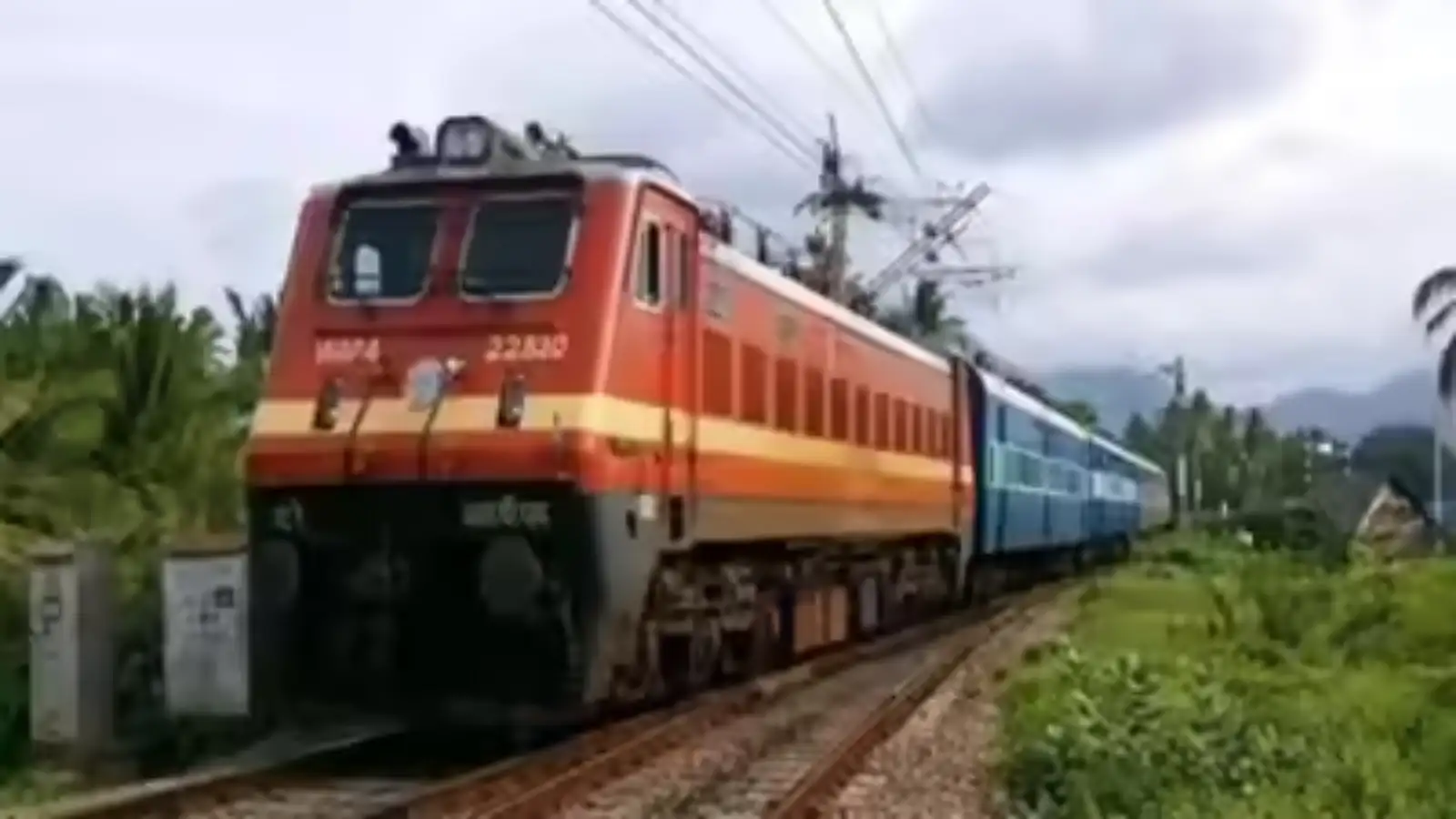
With more than 7,300+ stations and a route length exceeding 69,000 km, India’s railway system is designed for scale, speed, and coordination through its zonal structure.
How Many Railway Zones Are in India?
India currently has 18 railway zones, which are further divided into 68 operational divisions. Each zone functions as an independent administrative unit headed by a General Manager (GM), ensuring better control over train operations, safety, and infrastructure.
These zones help manage one of the world’s busiest railway networks in a structured and efficient way.
What Is a Railway Zone in India?
A railway zone is a major administrative region created to manage large sections of the Indian Railways network.
Since the system is too vast to be controlled centrally, it is divided into zones based on operational efficiency rather than state boundaries.
Each zone:
Each division is managed by a Divisional Railway Manager (DRM).
Complete List of 18 Railway Zones in India
Here is the full list of railway zones, their headquarters, and divisions:
How Indian Railway Zones Have Evolved Over Time
The number of railway zones in India has increased gradually with network expansion:
This expansion reflects India’s growing transportation needs and infrastructure development.
Key Facts About Railway Zones in India
1. Which cities host the most zones?
2. Largest and smallest zones
3. Special case: Kolkata Metro
4. South Coast Railway (SCoR)
What Is a Railway Division?
Each railway zone is further divided into 68 divisions across India.
Key points:
Divisions ensure ground-level efficiency in such a vast transport system.
Who Controls Indian Railways?
The entire railway system is owned by the Government of India and operated through Ministry of Railways.
The management structure includes:
Each level plays a key role in maintaining efficiency, safety, and connectivity.
To sum up, the answer to how many railway zones are in India is 18 zones, supported by 68 divisions that manage operations across one of the world’s largest rail networks. This structured system ensures that Indian Railways runs efficiently while serving millions of passengers every day across the country.
With more than 7,300+ stations and a route length exceeding 69,000 km, India’s railway system is designed for scale, speed, and coordination through its zonal structure.
How Many Railway Zones Are in India?
India currently has 18 railway zones, which are further divided into 68 operational divisions. Each zone functions as an independent administrative unit headed by a General Manager (GM), ensuring better control over train operations, safety, and infrastructure.
These zones help manage one of the world’s busiest railway networks in a structured and efficient way.
What Is a Railway Zone in India?
A railway zone is a major administrative region created to manage large sections of the Indian Railways network.
Since the system is too vast to be controlled centrally, it is divided into zones based on operational efficiency rather than state boundaries.
Each zone:
- Controls trains, stations, and tracks in its region
- Is headed by a General Manager (GM)
- Is further divided into smaller divisions
- Ensures smooth operations, safety, and passenger services
Each division is managed by a Divisional Railway Manager (DRM).
Complete List of 18 Railway Zones in India
Here is the full list of railway zones, their headquarters, and divisions:
You may also like
- Health Tips: Coconut Water Benefits in Summer—Key Vitamins That Keep You Cool and Energised
- Summer Health Alert: Prevent Dehydration with These Simple Daily Tips
- LookFantastic shoppers can get £109 of beauty products for under £16 with clever deal
- Summer Health Tips: Keep Your Digestion Strong in Heat with These Simple Daily Habits
- Why Lord Shiva Suddenly Removes People from Your Life
- Central Railway (CR) – Mumbai (5 divisions)
- Eastern Railway (ER) – Kolkata (4 divisions)
- East Central Railway (ECR) – Hajipur (5 divisions)
- East Coast Railway (ECoR) – Bhubaneswar (3 divisions)
- Northern Railway (NR) – New Delhi (5 divisions)
- North Central Railway (NCR) – Prayagraj (3 divisions)
- North Eastern Railway (NER) – Gorakhpur (3 divisions)
- Northeast Frontier Railway (NFR) – Guwahati (5 divisions)
- North Western Railway (NWR) – Jaipur (4 divisions)
- Southern Railway (SR) – Chennai (5 divisions)
- South Central Railway (SCR) – Secunderabad (5 divisions)
- South Eastern Railway (SER) – Kolkata (4 divisions)
- South East Central Railway (SECR) – Bilaspur (3 divisions)
- South Western Railway (SWR) – Hubballi (3 divisions)
- Western Railway (WR) – Mumbai (6 divisions)
- West Central Railway (WCR) – Jabalpur (3 divisions)
- Metro Railway Kolkata (MR) – Kolkata (1 division)
- South Coast Railway (SCoR) – Visakhapatnam (4 divisions, newly added zone)
How Indian Railway Zones Have Evolved Over Time
The number of railway zones in India has increased gradually with network expansion:
- 1951: Initial reorganisation created 6 zones
- 1952: Expanded to 8–9 zones
- 2002–2003: Major expansion added 7 new zones, taking total to 16
- 2010: Kolkata Metro became a zonal railway (17th zone)
- 2019: South Coast Railway was announced as the 18th zone
This expansion reflects India’s growing transportation needs and infrastructure development.
Key Facts About Railway Zones in India
1. Which cities host the most zones?
- Kolkata: 3 zones (Eastern, South Eastern, Metro Railway)
- Mumbai: 2 zones (Central & Western Railway)
2. Largest and smallest zones
- Largest zone: Northern Railway (covers multiple states including UP, Punjab, Delhi, and J&K)
- Smallest zone: North Eastern Railway (Gorakhpur-based)
3. Special case: Kolkata Metro
- Operates as a full railway zone since 2010
- India’s first underground metro system
- Provides high-speed urban connectivity
4. South Coast Railway (SCoR)
- Newest railway zone (announced in 2019)
- Headquartered in Visakhapatnam
- Covers key regions of Andhra Pradesh, Telangana, and Tamil Nadu
What Is a Railway Division?
Each railway zone is further divided into 68 divisions across India.
Key points:
- Managed by a Divisional Railway Manager (DRM)
- Responsible for daily train operations
- Handles passenger services, safety, and maintenance
- Works under the respective zonal GM
Divisions ensure ground-level efficiency in such a vast transport system.
Who Controls Indian Railways?
The entire railway system is owned by the Government of India and operated through Ministry of Railways.
The management structure includes:
- Railway Board (top authority)
- Chairman & CEO
- General Managers (zones)
- Divisional Railway Managers (divisions)
Each level plays a key role in maintaining efficiency, safety, and connectivity.
To sum up, the answer to how many railway zones are in India is 18 zones, supported by 68 divisions that manage operations across one of the world’s largest rail networks. This structured system ensures that Indian Railways runs efficiently while serving millions of passengers every day across the country.






More from our partners


Loving Newspoint? Download the app now
