
How Meal Timing and Dietary Diversity Can Influence Your Gut Health

Gut health depends on several everyday factors, including dietary diversity , fibre intake, meal timing and physical activity. Small, consistent changes to your routine may help support digestion and maintain a balanced gut microbiome, the community of microorganisms living in your digestive tract.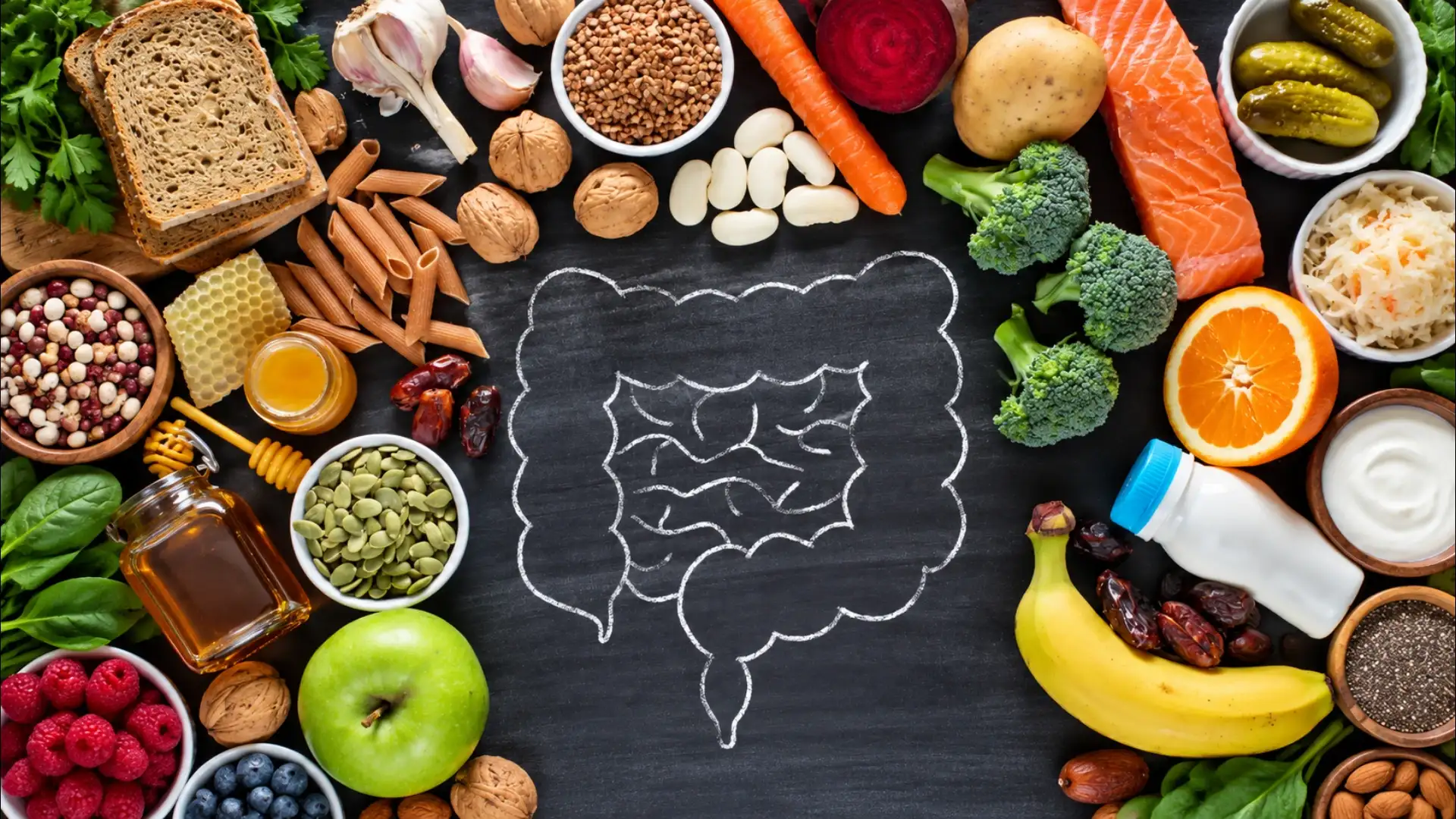
From eating a wider variety of plant foods to taking a short walk after meals, simple habits can contribute to better digestive health. However, there is no single routine that works for everyone. Understanding how food choices, fermented products and eating patterns affect the gut can help you make more informed decisions.
These can include vegetables, fruits, whole grains, beans, lentils, nuts, seeds, herbs and spices. Different plant foods provide different types of dietary fibre and other compounds that gut microorganisms can use.
You do not need to make drastic changes to your diet. Try adding a handful of nuts to breakfast, including different vegetables at lunch and rotating your fruit choices throughout the week.
The 30-plant target is a useful goal rather than a strict medical requirement. Start with the variety you can comfortably manage and increase your fibre intake gradually.
Walking also encourages normal bowel activity in some people. However, it does not guarantee faster stomach emptying or eliminate bloating, which can have several different causes.
Start with a comfortable 5 to 10-minute walk after a meal and adjust the duration according to your fitness and comfort. If you experience pain or discomfort after eating, consider discussing the symptoms with a healthcare professional.
During fasting periods, the digestive tract experiences patterns of movement known as the migrating motor complex (MMC). These contractions help move residual material through the stomach and small intestine between meals.
However, a 12-hour overnight fast does not guarantee that the digestive system has been completely cleared of bacteria or undigested material. It is also not an established treatment for small intestinal bacterial overgrowth (SIBO).
Longer fasting periods are not necessary for everyone. People with medical conditions, a history of eating disorders, or specific nutritional needs should seek appropriate professional advice before adopting restrictive eating schedules.
Options include live-culture yoghurt, kefir, kimchi and sauerkraut. Kombucha is another fermented drink, although its sugar content and live-culture levels can vary.
Choose products that suit your dietary preferences and check labels when looking for live cultures. In India, plain yoghurt or dahi can be a convenient option to include with meals.
Fermented foods may support aspects of gut health, but their effects differ by product and individual. Not every fermented food contains live microorganisms when consumed, and fermented foods should not be treated as a guaranteed way to establish beneficial bacteria.
Seek medical advice if symptoms persist or recur. Severe abdominal pain, blood in the stool or other concerning symptoms require prompt medical assessment.
A balanced diet and healthy daily habits can support digestive health, but they cannot replace medical evaluation or treatment when needed.
From eating a wider variety of plant foods to taking a short walk after meals, simple habits can contribute to better digestive health. However, there is no single routine that works for everyone. Understanding how food choices, fermented products and eating patterns affect the gut can help you make more informed decisions.
1. Follow the 30-Plant Foods a Week Approach
Eating a diverse range of plant foods is one practical way to support your gut microbiome. A commonly discussed guideline is to aim for around 30 different plant foods each week.These can include vegetables, fruits, whole grains, beans, lentils, nuts, seeds, herbs and spices. Different plant foods provide different types of dietary fibre and other compounds that gut microorganisms can use.
You do not need to make drastic changes to your diet. Try adding a handful of nuts to breakfast, including different vegetables at lunch and rotating your fruit choices throughout the week.
The 30-plant target is a useful goal rather than a strict medical requirement. Start with the variety you can comfortably manage and increase your fibre intake gradually.
2. Take a Short Walk After Meals
A gentle walk after eating can be a useful addition to your daily routine. Light physical activity supports general health and may help regulate blood glucose levels after meals.Walking also encourages normal bowel activity in some people. However, it does not guarantee faster stomach emptying or eliminate bloating, which can have several different causes.
Start with a comfortable 5 to 10-minute walk after a meal and adjust the duration according to your fitness and comfort. If you experience pain or discomfort after eating, consider discussing the symptoms with a healthcare professional.
3. Maintain a Consistent Overnight Eating Break
Allowing a reasonable gap between dinner and breakfast can help establish a consistent eating routine. For some adults, a 12-hour overnight break, such as finishing dinner at 8 pm and eating breakfast at 8 am, may be practical.During fasting periods, the digestive tract experiences patterns of movement known as the migrating motor complex (MMC). These contractions help move residual material through the stomach and small intestine between meals.
However, a 12-hour overnight fast does not guarantee that the digestive system has been completely cleared of bacteria or undigested material. It is also not an established treatment for small intestinal bacterial overgrowth (SIBO).
Longer fasting periods are not necessary for everyone. People with medical conditions, a history of eating disorders, or specific nutritional needs should seek appropriate professional advice before adopting restrictive eating schedules.
4. Include Fermented Foods in Your Diet
Fermented foods can add variety to your meals and may provide beneficial microorganisms, depending on how they are prepared and stored.You may also like
- Psychology says children who refuse to join a group photograph but happily take the picture may mean more than you think
- New On-Demand Male Contraceptive Pill Set to Revolutionize Birth Control
- Ayurvedic Doctors Warn Hidden Health Risks Behind the Trend
- How Practicing Shashakasana Daily Relieves Spine Tension
- Which Works Better for Constipation Relief and How to Eat Them Right
Options include live-culture yoghurt, kefir, kimchi and sauerkraut. Kombucha is another fermented drink, although its sugar content and live-culture levels can vary.
Choose products that suit your dietary preferences and check labels when looking for live cultures. In India, plain yoghurt or dahi can be a convenient option to include with meals.
Fermented foods may support aspects of gut health, but their effects differ by product and individual. Not every fermented food contains live microorganisms when consumed, and fermented foods should not be treated as a guaranteed way to establish beneficial bacteria.
5. Avoid Habits That May Affect Digestion
Certain everyday habits may contribute to digestive discomfort or make it harder to maintain a balanced eating routine.- Frequent late-night snacking: Eating close to bedtime may worsen acid reflux in some people. If this is a concern, try finishing meals a few hours before lying down.
- Eating too quickly: Rushing meals can increase swallowed air and may contribute to bloating. Eating slowly and chewing thoroughly can help you recognise fullness and enjoy meals more comfortably.
- Excessive reliance on highly processed foods: Diets with limited dietary fibre and little variety in plant foods may provide fewer substrates for beneficial gut microorganisms.
- Consuming artificial sweeteners in large amounts: The effects of sweeteners on gut microorganisms vary according to the substance, amount consumed and individual. Evidence does not support treating all artificial sweeteners as equally harmful to gut health.
6. Build a Practical Daily Gut-Health Routine
Consistency is generally more useful than attempting to follow a complicated schedule. You can organise your day around a few manageable habits.- Breakfast: Choose a fibre-rich option, such as oats with fruit, nuts or seeds.
- Lunch: Include vegetables, whole grains or millets, and a source of protein such as beans or lentils.
- After meals: Take a gentle walk when convenient.
- Snacks: Choose fruit, nuts or other minimally processed foods that suit your needs.
- Dinner: Aim for a balanced meal and allow sufficient time before going to bed, particularly if you experience reflux.
- Overnight: Maintain a regular eating schedule that supports your nutritional needs and daily routine.
7. When Should You Pay Attention to Gut Symptoms?
Changes in digestion can occur for many reasons, including dietary changes, stress, medication and underlying health conditions. Persistent bloating, abdominal pain, ongoing diarrhoea or constipation, or unexplained weight loss should not automatically be attributed to an unhealthy microbiome.Seek medical advice if symptoms persist or recur. Severe abdominal pain, blood in the stool or other concerning symptoms require prompt medical assessment.
A balanced diet and healthy daily habits can support digestive health, but they cannot replace medical evaluation or treatment when needed.






Loving Newspoint? Download the app now
