
How Ordinary Soap Destroys Germs Better Than You Think

Soap may seem like a simple household item, but it's one of the most powerful tools in our fight against viruses and bacteria. Long before modern sanitisers and disinfectants became popular, soap was already protecting people from disease through a simple yet brilliant chemical reaction. Understanding how soap works against germs isn’t just interesting—it reinforces why regular handwashing remains essential in maintaining hygiene and health. Here’s a closer look at the fascinating science behind why soap is so effective at killing germs.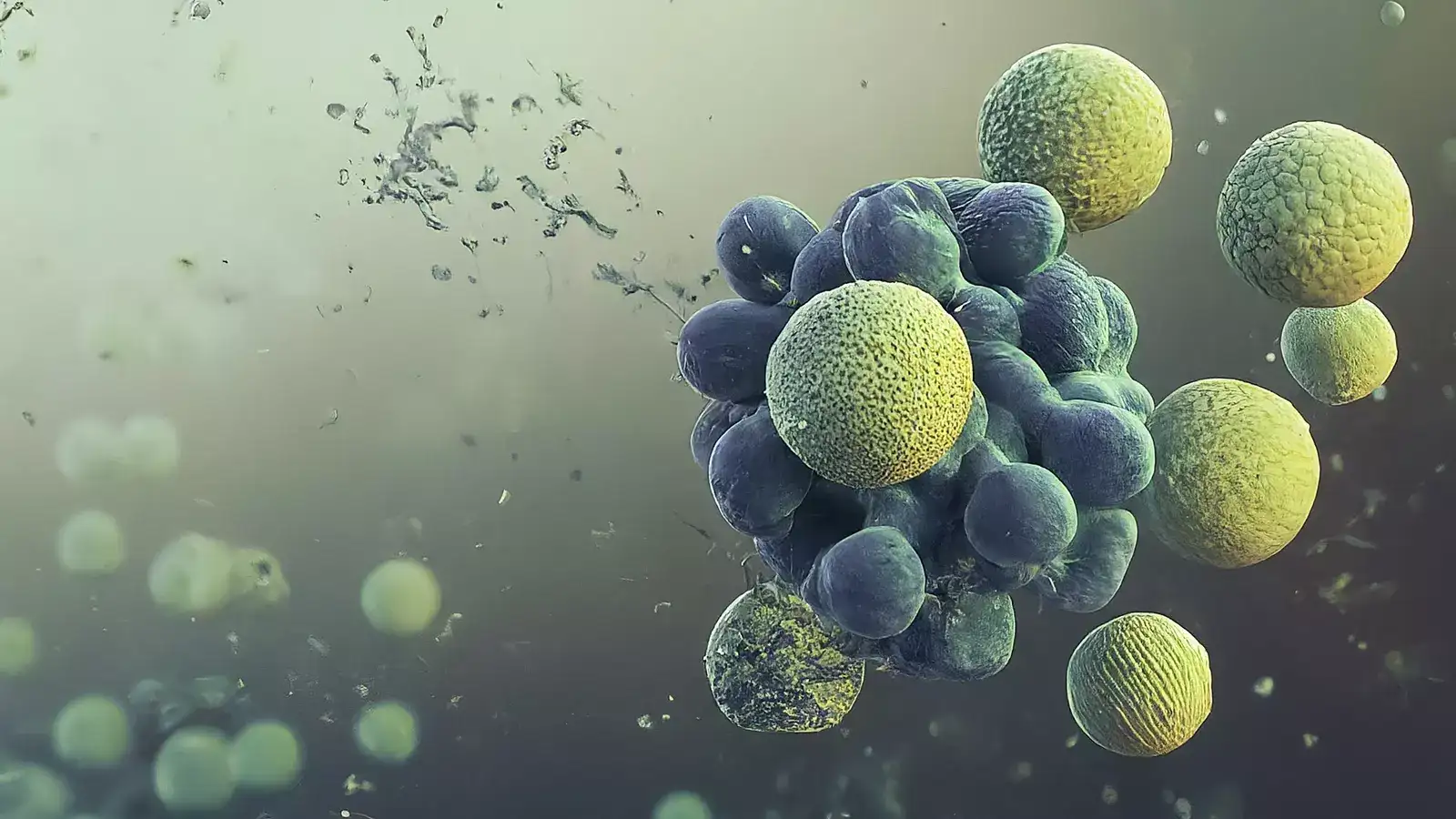
Without their lipid coating, viruses and bacteria can’t survive or spread. This is why washing with soap and water for at least 20 seconds is far more effective than a quick rinse or even using some alcohol-based sanitisers.
This forms a structure called a micelle—a tiny droplet that traps dirt, oil, and germs inside. These micelles are then rinsed away under running water, physically removing harmful particles from your skin.
It’s also worth noting that while alcohol-based sanitisers are helpful when soap isn’t available, they don’t physically remove dirt and grime in the same way soap does.
Germs Are Coated in Fat—And Soap Destroys That Layer
Most harmful microbes, including viruses like influenza and coronaviruses, are surrounded by a protective layer made of lipids (fats). This outer shell helps the virus attach to surfaces and infect host cells. Soap molecules, on the other hand, are specially structured to break down fats. When you lather your hands with soap, the molecules target this fatty layer, breaking it apart and rendering the microbe harmless.Without their lipid coating, viruses and bacteria can’t survive or spread. This is why washing with soap and water for at least 20 seconds is far more effective than a quick rinse or even using some alcohol-based sanitisers.
Soap Molecules Are Both Water-Loving and Fat-Loving
The secret to soap's germ-killing power lies in its dual nature. Each soap molecule has two ends—one that is hydrophilic (attracted to water) and one that is hydrophobic (attracted to fat and oil). When soap comes into contact with water and grease or microbes, the hydrophobic end binds to the germ’s fatty coating, while the hydrophilic end pulls it into the water.This forms a structure called a micelle—a tiny droplet that traps dirt, oil, and germs inside. These micelles are then rinsed away under running water, physically removing harmful particles from your skin.
Rubbing Helps Break the Germ Structure Further
It’s not just the soap but also the mechanical action of rubbing your hands that plays a role in germ removal. Friction helps loosen dirt, oils, and microbes from the skin’s surface, allowing the soap molecules to work more efficiently. That’s why handwashing should always involve thorough scrubbing—between fingers, under nails, and around the wrists.Soap Is Effective Against a Wide Range of Microbes
Unlike hand sanitisers, which typically only target certain types of bacteria or viruses (and may be less effective when hands are visibly dirty), soap works against a broad spectrum. Whether it's bacteria, fungi, or enveloped viruses, the combination of soap’s chemistry and the washing action removes most harmful microbes effectively.It’s also worth noting that while alcohol-based sanitisers are helpful when soap isn’t available, they don’t physically remove dirt and grime in the same way soap does.
Soap Doesn’t Just Kill—It Removes
Perhaps the most overlooked fact about soap is that it doesn’t "kill" germs the way a disinfectant might. Instead, it breaks them down and physically removes them from your skin. This reduces your risk of transferring those germs to your eyes, mouth, or other surfaces. It’s a preventive defence that’s both safe and simple.The Origins of Soap Go Back Thousands of Years
The use of soap dates back to ancient civilisations, with early records showing that the Babylonians, Egyptians, and Romans made forms of soap from animal fats and ash. Even without a full understanding of microbiology, our ancestors realised that soap had unique cleaning properties. Today, modern chemistry has confirmed what history already knew: soap is a powerful ally in staying clean and healthy.The Role of Water Temperature and Time
While hot water may feel more satisfying, studies show that the temperature of the water doesn’t significantly affect the effectiveness of handwashing. What matters more is the time spent scrubbing. Washing for at least 20 seconds ensures enough contact between soap and germs to break them down and wash them away.Why Handwashing Remains Essential
Even in the age of high-tech disinfectants and UV devices, nothing beats plain old soap and water. It’s affordable, accessible, and scientifically proven. Whether you’re coming in from outside, preparing food, or recovering from illness, washing your hands remains one of the easiest and most effective ways to protect yourself and others.The Clean Chemistry We All Need
Understanding the science behind soap helps us appreciate how such a humble product became a hero of public health. It’s not just about being clean—it’s about disrupting the very structure of the microbes that make us sick. So next time you reach for that bar or bottle, remember: with every lather, you’re activating a chemical defence that’s been saving lives for centuries.Next Story