
How Do Plants Attract Bees and Butterflies? Know Their Natural Secrets

Plants may appear to stand still, but many have developed clever ways to attract bees, butterflies and other pollinators. Their colours, scents, shapes and nectar can act as natural signals, guiding insects towards flowers.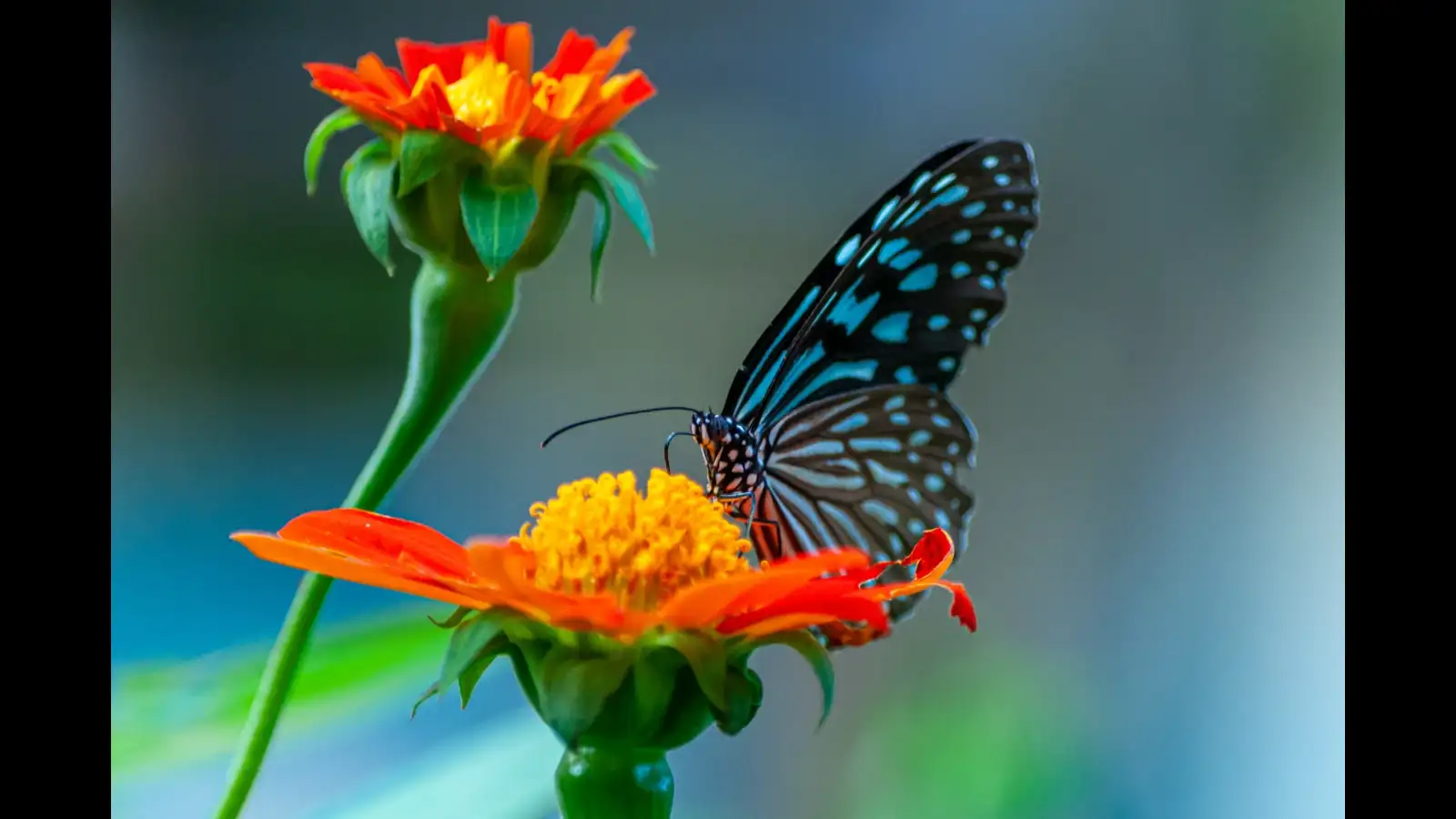
Pollinators play an important role in plant reproduction. When bees and butterflies visit flowers to collect nectar or pollen, they can carry pollen from one flower to another. This helps many flowering plants produce seeds and fruit.
Butterflies are particularly attracted to colourful flowers, including shades such as yellow, purple, pink, red and orange. Bees can also distinguish several colours, although their vision differs from that of humans. They are especially responsive to blue, violet and ultraviolet patterns.
Some flowers also have markings that are difficult for humans to see but can help guide bees towards the centre of the flower.
Strongly scented flowers can be especially noticeable to insects from a distance. The fragrance may signal that nectar or pollen is available.
Not every flower has a strong smell, however. Plants use different combinations of visual and chemical signals depending on the pollinators they attract.
Butterflies generally use their long, tube-like proboscis to reach nectar. Bees collect nectar using their mouthparts and may take it back to the colony.
Because visiting flowers can provide a food reward, insects may return to plants that offer a reliable supply of nectar.
Some flowers have shallow, open structures that make nectar easily accessible to butterflies and other insects with longer mouthparts. Others have deeper floral tubes that may suit particular pollinators.
The arrangement of petals and reproductive parts can also encourage an insect to brush against pollen while feeding.
Flowers can therefore attract bees by providing both nectar and pollen. As bees move between flowers, pollen can stick to their bodies and be transferred to another flower.
The size and shape of a flower can also affect which pollinators can comfortably access its resources.
These markings can function as visual guides, sometimes called nectar guides. Certain guides are visible to humans, while others may include ultraviolet patterns that bees can detect.
This timing can increase the chances of visits from suitable pollinators. Flowering periods may also vary between plant species, giving insects access to different food sources throughout the year.
Pollination is therefore an important part of the life cycle of flowering plants. The relationship can benefit both sides: insects obtain food, while plants gain help with reproduction.
Avoiding unnecessary pesticide use, providing shallow water sources and leaving some natural areas undisturbed can also make outdoor spaces more suitable for pollinators.
The next time a bee or butterfly lands on a flower, its visit is more than a search for food. The flower has used a combination of colour, scent, shape and reward to make itself noticeable, while the insect may help the plant complete one of the most important stages of its life cycle.
Pollinators play an important role in plant reproduction. When bees and butterflies visit flowers to collect nectar or pollen, they can carry pollen from one flower to another. This helps many flowering plants produce seeds and fruit.
Bright Flower Colours Catch Attention
Colour is one of the most noticeable ways flowers attract pollinators. Many flowers have bright shades that are easy for insects to spot against green leaves.Butterflies are particularly attracted to colourful flowers, including shades such as yellow, purple, pink, red and orange. Bees can also distinguish several colours, although their vision differs from that of humans. They are especially responsive to blue, violet and ultraviolet patterns.
Some flowers also have markings that are difficult for humans to see but can help guide bees towards the centre of the flower.
Sweet Scents Help Bees and Butterflies Find Flowers
A flower's fragrance can be another important attraction. Plants release different chemical compounds that create floral scents, helping pollinators locate flowers.Strongly scented flowers can be especially noticeable to insects from a distance. The fragrance may signal that nectar or pollen is available.
Not every flower has a strong smell, however. Plants use different combinations of visual and chemical signals depending on the pollinators they attract.
Nectar Provides a Food Reward
Nectar is one of the biggest attractions for many bees and butterflies. This sugary liquid is produced by flowers and provides insects with an important source of energy.Butterflies generally use their long, tube-like proboscis to reach nectar. Bees collect nectar using their mouthparts and may take it back to the colony.
Because visiting flowers can provide a food reward, insects may return to plants that offer a reliable supply of nectar.
Flower Shape Can Guide Pollinators
The shape of a flower can influence which insects are able to reach its nectar.Some flowers have shallow, open structures that make nectar easily accessible to butterflies and other insects with longer mouthparts. Others have deeper floral tubes that may suit particular pollinators.
The arrangement of petals and reproductive parts can also encourage an insect to brush against pollen while feeding.
Pollen Attracts Bees
While butterflies mainly visit flowers for nectar, pollen is particularly important to bees. Bees collect pollen as a source of nutrients and carry it back to their nests or colonies.Flowers can therefore attract bees by providing both nectar and pollen. As bees move between flowers, pollen can stick to their bodies and be transferred to another flower.
Flowers Offer Useful Landing Spots
Many flowers have structures that make it easier for insects to land and feed. Petals can provide a stable surface, allowing bees and butterflies to position themselves while reaching nectar or pollen.The size and shape of a flower can also affect which pollinators can comfortably access its resources.
Some Plants Provide Visual Guides
Flowers are not always designed simply to look attractive to humans. Some have patterns, lines or spots that can help direct insects towards the centre of the flower.You may also like
- NAOS' Bioderma and talabat Partner To Give Delivery Riders a Day To Remember
- Global luxury, Indian craft - but credit?
- “Mera beta puchhta hai, mummy papa ke upar building gir gayi?”: Satya Niketan collapse victim Paramlal's 5-year-old son still waits for him; family struggles to survive without its only earner
- Psychology says people who feel uncomfortable when someone is too kind to them aren't ungrateful: What makes receiving affection difficult
- BSDS Account: Banks won't be able to levy arbitrary charges on this account—this RBI rule is excellent..
These markings can function as visual guides, sometimes called nectar guides. Certain guides are visible to humans, while others may include ultraviolet patterns that bees can detect.
Timing Also Matters
Plants can also attract pollinators by flowering when particular insects are active. Some flowers open or produce more nectar at specific times of day.This timing can increase the chances of visits from suitable pollinators. Flowering periods may also vary between plant species, giving insects access to different food sources throughout the year.
Why Pollination Matters
When bees, butterflies and other pollinators move between flowers, they can transfer pollen between the male and female reproductive parts of flowers. This process enables fertilisation in many plants and supports the production of seeds.Pollination is therefore an important part of the life cycle of flowering plants. The relationship can benefit both sides: insects obtain food, while plants gain help with reproduction.
How You Can Attract More Pollinators
If you want to make a garden or balcony more welcoming to bees and butterflies, consider growing a variety of flowering plants. Choosing plants with different flower shapes, colours and flowering periods can provide a more consistent supply of nectar and pollen.Avoiding unnecessary pesticide use, providing shallow water sources and leaving some natural areas undisturbed can also make outdoor spaces more suitable for pollinators.
The next time a bee or butterfly lands on a flower, its visit is more than a search for food. The flower has used a combination of colour, scent, shape and reward to make itself noticeable, while the insect may help the plant complete one of the most important stages of its life cycle.






Loving Newspoint? Download the app now
