
How Trees Know When Seasons Change: The Hidden Science Behind Spring, Summer and Winter

While humans rely on calendars and digital watches to track the calendar year, trees, flowers and agricultural crops rely on a precise biological process called photoperiodism. Temperature fluctuates wildly from week to week, making air warmth an unreliable signal for seasonal shifts. Instead, plants measure changes in night length using light-sensitive proteins known as phytochromes . These internal photoreceptors switch between active and inactive forms based on the ratio of daylight to dark hours. As autumn nights grow longer, phytochromes detect the shifting pattern and signal the organism to begin preparing for colder weather well before frost arrives.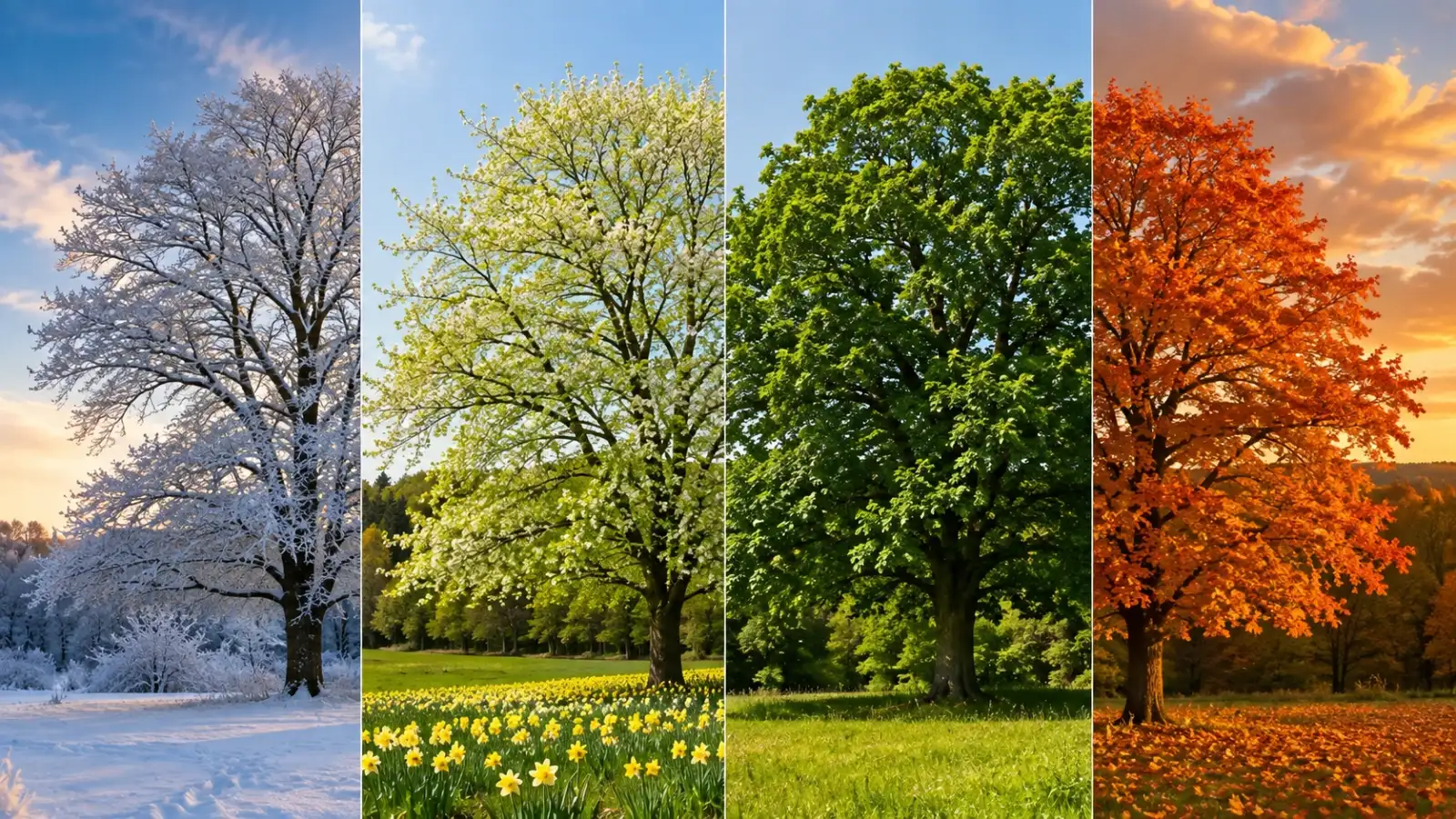
Next Story