
From Seawater To Table Salt: How Salt Is Made From The Sea

For something as ordinary as table salt, its journey to our kitchen is surprisingly fascinating. The salt we sprinkle on food can begin as seawater collected in large coastal salt pans. Sunlight, wind and carefully controlled processing gradually turn the salty water into crystals, which are then cleaned, refined and iodised before reaching our homes.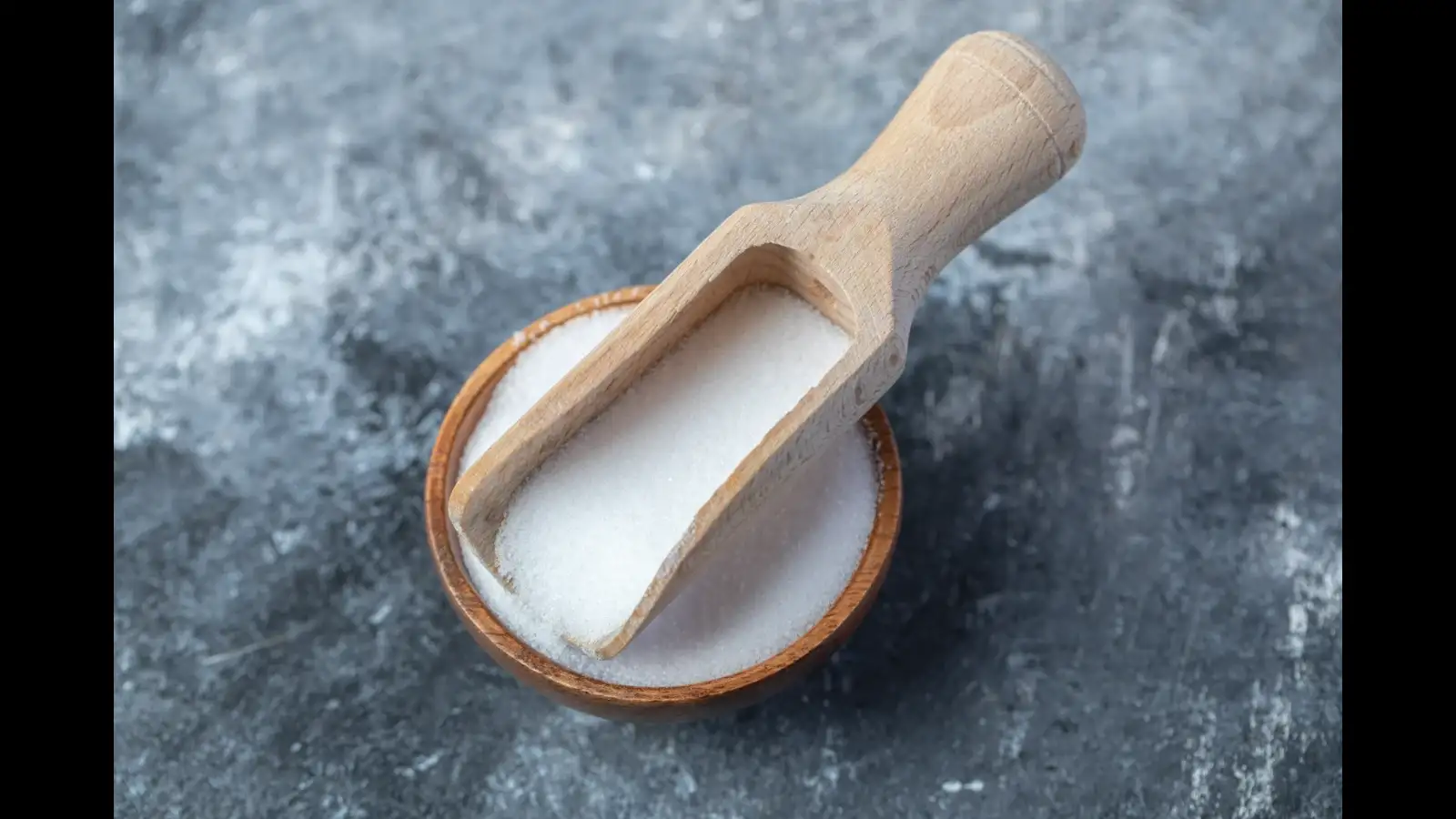
Water from the sea then evaporates under the sun and returns to the atmosphere, while the dissolved salts remain behind. This natural cycle has continued for millions of years.
On average, seawater has a salinity of about 3.5%. That means a litre of seawater contains roughly 35 grams of dissolved salts, with sodium chloride being the main one.
Seawater is allowed to enter these pans, either through tidal channels or with the help of pumps. Coastal regions such as Kutch in Gujarat and parts of Tamil Nadu and Andhra Pradesh have extensive salt-producing areas.
The shallow design allows sunlight and wind to work efficiently on the water.
Over several days or weeks, much of the water evaporates. As the concentration of dissolved salts increases, salt crystals begin to form and settle at the bottom of the pans.
The resulting raw salt is collected by workers, either manually or with machinery, and stored in large heaps.
But it is not yet ready for your kitchen.
Raw salt can contain mud, sand and other naturally occurring minerals and impurities. It may also have a greyish or brownish appearance.
It is washed with brine, or concentrated salt water, to remove dirt and other unwanted material. Using brine instead of ordinary fresh water helps prevent excessive salt loss through dissolving.
The salt can then undergo further purification and crystallisation. In this stage, the salt is dissolved and crystallised again under controlled conditions. This helps produce cleaner, more uniform and whiter salt crystals.
Iodine is an essential nutrient needed for the normal production of thyroid hormones. Iodised salt is therefore an important source of dietary iodine in many households.
Food-grade anti-caking agents may be added to help prevent this. They allow the salt to remain loose and easier to pour or sprinkle.
Finally, the refined and iodised salt undergoes quality checks before being packed and distributed.
So, the next time you pick up a packet of table salt, remember that its journey may have started with nothing more than seawater, sunlight and wind.
Why Is Seawater Salty?
The story begins with rain. As rainwater passes over rocks and soil, it picks up tiny amounts of dissolved minerals, including sodium and chloride. Rivers and streams carry these minerals towards the sea.Water from the sea then evaporates under the sun and returns to the atmosphere, while the dissolved salts remain behind. This natural cycle has continued for millions of years.
On average, seawater has a salinity of about 3.5%. That means a litre of seawater contains roughly 35 grams of dissolved salts, with sodium chloride being the main one.
Seawater Is Collected In Salt Pans
One of the traditional ways of producing salt from seawater is solar evaporation. Large, shallow pools known as salt pans are built near coastal areas.Seawater is allowed to enter these pans, either through tidal channels or with the help of pumps. Coastal regions such as Kutch in Gujarat and parts of Tamil Nadu and Andhra Pradesh have extensive salt-producing areas.
The shallow design allows sunlight and wind to work efficiently on the water.
Sun And Wind Turn Water Into Salt Crystals
Once seawater enters the pans, evaporation begins. The sun heats the water while wind helps speed up the process.Over several days or weeks, much of the water evaporates. As the concentration of dissolved salts increases, salt crystals begin to form and settle at the bottom of the pans.
The resulting raw salt is collected by workers, either manually or with machinery, and stored in large heaps.
But it is not yet ready for your kitchen.
Raw salt can contain mud, sand and other naturally occurring minerals and impurities. It may also have a greyish or brownish appearance.
How Raw Salt Becomes White
The collected salt is taken to processing facilities for cleaning and refining.It is washed with brine, or concentrated salt water, to remove dirt and other unwanted material. Using brine instead of ordinary fresh water helps prevent excessive salt loss through dissolving.
The salt can then undergo further purification and crystallisation. In this stage, the salt is dissolved and crystallised again under controlled conditions. This helps produce cleaner, more uniform and whiter salt crystals.
Why Is Iodine Added To Salt?
After refining, salt intended for household use is commonly iodised. Controlled amounts of iodine compounds are added to help provide iodine through the diet.Iodine is an essential nutrient needed for the normal production of thyroid hormones. Iodised salt is therefore an important source of dietary iodine in many households.
What Keeps Salt From Forming Lumps?
Have you noticed how salt sometimes becomes hard and clumpy when exposed to moisture? Salt can absorb moisture from the air, which makes the crystals stick together.Food-grade anti-caking agents may be added to help prevent this. They allow the salt to remain loose and easier to pour or sprinkle.
Finally, the refined and iodised salt undergoes quality checks before being packed and distributed.
From Ocean To Kitchen
What looks like a simple white powder has gone through a long transformation. Seawater is collected in shallow ponds, naturally concentrated by sunlight and wind, and turned into raw salt crystals. The crystals are then cleaned, refined, iodised and packed.So, the next time you pick up a packet of table salt, remember that its journey may have started with nothing more than seawater, sunlight and wind.
Next Story