
How Sea Otters Protect Kelp Forests and Help Keep Marine Ecosystems Healthy

Kelp forests are among the most productive underwater habitats in the world, providing food, shelter and breeding grounds for a wide range of marine species. These underwater forests depend on several natural processes to remain healthy, and one of the most important involves sea otters. Although these marine mammals are best known for their thick fur and playful behaviour, they also help regulate populations of animals that feed on kelp. By influencing the balance between predators and their prey, sea otters can support the growth of kelp forests and help maintain the biodiversity of coastal waters.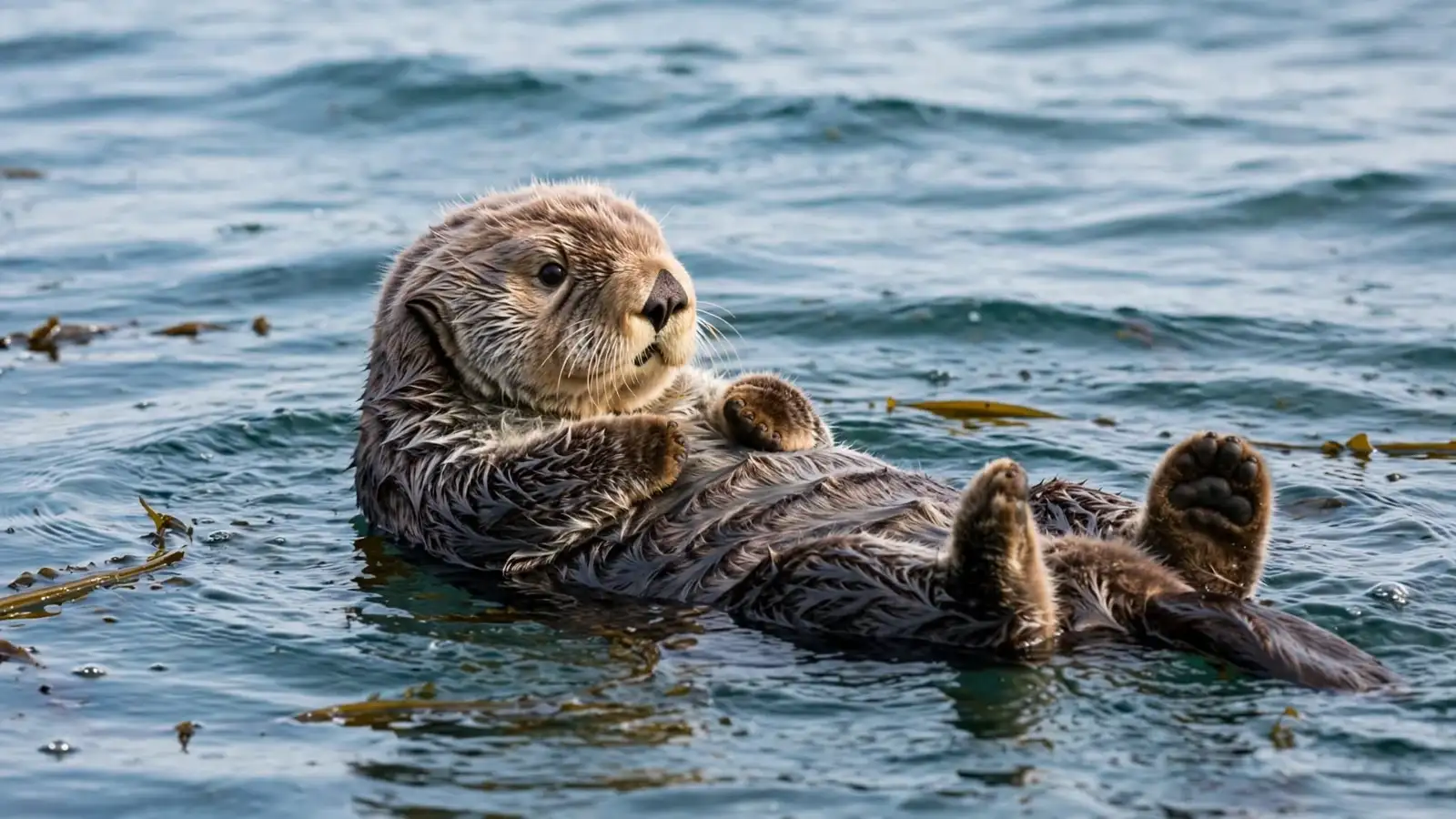
These habitats provide shelter and feeding areas for fish, crabs, sea stars, marine snails and many other organisms. Larger animals also visit kelp forests to hunt or find protection.
Kelp forests contribute to coastal ecosystems by supporting food webs, providing habitat and absorbing carbon as kelp grows. However, their survival depends on suitable environmental conditions, including water temperature, nutrient availability and the number of animals feeding on the kelp.
One of their most important ecological roles is controlling sea urchin populations. Sea urchins graze on kelp, feeding on its holdfasts, stems and other tissues. When their numbers become too high, they can consume kelp faster than it can grow.
Sea otters prey on these sea urchins, helping limit the pressure they place on underwater vegetation. This relationship can make it easier for kelp forests to grow and recover.
However, the effect varies by location. Sea otters do not control every threat to kelp, and their presence alone cannot guarantee a healthy forest.
The process works in a relatively simple way:
The strength of this effect depends on local conditions, including other predators, ocean temperatures and the availability of alternative food sources.
Small fish may use the vegetation as shelter, while invertebrates live on kelp surfaces or among the rocks below. Larger fish and marine mammals can also benefit from the animals supported by these habitats.
When kelp disappears, these interconnected relationships can be disrupted. Species that depend on the forest may lose feeding areas or protection, while the wider food web can change.
By helping to limit excessive sea urchin grazing, sea otters can indirectly support the many species that depend on kelp forests.
Oil spills are particularly dangerous because sea otters rely on their dense fur to trap air and maintain insulation. If the fur loses its insulating properties, the animals can struggle to maintain body temperature.
Changes in coastal ecosystems can also affect the availability of prey. In some places, predators such as killer whales have influenced sea otter populations, while human activity can create additional pressures.
Protecting sea otters therefore involves more than conserving one species. It also requires maintaining healthy coastal waters, reducing pollution and managing human activities that threaten marine habitats.
Marine heatwaves can damage kelp by altering water temperatures and nutrient conditions. Storms, pollution and changes in ocean chemistry can also influence the growth and distribution of kelp species.
In areas where environmental conditions remain suitable, sea otters may help kelp forests withstand some pressures by limiting sea urchin grazing. However, extremely warm waters or prolonged environmental stress can still cause kelp declines.
Conservation efforts therefore need to consider the entire ecosystem, including sea otters, kelp, other marine species and the physical conditions of the ocean.
Sea otters play an important role in maintaining some kelp forest ecosystems by feeding on sea urchins and helping prevent excessive grazing. Their influence can extend through the food web, supporting habitats used by fish, invertebrates and other marine animals. This relationship demonstrates how one predator can affect an entire ecosystem. Protecting sea otters, reducing pollution and conserving coastal habitats can all contribute to healthier marine environments, although kelp forests also need suitable ocean conditions to thrive.
What Are Kelp Forest Ecosystems?
Kelp forests are underwater habitats formed by large brown seaweeds known as kelp. They usually grow in cool, nutrient-rich coastal waters where sunlight reaches the seabed. Some kelp species grow rapidly under suitable conditions, creating dense underwater structures that resemble forests on land.These habitats provide shelter and feeding areas for fish, crabs, sea stars, marine snails and many other organisms. Larger animals also visit kelp forests to hunt or find protection.
Kelp forests contribute to coastal ecosystems by supporting food webs, providing habitat and absorbing carbon as kelp grows. However, their survival depends on suitable environmental conditions, including water temperature, nutrient availability and the number of animals feeding on the kelp.
Why Sea Otters Matter to Kelp Forests
Sea otters are marine mammals that live along parts of the North Pacific coastline. They feed on various invertebrates, including sea urchins, crabs, clams and other shellfish.One of their most important ecological roles is controlling sea urchin populations. Sea urchins graze on kelp, feeding on its holdfasts, stems and other tissues. When their numbers become too high, they can consume kelp faster than it can grow.
Sea otters prey on these sea urchins, helping limit the pressure they place on underwater vegetation. This relationship can make it easier for kelp forests to grow and recover.
However, the effect varies by location. Sea otters do not control every threat to kelp, and their presence alone cannot guarantee a healthy forest.
Understanding the Sea Otter, Sea Urchin and Kelp Relationship
The relationship between these three organisms is a well-known example of a trophic cascade. This occurs when changes in one part of a food web influence several other levels of the ecosystem.The process works in a relatively simple way:
- Sea otters feed on sea urchins.
- Predation can reduce the number of sea urchins or change their feeding behaviour.
- With less intense grazing, kelp has a better chance of surviving and growing.
- Growing kelp provides food and shelter for other marine organisms.
The strength of this effect depends on local conditions, including other predators, ocean temperatures and the availability of alternative food sources.
How Kelp Forests Support Marine Biodiversity
Healthy kelp forests offer more than a food source for sea urchins. Their leaves and stems create a complex underwater environment where marine life can hide from predators, feed and reproduce.Small fish may use the vegetation as shelter, while invertebrates live on kelp surfaces or among the rocks below. Larger fish and marine mammals can also benefit from the animals supported by these habitats.
When kelp disappears, these interconnected relationships can be disrupted. Species that depend on the forest may lose feeding areas or protection, while the wider food web can change.
By helping to limit excessive sea urchin grazing, sea otters can indirectly support the many species that depend on kelp forests.
Why Sea Otter Populations Need Protection
Sea otters have faced several threats over time, including commercial hunting for their fur, entanglement in fishing equipment, oil spills, disease and other environmental pressures. Although protections have allowed some populations to recover, their status and population trends differ across regions.Oil spills are particularly dangerous because sea otters rely on their dense fur to trap air and maintain insulation. If the fur loses its insulating properties, the animals can struggle to maintain body temperature.
Changes in coastal ecosystems can also affect the availability of prey. In some places, predators such as killer whales have influenced sea otter populations, while human activity can create additional pressures.
Protecting sea otters therefore involves more than conserving one species. It also requires maintaining healthy coastal waters, reducing pollution and managing human activities that threaten marine habitats.
Can Sea Otters Help Kelp Forests Cope With Climate Change?
Sea otters can support kelp forests by reducing grazing pressure, but climate change creates challenges that predator-prey relationships cannot solve on their own.Marine heatwaves can damage kelp by altering water temperatures and nutrient conditions. Storms, pollution and changes in ocean chemistry can also influence the growth and distribution of kelp species.
In areas where environmental conditions remain suitable, sea otters may help kelp forests withstand some pressures by limiting sea urchin grazing. However, extremely warm waters or prolonged environmental stress can still cause kelp declines.
Conservation efforts therefore need to consider the entire ecosystem, including sea otters, kelp, other marine species and the physical conditions of the ocean.
Sea otters play an important role in maintaining some kelp forest ecosystems by feeding on sea urchins and helping prevent excessive grazing. Their influence can extend through the food web, supporting habitats used by fish, invertebrates and other marine animals. This relationship demonstrates how one predator can affect an entire ecosystem. Protecting sea otters, reducing pollution and conserving coastal habitats can all contribute to healthier marine environments, although kelp forests also need suitable ocean conditions to thrive.
Next Story