
How Seniors Can Boost Digestion Naturally With Simple Food And Lifestyle Habits

Digestive habits can change with age, and some seniors may experience issues such as constipation, bloating or a feeling of fullness more often. Reduced physical activity, changes in appetite, certain medicines and lower fluid intake can all affect regular bowel habits. The good news is that small lifestyle changes can support digestion without requiring complicated routines. According to nutrition experts, a balanced diet, sufficient fluids and regular movement are important parts of senior digestive health . However, sudden or persistent digestive problems should not simply be attributed to ageing and may require medical attention.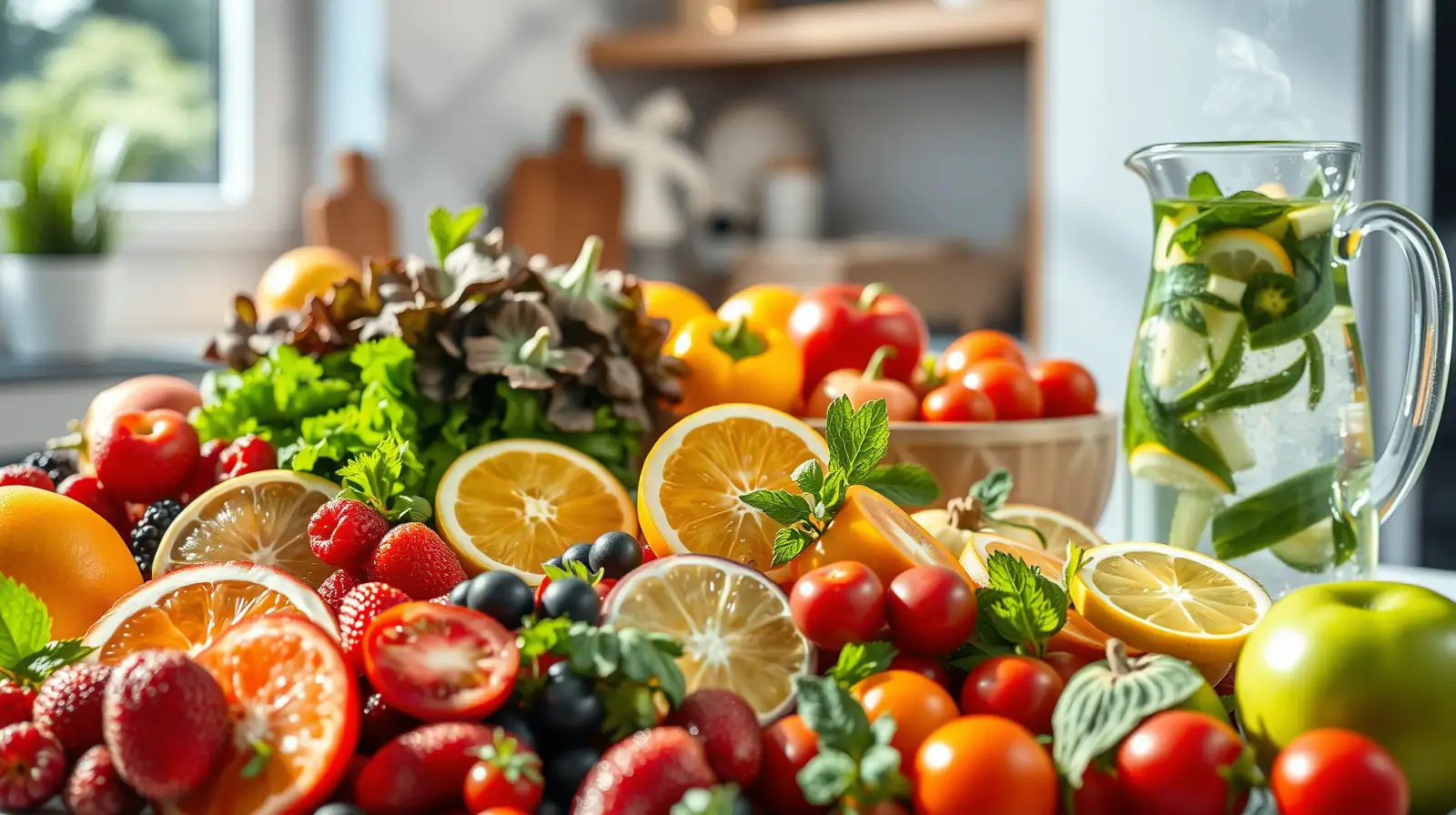
Increasing fibre suddenly can cause gas or bloating, so it is generally better to introduce fibre-rich foods gradually. Including vegetables with lunch and dinner, choosing whole grains more often and adding fruit to breakfast can make the change easier.
Some older adults may not feel thirsty as often as they once did, so having fluids at regular intervals can help maintain hydration.
Cooked vegetables, dal, khichdi, curd, oats and soft fruits can be practical options depending on individual dietary needs. Spicy, very oily or heavily processed foods may be worth limiting if they consistently trigger discomfort.
Even short periods of movement can be easier to sustain than an intensive exercise schedule.
If constipation, unexplained weight loss, persistent abdominal pain, vomiting, blood in the stool or a sudden change in bowel habits occurs, seniors should seek medical advice rather than relying only on home remedies. A healthy routine can support digestion, but persistent symptoms need proper evaluation.
Add More Fibre Gradually
Fibre is important for maintaining regular bowel movements. Seniors can get it from foods such as oats, whole grains, vegetables, fruits, beans, lentils and other pulses.Increasing fibre suddenly can cause gas or bloating, so it is generally better to introduce fibre-rich foods gradually. Including vegetables with lunch and dinner, choosing whole grains more often and adding fruit to breakfast can make the change easier.
Stay Hydrated Throughout The Day
Drinking enough fluid can support softer stools and regular bowel movements, particularly when dietary fibre intake increases. Water is a simple choice, while soups, buttermilk and other suitable fluids can also contribute to daily intake.Some older adults may not feel thirsty as often as they once did, so having fluids at regular intervals can help maintain hydration.
Choose Foods That Are Easy To Digest
Large, heavy meals may feel uncomfortable for some seniors. Smaller, balanced meals spread throughout the day can be easier to manage.Cooked vegetables, dal, khichdi, curd, oats and soft fruits can be practical options depending on individual dietary needs. Spicy, very oily or heavily processed foods may be worth limiting if they consistently trigger discomfort.
Keep Moving Every Day
Gentle physical activity can be useful for digestion as well as overall health. Walking after meals, light stretching or other age-appropriate activities can help seniors stay active and maintain regular routines.Even short periods of movement can be easier to sustain than an intensive exercise schedule.
Maintain A Regular Routine
Eating meals at roughly consistent times and allowing enough time to eat slowly can encourage a predictable daily routine. Chewing food thoroughly and avoiding rushed meals may also make eating more comfortable.If constipation, unexplained weight loss, persistent abdominal pain, vomiting, blood in the stool or a sudden change in bowel habits occurs, seniors should seek medical advice rather than relying only on home remedies. A healthy routine can support digestion, but persistent symptoms need proper evaluation.
Next Story